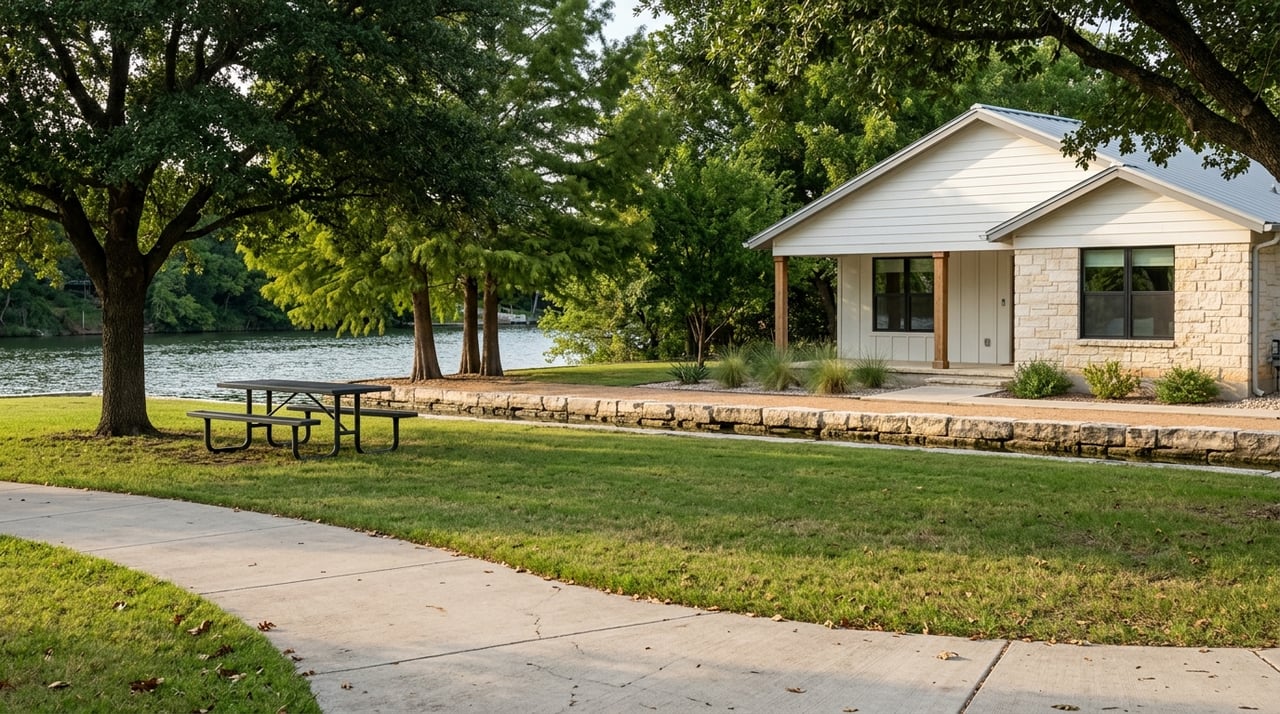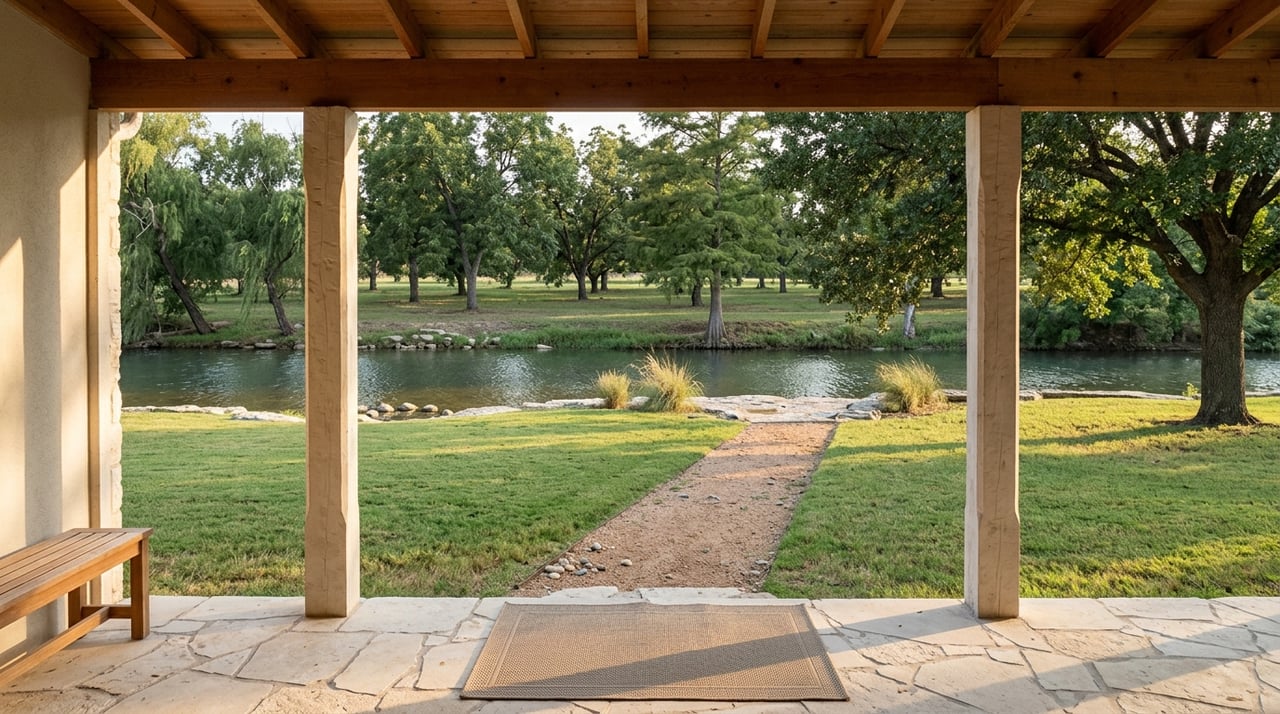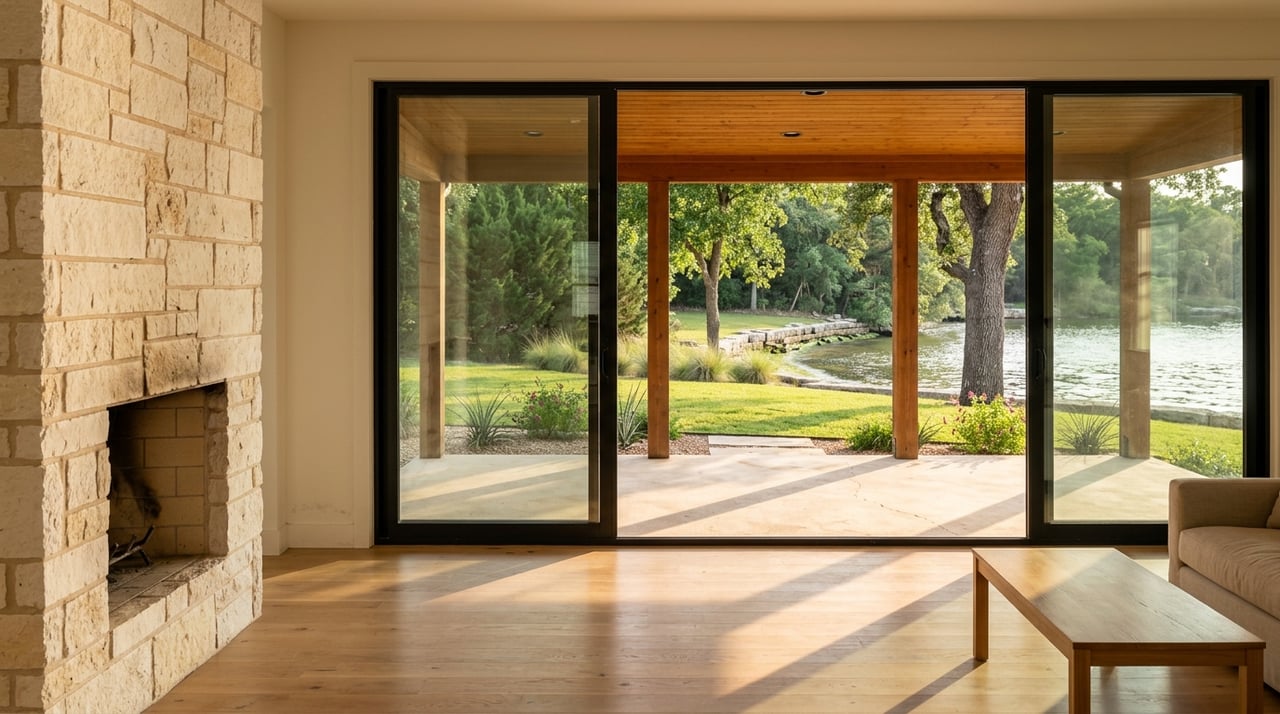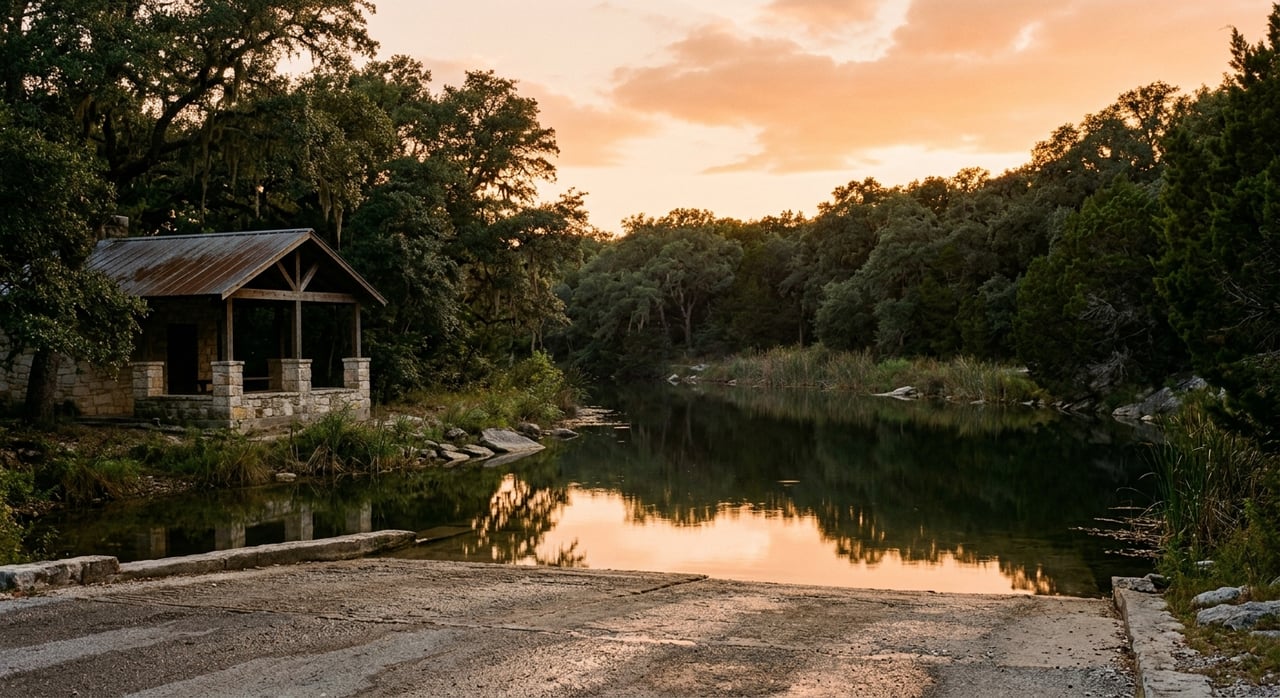
Dreaming of a Hill Country retreat where you can glass for whitetail at sunrise and cast a line by afternoon? If San Saba is on your radar, you’re looking in the right part of Texas for river‑corridor beauty, large acreage, and classic ranch country. Still, not all tracts are equal. The right due diligence can protect your budget and set you up for years of reliable access, water, and wildlife.
This guide breaks down what drives value around San Saba and gives you a clear checklist for access, water, habitat, fencing, taxes, and mineral rights. You’ll walk away knowing how to read listings, what to verify, and who to call. Let’s dive in.
Why buy around San Saba
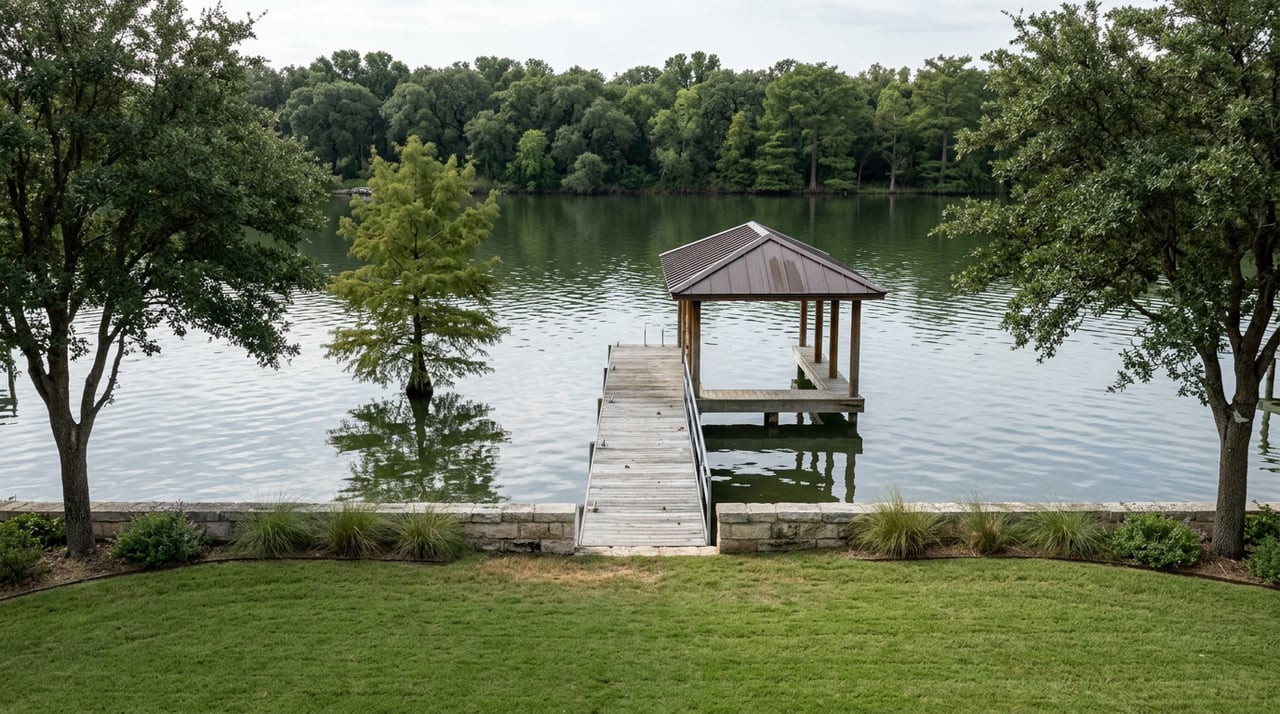
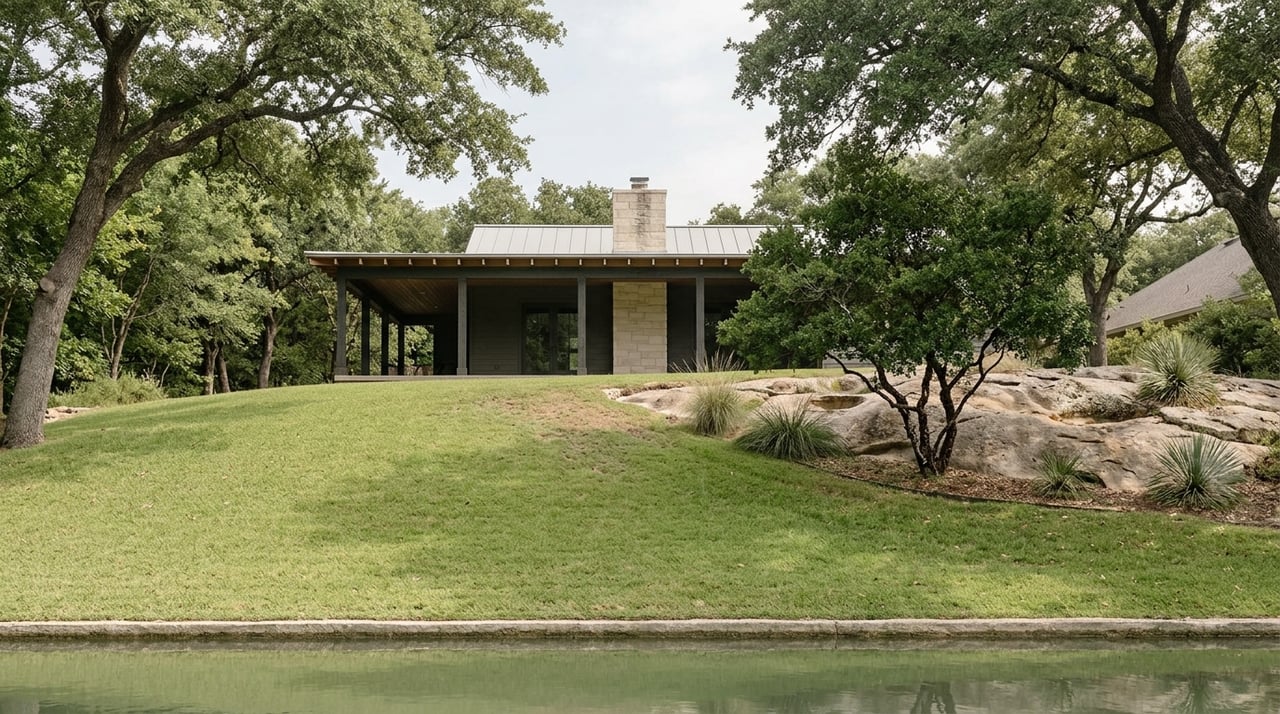
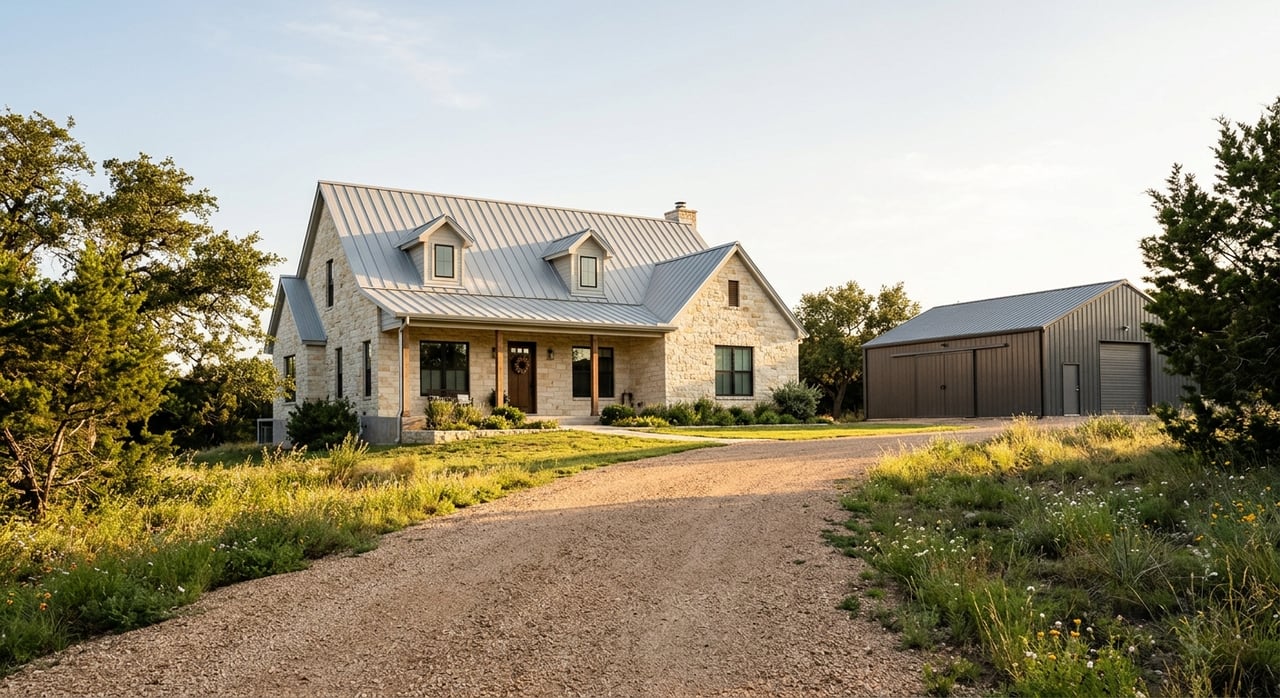
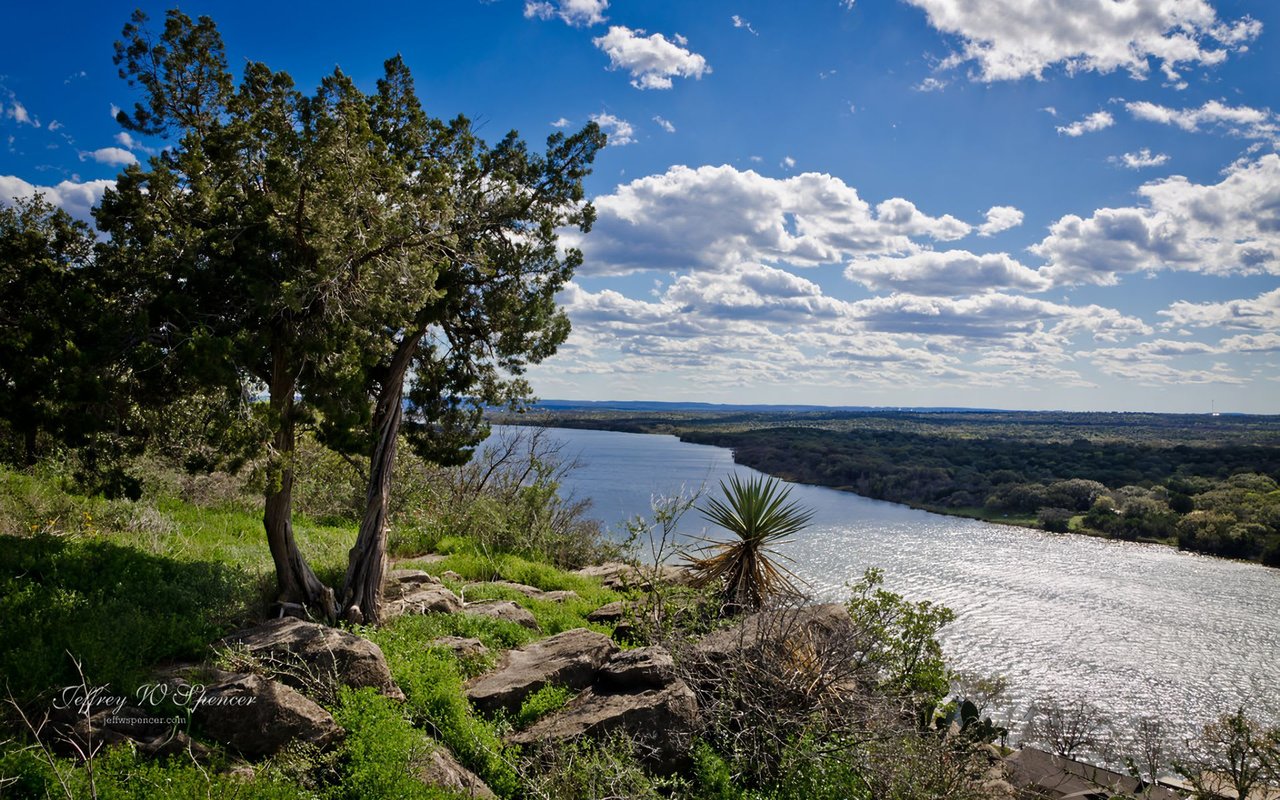
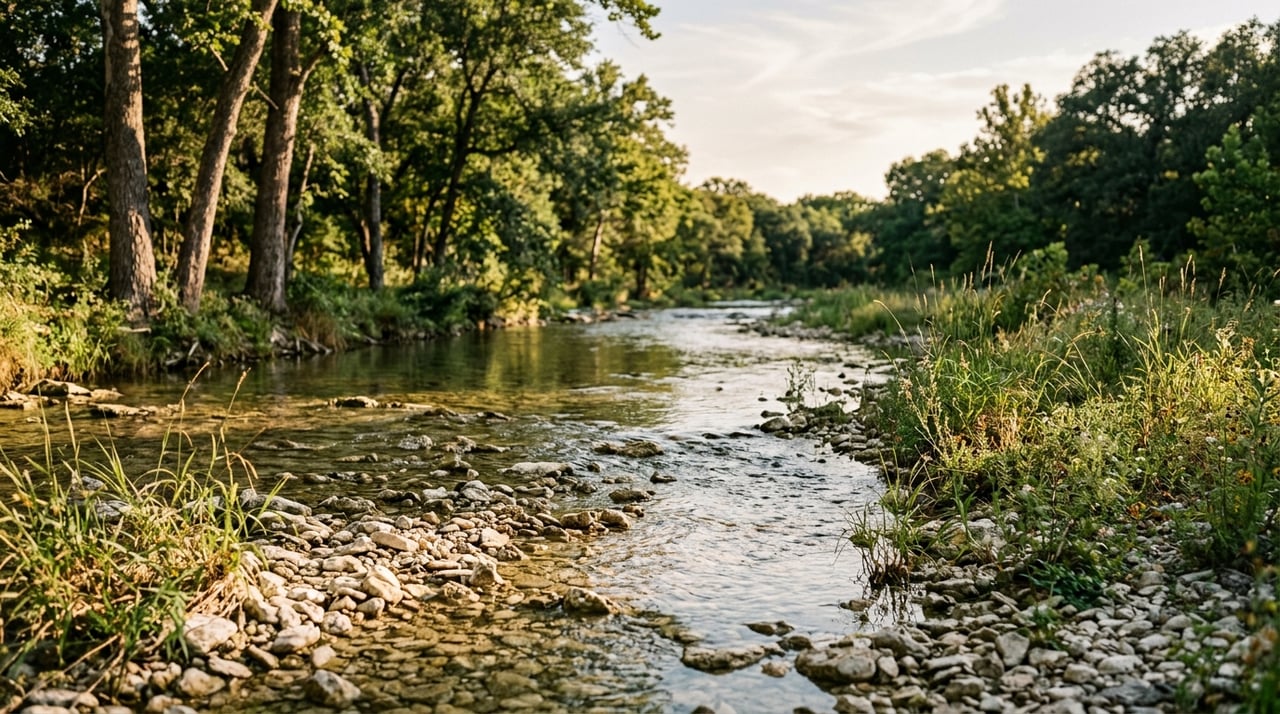
San Saba County offers a mix of working ranchland and scenic river corridors along the San Saba and Colorado systems. You’ll find oak‑studded uplands, riparian hardwoods, and spring‑influenced draws that support whitetail, turkey, and dove. Riverfront and spring‑fed parcels tend to carry a premium thanks to recreation potential and dependable wildlife use.
If you want room to roam, many tracts here skew larger than typical residential acreage in the nearby Highland Lakes. That means more options for hunting setups, cattle, or future improvements.
What drives price in this market
San Saba ranch and hunting land values vary widely. Asking prices on listing portals can skew high, especially when a few trophy or heavily improved ranches are on the market. Use portals for a snapshot, but treat them as asking‑price signals rather than sold comps. For example, you can scan active inventory on platforms like Land.com’s San Saba County page, then pair that with regional trend context from state sources like Texas AgriLife’s land‑value summary.
Key price drivers to weigh:
- Water features. River frontage, reliable springs, and well performance often top the list for premiums. Regional hydrology and base flows influence recreation value. The San Saba is a spring‑fed Hill Country stream, and flows can vary with season and drought. Historic notes from the Texas Water Development Board help explain why water can be a defining feature for value. See the TWDB’s basin report for context on environmental flows and tributaries in this corridor (TWDB environmental flows overview).
- Habitat and wildlife management. Documented wildlife practices, food plots, water stations, and enrollment in TPWD programs can add value for hunters.
- Access and road quality. Deeded access on a solid road keeps your options open for financing, insurance, and day‑to‑day use. Narrow easements or permissional routes can limit your buyer pool later.
- Improvements and infrastructure. Functional barns, pens, wells, power, and interior roads matter. So does fence condition.
- Mineral and pipeline encumbrances. A severed mineral estate or active lease can change surface use and value. Always verify before you fall in love with a view.
- Location context. San Saba land usually trades as ranch or recreational acreage, not lake‑oriented residential property. Smaller tracts closer to Highland Lakes communities often price differently due to lake access and commuter demand.
Verify access first
If you do one thing before making an offer, confirm legal and practical access. It affects enjoyment, financing, and insurance.
Deeded access vs easements
- Deeded public road frontage is the cleanest form of access.
- Recorded easements can work well, but you need to confirm width, vehicle suitability, gates, and maintenance obligations.
- Avoid depending on handshake access. In Texas, permissive access does not ripen into a prescriptive easement. Prescriptive rights hinge on open, notorious, adverse, and continuous use for a statutory period often discussed as 10 years in appellate cases. If a route depends on long‑standing permission, get it documented in writing. For background on prescriptive principles, see this court summary (Texas prescriptive easement discussion).
Surveys and road agreements
- Order a current, field‑verified metes‑and‑bounds survey. Fence lines do not always match the legal boundary.
- Ask for any recorded ingress‑egress and road‑maintenance agreements. Clarify who pays for grading, repairs, or shared gates.
- Walk or drive the route in different weather. A good two‑track on a sunny day can be a problem after heavy rain.
Know your water
In San Saba, water is both a lifestyle feature and a value driver. Check surface water, groundwater, and regulatory layers before you buy.
River frontage and surface‑water rights
- Texas regulates the diversion and storage of state surface water. Domestic and livestock use is often exempt, but larger diversions, impoundments, or commercial uses may require authorization.
- If the parcel includes river or creek frontage, search state records for existing appropriations or permits tied to that tract. The Texas Commission on Environmental Quality explains the application and permitting framework on its surface‑water rights page.
- Spring‑fed systems like the San Saba can run low during drought. Review hydrology notes and historic gage context for the river corridor in the TWDB’s basin materials (TWDB environmental flows overview).
- For building near the river or creeks, review FEMA flood maps and consider flood insurance requirements.
Groundwater, wells, and local rules
- Texas follows the rule of capture for groundwater, but local Groundwater Conservation Districts can impose well‑spacing, permitting, and production limits.
- Identify whether your tract lies within a district and learn the current rules, permits, and any drought stages. Start with the Central Texas Groundwater Conservation District’s resources on regional planning and monitoring.
- Ask the seller for well logs, pump tests, and water quality history. If you plan to build, consider a fresh pump test as a contract contingency.
Habitat and hunting value
San Saba’s habitat mix of live oak, post oak, blackjack, Ashe juniper, and riparian hardwoods supports quality whitetail and upland hunting. When you tour a ranch, focus on cover, water, and food.
Whitetail essentials to evaluate
- Cover and edge. Look for a balanced brush‑to‑opening ratio, with bedding cover near reliable water and food sources.
- Food and water. Check for mast‑producing oaks and pecans, existing plots, and year‑round water stations or springs.
- Compatible grazing. Make sure stocking rates and cross‑fencing support your wildlife goals.
- Records. Ask for past harvest data, spotlight counts, or trail‑camera logs. If the property participates in TPWD programs, request supporting documentation.
TPWD programs and MLDP
Many landowners use the Managed Lands Deer Program to support selective harvests and habitat work. Enrollment and a documented management plan can be attractive to buyers who want structured hunting and data‑driven goals. Learn more on the TPWD deer permits and MLDP page.
Wildlife valuation and property taxes
Texas open‑space appraisal, often called 1‑d‑1 or agricultural valuation, can include wildlife management uses if you meet state and county requirements. In San Saba County, the Central Appraisal District outlines local rules and deadlines, including an April 30 application date and the need to document qualifying practices. Review the county’s guidance on agricultural and wildlife valuation.
A quick reminder on terms: productivity values used for tax calculations are not the same as market value. The Texas Comptroller provides context on how counties set productivity values and why those numbers do not reflect sale prices. See the Comptroller’s appraisal and productivity reference.
Fencing and improvements
Fencing tells you a lot about how a ranch has been used and what it will take to meet your goals.
Perimeter and cross‑fencing
- “Fully fenced” can mean different things. Inspect corners, water gaps, and gates, and ask for any fence surveys or recent photos.
- If cattle are part of your plan, check wire type, brace condition, and whether cross‑fencing supports rotation.
- For deer‑focused buyers, standard livestock fences are often fine. If you need exclosures or high‑fence areas, get cost estimates and confirm any local permitting before you negotiate price.
Working infrastructure
- Confirm presence and condition of barns, pens, power, and interior roads.
- Ask for well details, pump specs, and any backup water systems.
- Note where food plots, blinds, and feeders sit in relation to prevailing winds and access roads.
Minerals, leases, and surface use
Mineral rights in Texas can be severed from the surface. That means a mineral owner or lessee may have rights to reasonable surface use, subject to accommodation and surface‑damage laws. Do not assume minerals are included with a surface sale.
How to check mineral status
- Order a title commitment that clearly lists mineral reservations and exceptions.
- Ask for copies of any oil and gas leases, pooling agreements, division orders, and pipeline easements.
- Review public oil and gas records for activity near or on the tract. For a practical jumping‑off point to the Railroad Commission’s permit and well data, see this overview link to RRC resources (RRC activity reference).
Negotiating surface protections
- Ask the seller to convey any owned minerals, or negotiate price if minerals are reserved.
- Request warranties regarding outstanding leases when appropriate, and consider separate surface‑use agreements if mineral activity is possible.
- Remember, Texas law treats the mineral estate as dominant, but the accommodation doctrine can limit surface impacts when reasonable alternatives exist. Texas AgriLife covers how these principles work in practice for subsurface estates and surface owners.
Due‑diligence checklist for San Saba buyers
Use this list to keep your deal on track:
Access and survey
- Current metes‑and‑bounds survey with pins verified in the field
- Recorded access instruments and any road‑maintenance agreements
- Explanation of gate sharing and lock changes at closing
- If permissive access is involved, convert it to a recorded easement; study prescriptive concepts in Texas case summaries like this court discussion
Water and utilities
- Well logs, pump tests, and water quality history
- Surface‑water permits or authorizations, if any, verified through TCEQ water‑rights guidance
- Local GCD rules and any drought‑stage limits via the Central Texas GCD
- Flood maps for river or creek parcels
Habitat and operations
- Harvest records, TPWD census data, and any MLDP documents from the TPWD permits page
- Fence condition notes, cross‑fence map, and any neighbor fence agreements
- Grazing plan and stocking rates if cattle are present
Title, minerals, and taxes
- Title commitment with schedules and recorded easements
- Oil and gas leases, division orders, and pipeline docs; scan RRC activity using the RRC activity reference
- Current tax bill, plus 1‑d‑1 or wildlife valuation status and deadlines from the San Saba CAD
- Understand productivity valuation versus market value using the Texas Comptroller’s guidance
Professionals to involve
- A local land broker with recent San Saba comps
- A licensed surveyor and a title company experienced in rural deals
- A landman or oil and gas attorney if minerals or leases are in play
- A TPWD biologist or private wildlife consultant for habitat plans
- Local GCD staff for well‑permitting questions
Ready for a boots‑on‑the‑ground plan?
Buying ranch or hunting land around San Saba is about matching a great piece of ground with clear access, dependable water, and a habitat plan you can sustain. With careful due diligence, you can enjoy it from season to season and protect resale value down the road.
If you want a seasoned Hill Country perspective on specific tracts, we’re here to help you compare options and avoid pitfalls. Reach out to Landmasters Real Estate to talk through your goals, line up showings, and build a smart offer strategy.
FAQs
Does river frontage in San Saba guarantee year‑round water?
- No. The San Saba is spring‑fed and flows can be seasonally low. Review hydrology context and historic gage notes to understand low‑flow patterns, as outlined in the TWDB environmental flows overview.
Can I depend on getting an ag or wildlife valuation right after I buy land in San Saba County?
- Not automatically. Qualification depends on prior use history and meeting local standards. File by April 30 and follow TPWD wildlife‑plan guidance per the San Saba CAD’s ag and wildlife valuation summary.
Do mineral rights always come with a San Saba land purchase?
- No. Mineral rights are often severed in Texas. Verify by title search and review recorded reservations and leases, and understand that mineral owners may have reasonable surface‑use rights subject to legal limits and the accommodation doctrine.