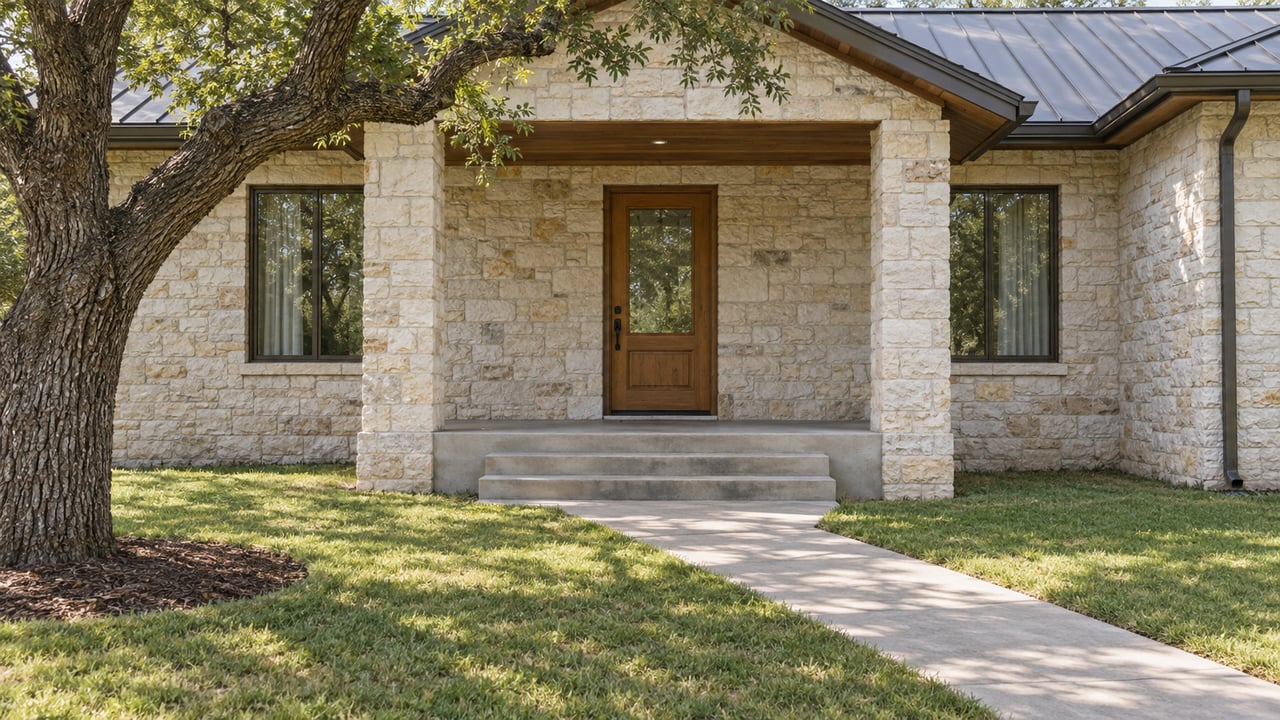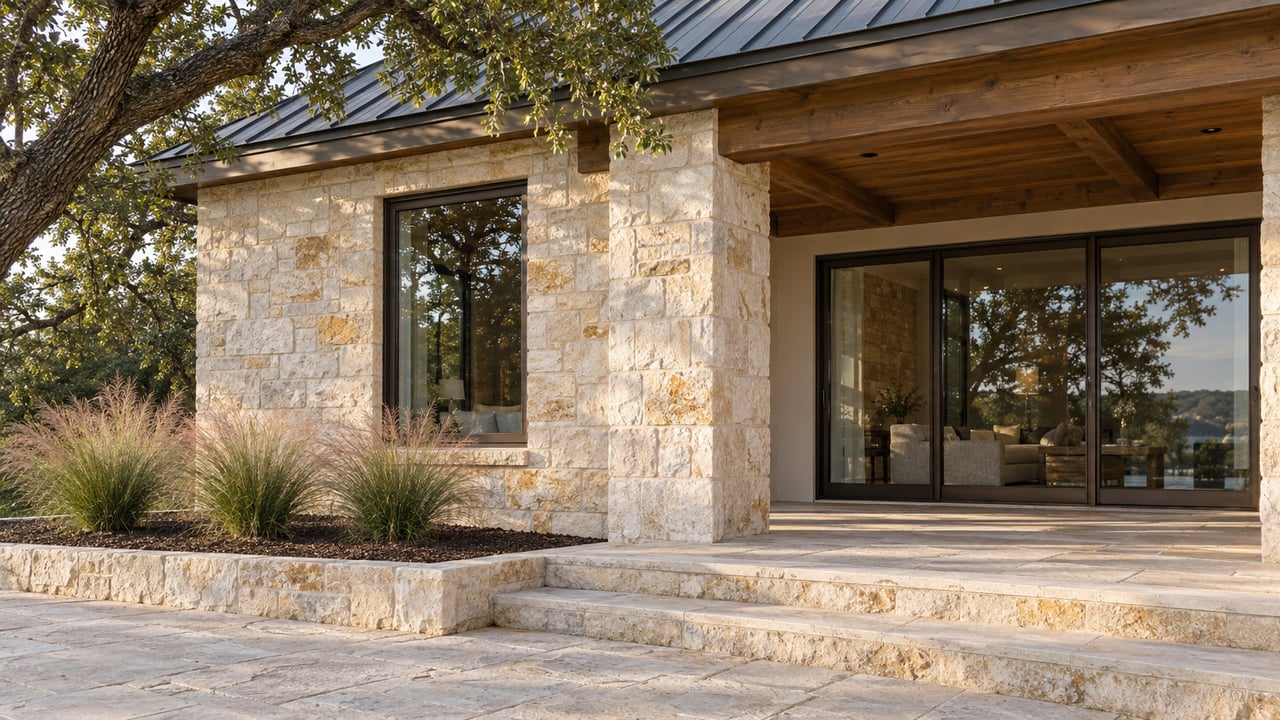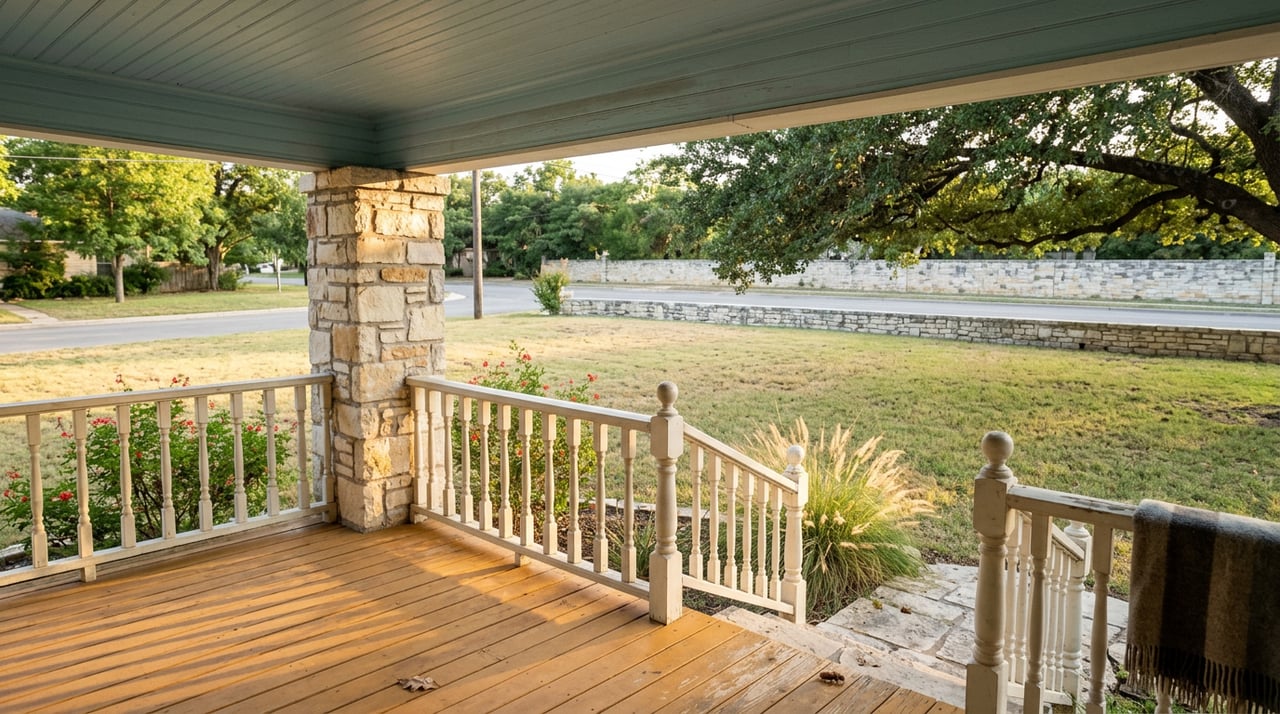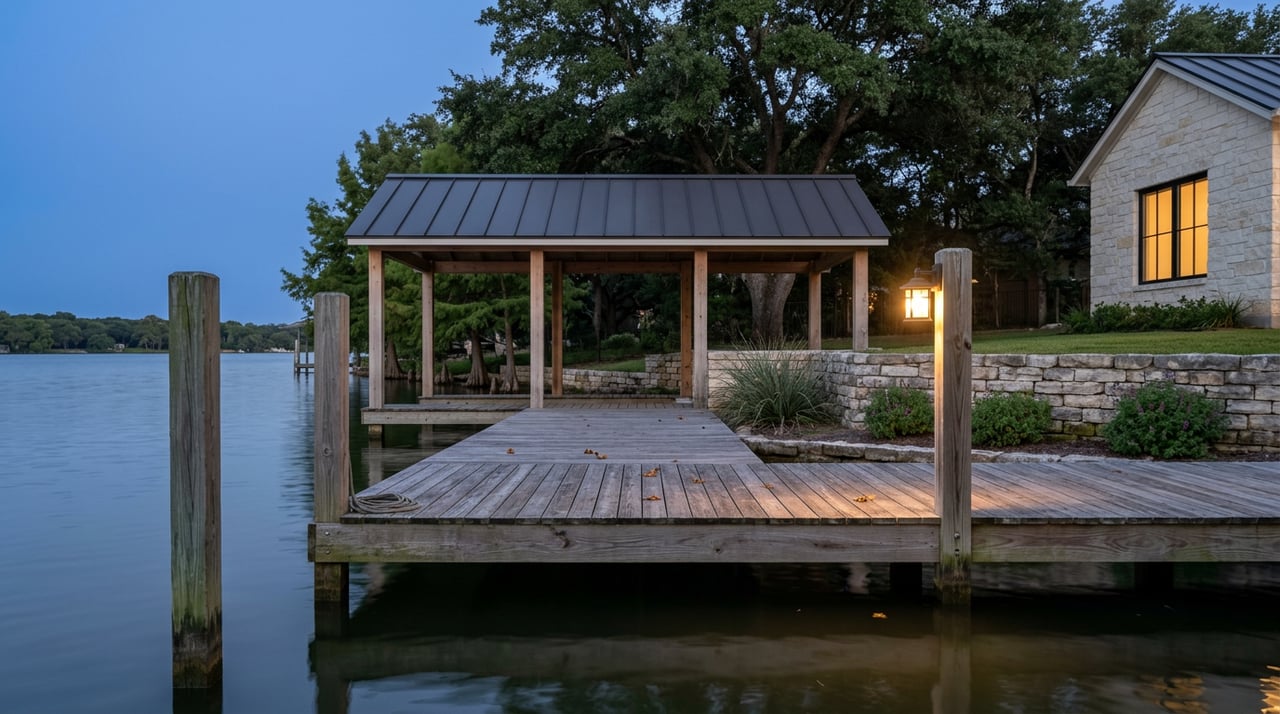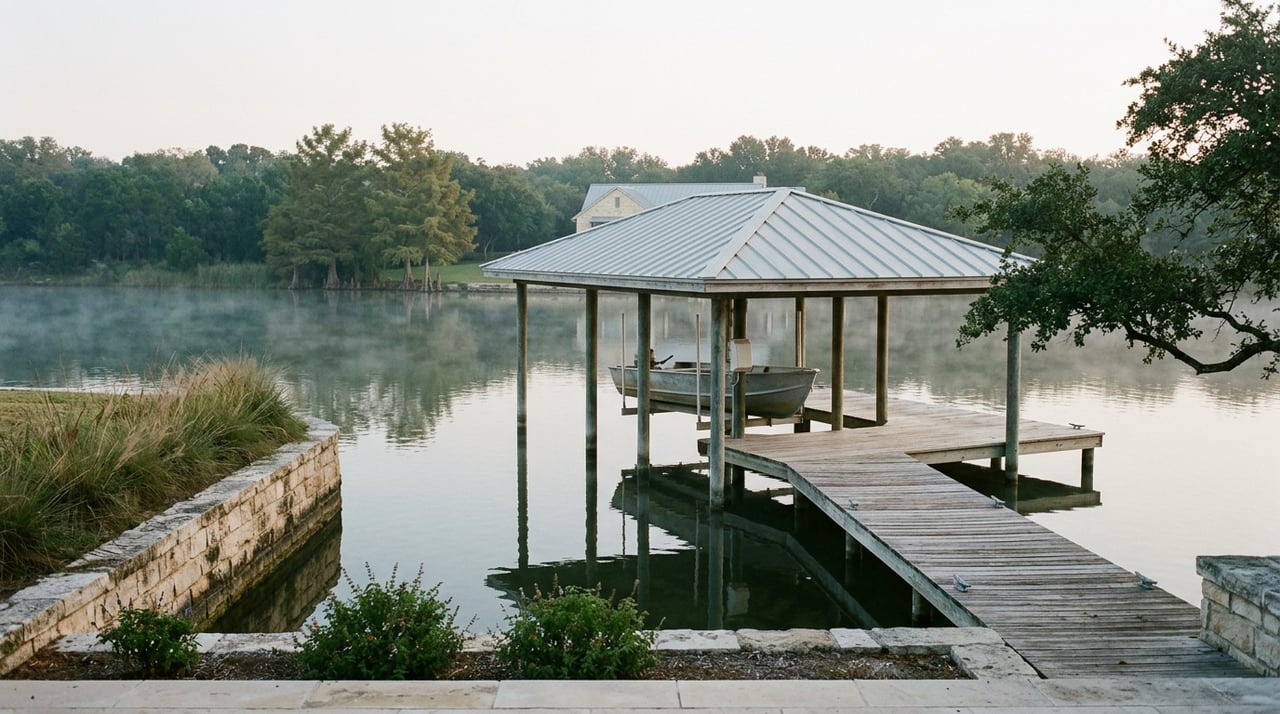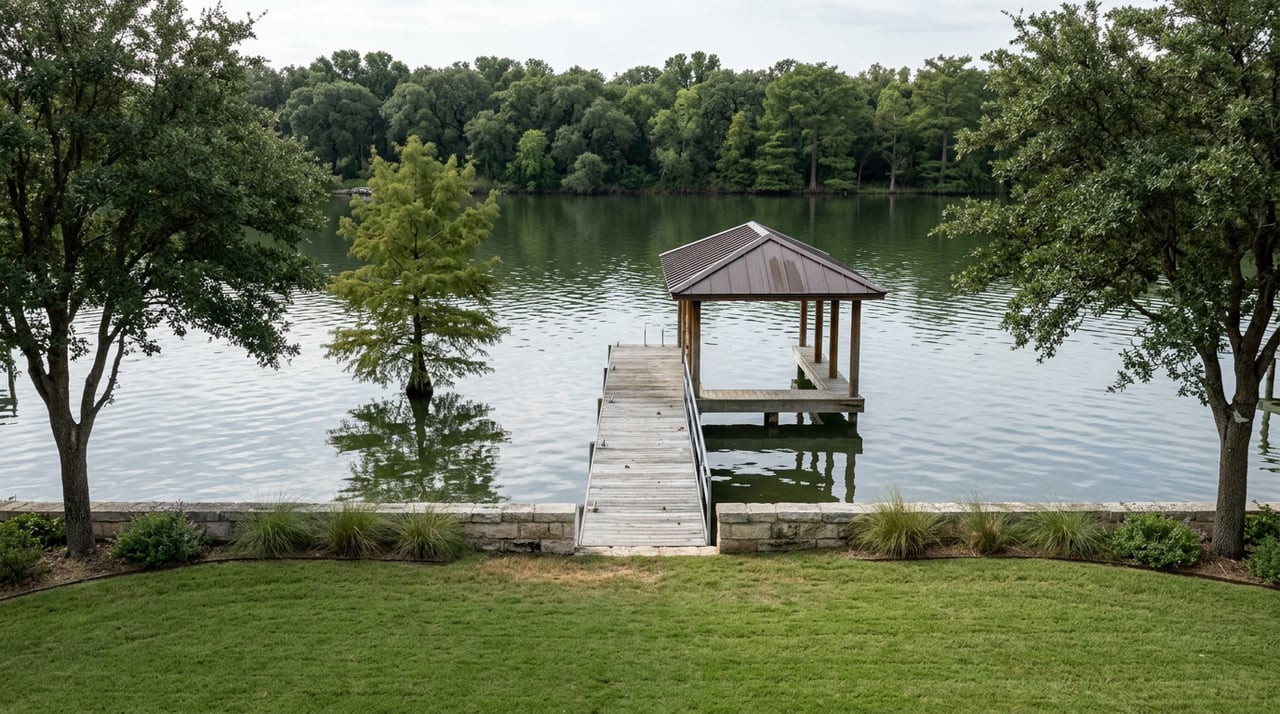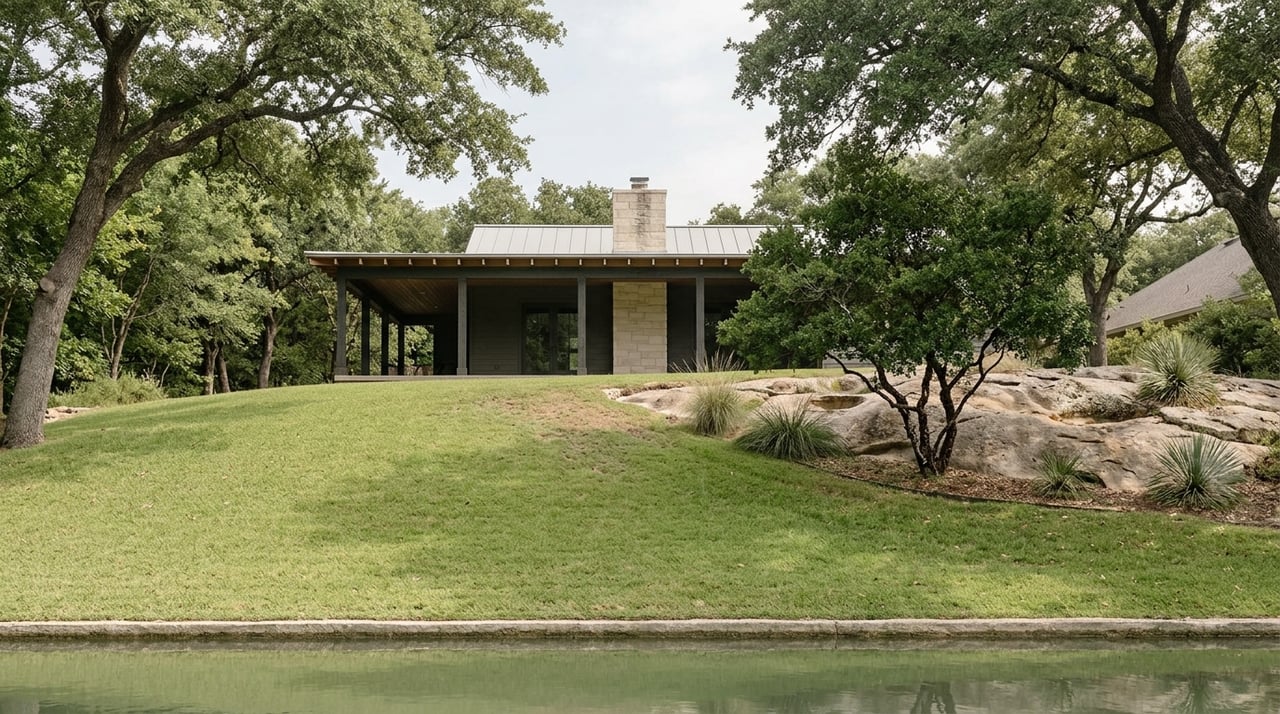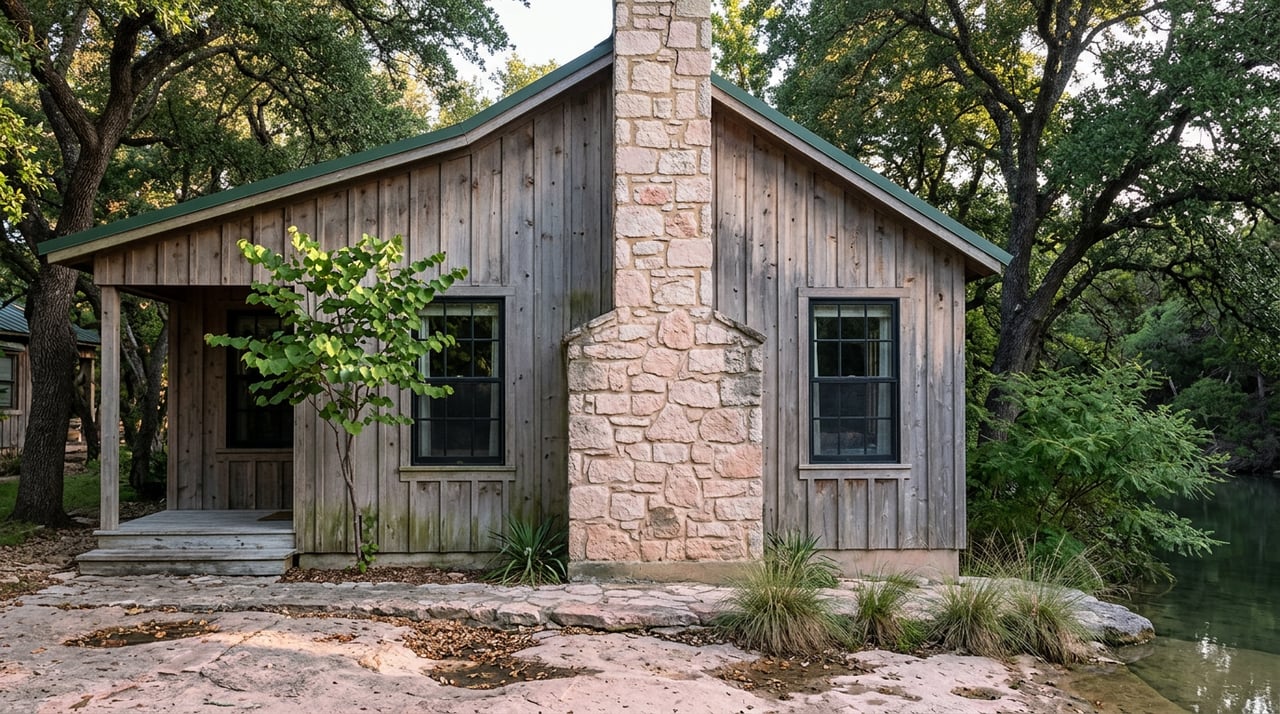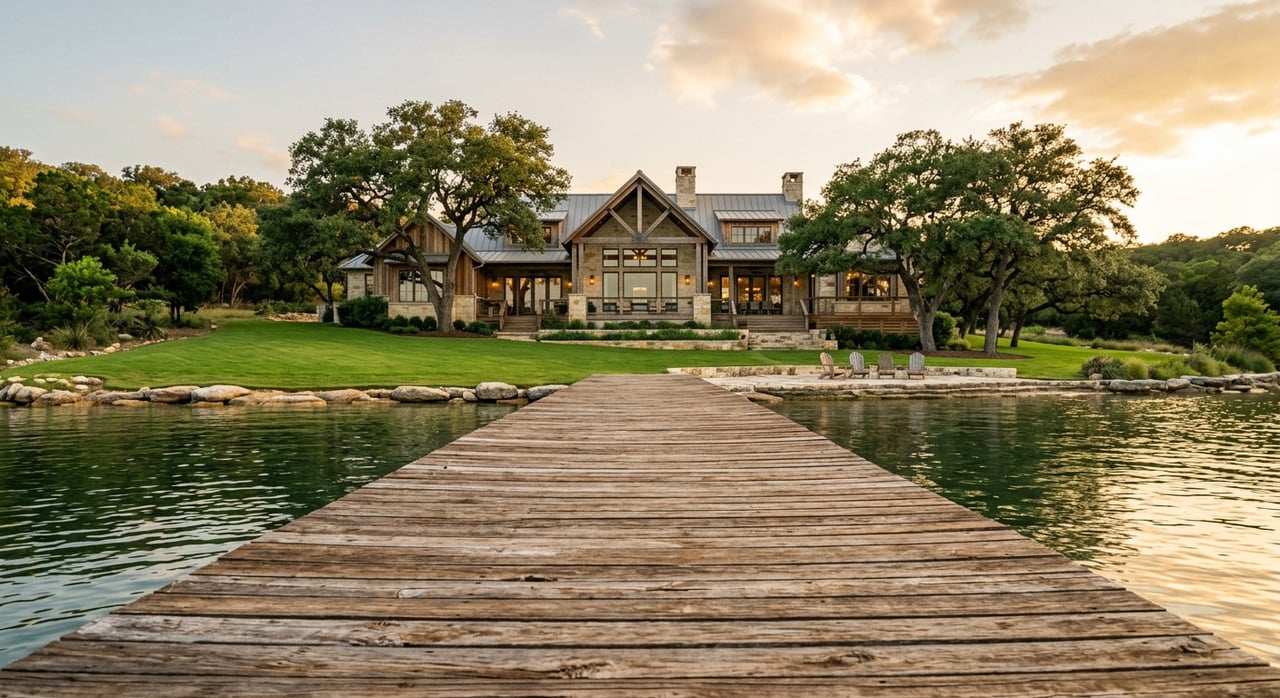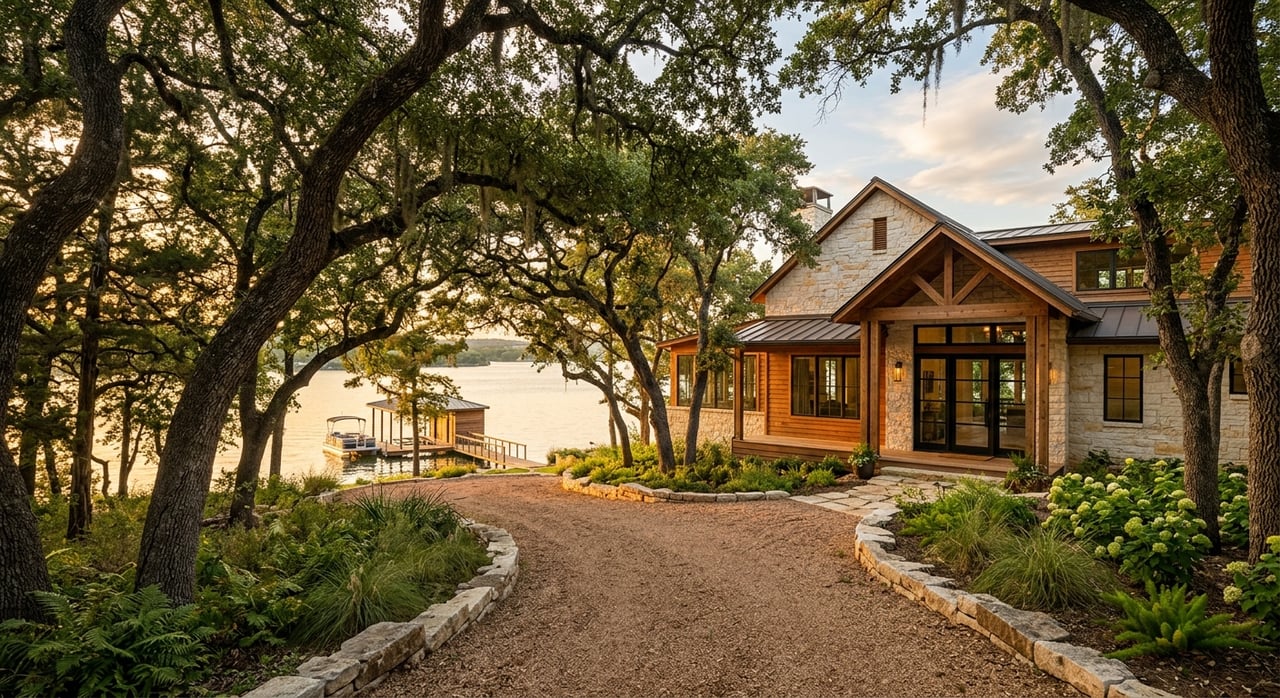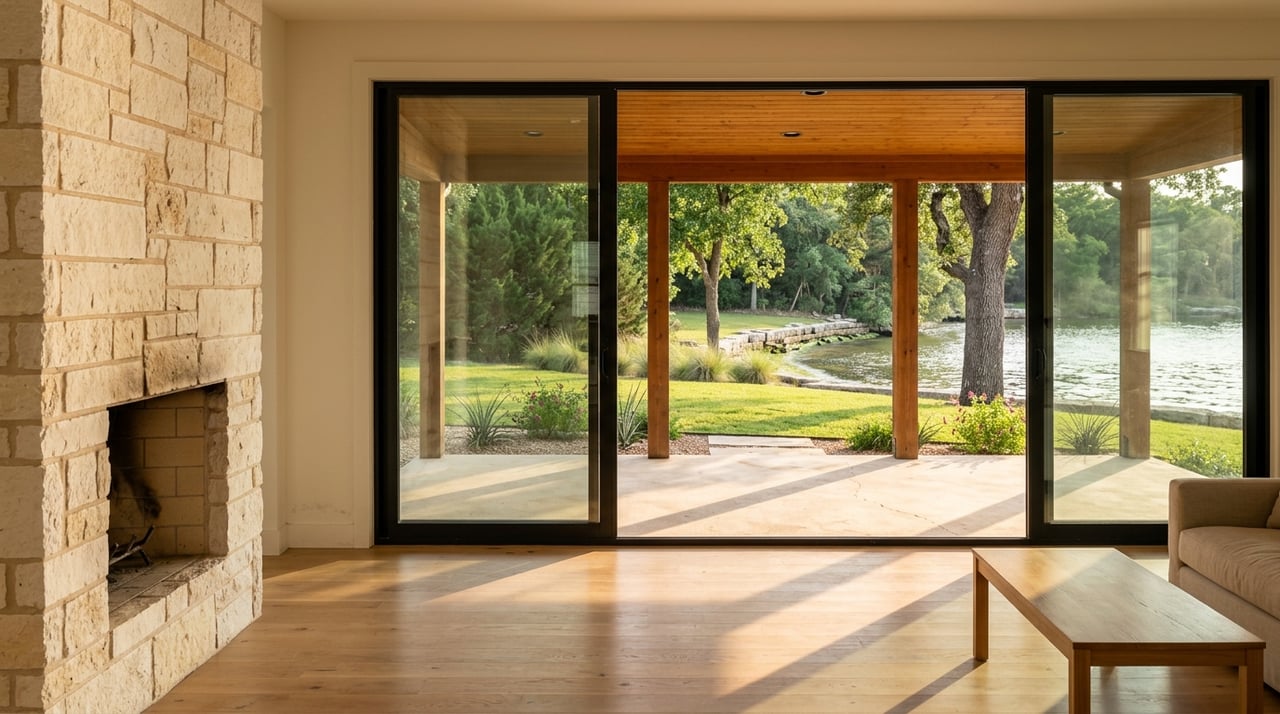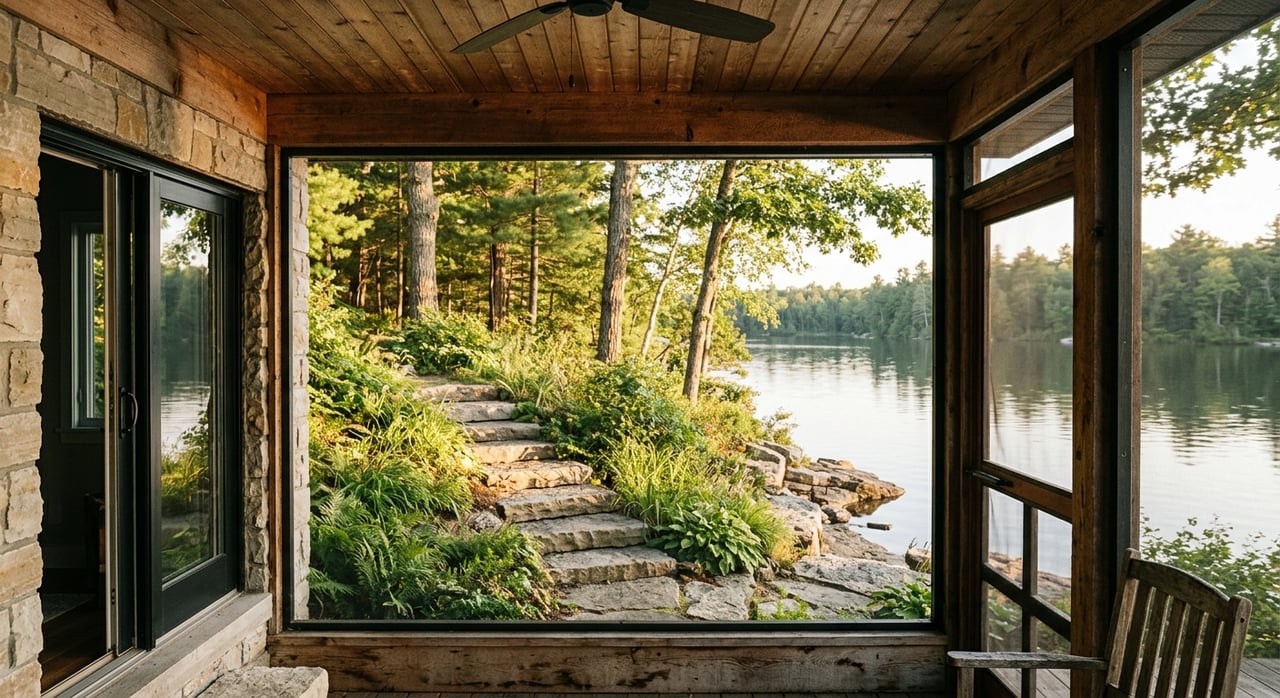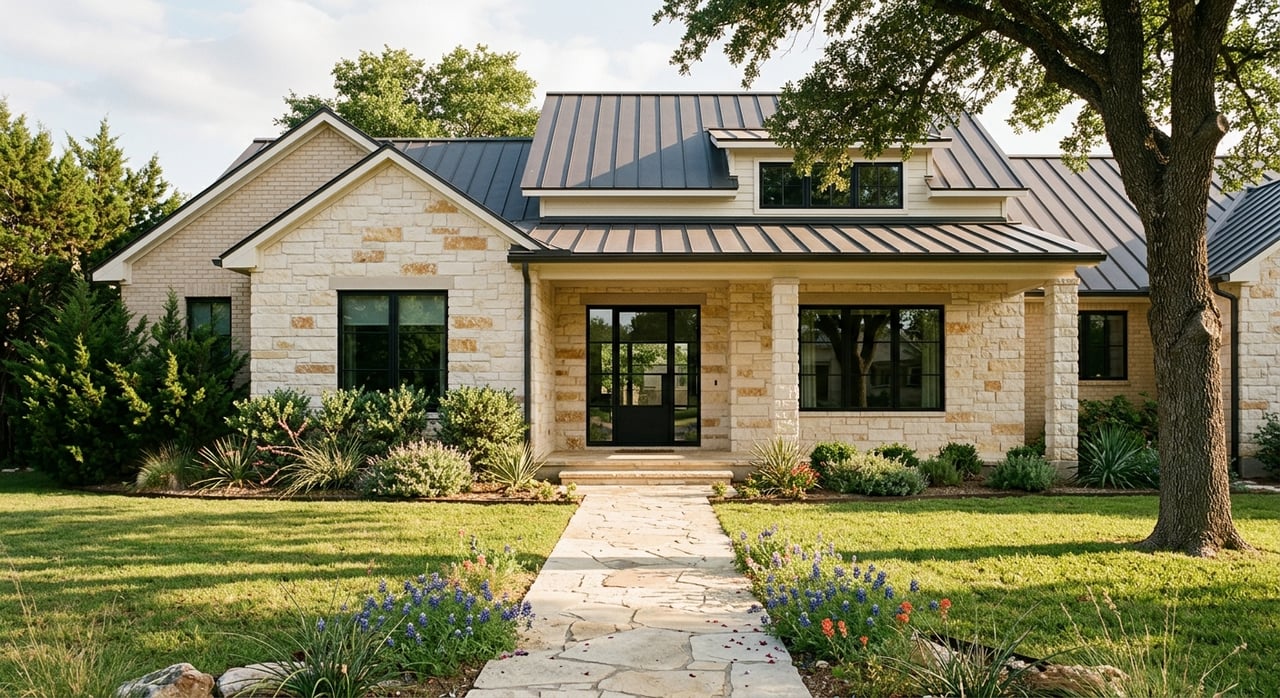
If you are looking for Lake LBJ access without giving up a quieter, residential setting, Highland Haven deserves a close look. This small Burnet County community offers a mix of waterfront homes, interior homesites, and park access that can feel simple at first glance but gets more nuanced once you dig into city rules, POA access, and lot history. This guide will help you understand how Highland Haven works, what to verify before you buy, and which details can make a real difference in day-to-day enjoyment and long-term value. Let’s dive in.
Why Highland Haven Stands Out
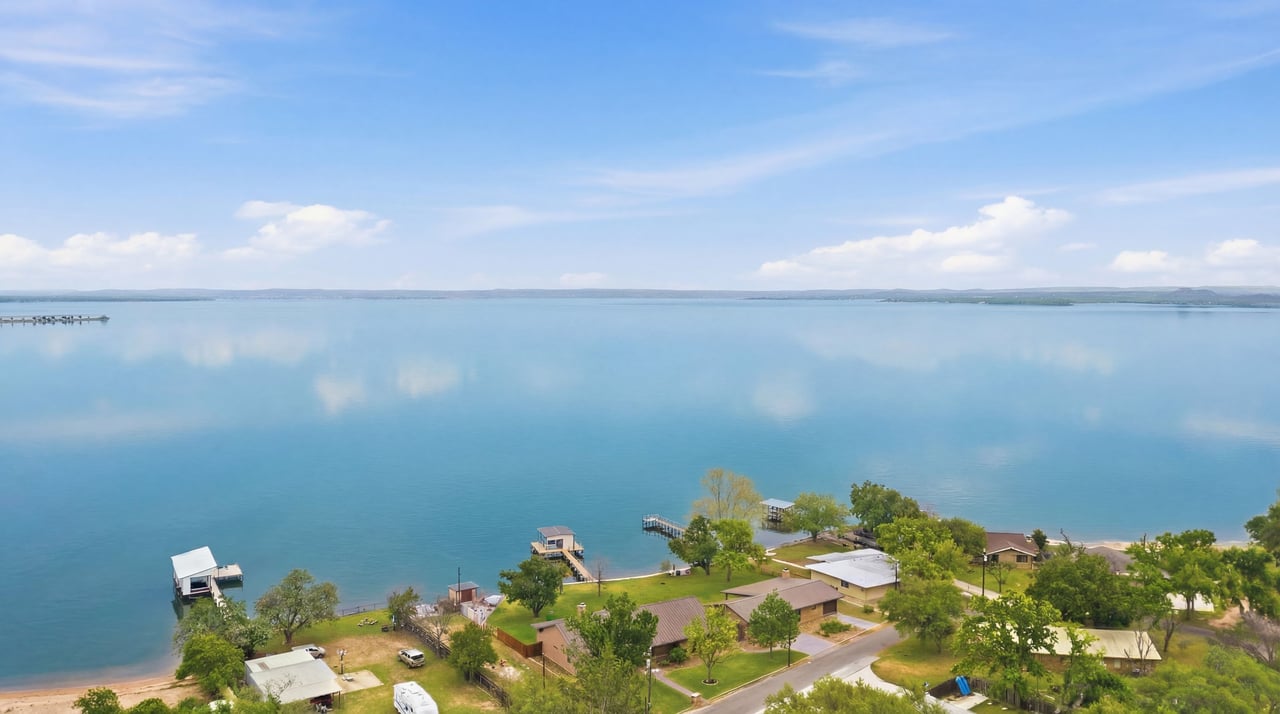
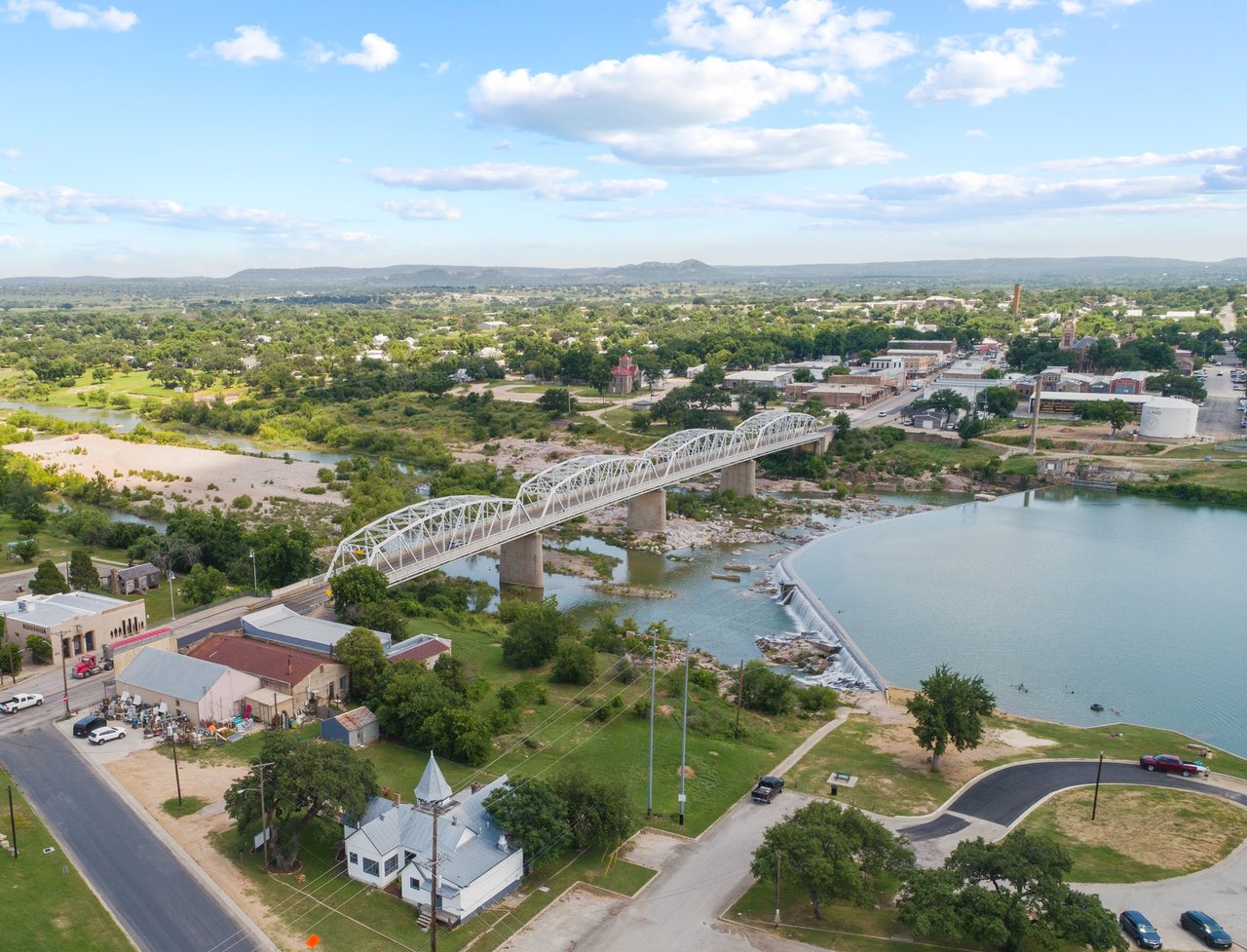
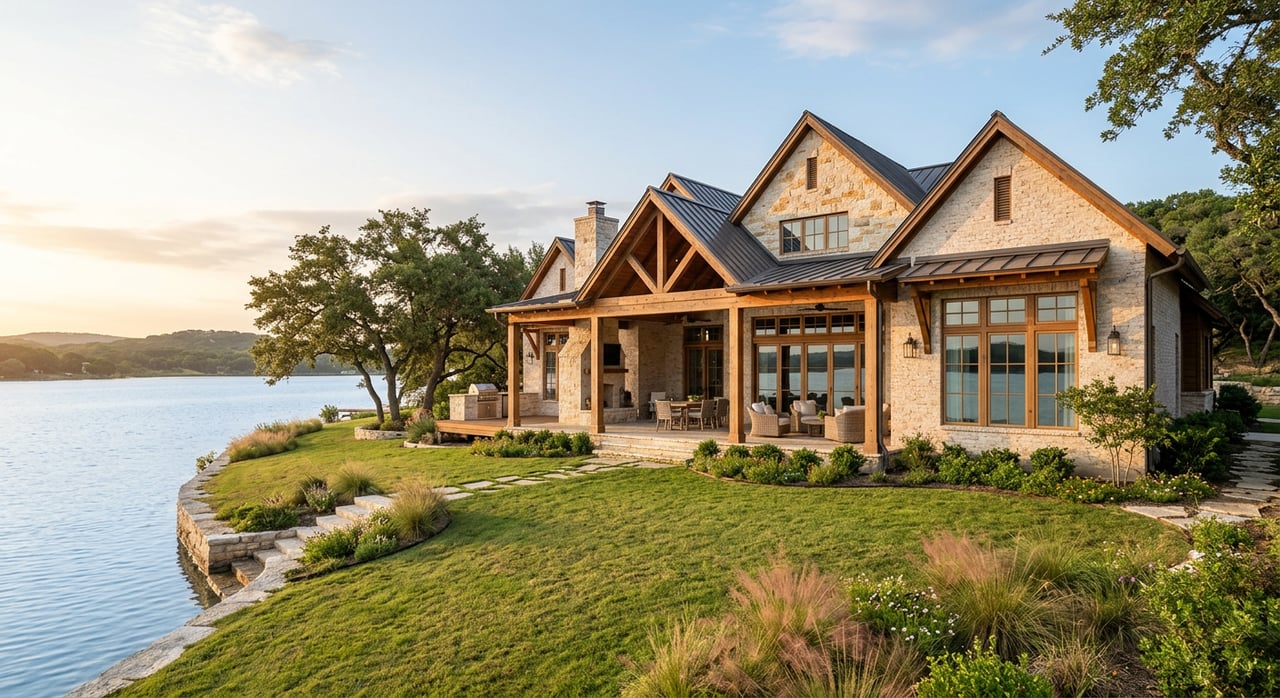
Highland Haven began as a subdivision in 1962 and later incorporated as a city in 1995. It sits on Lake LBJ in Burnet County, about seven miles west of Marble Falls on Highway 1431, according to the City of Highland Haven history page.
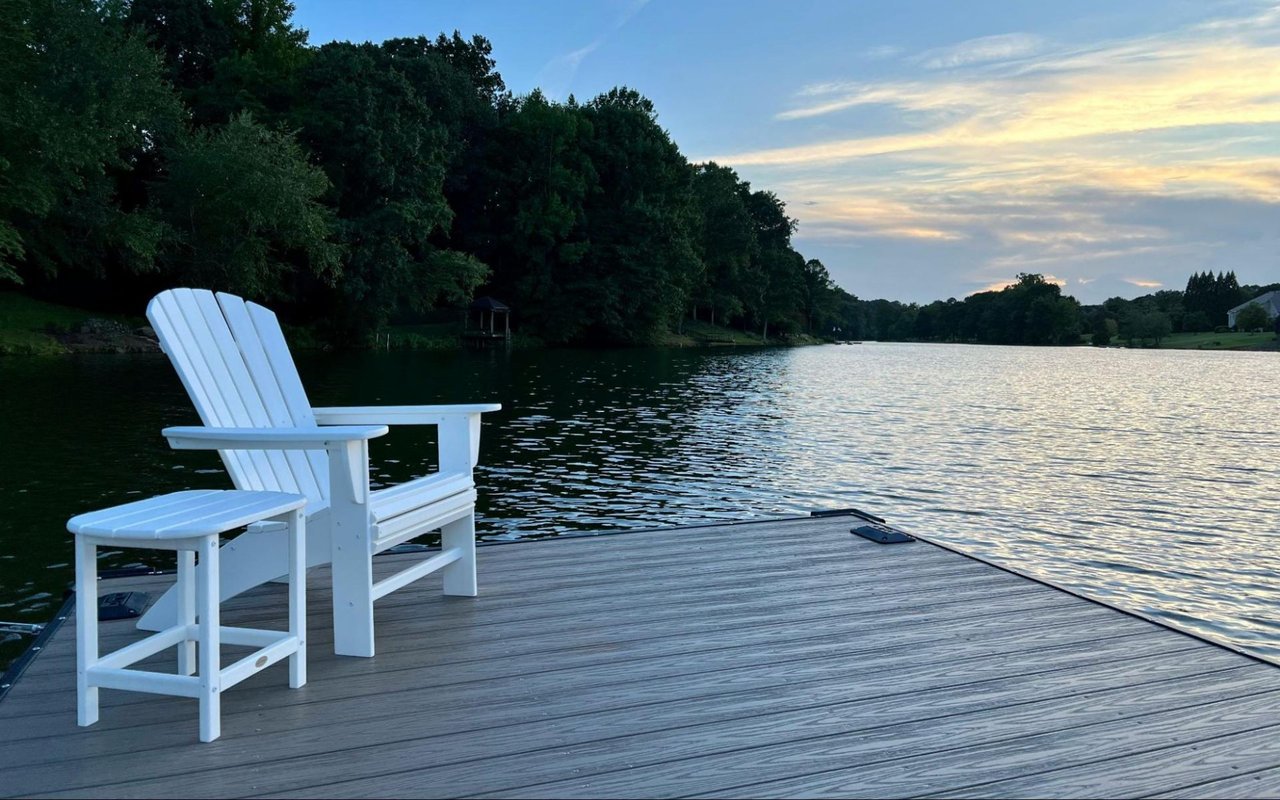
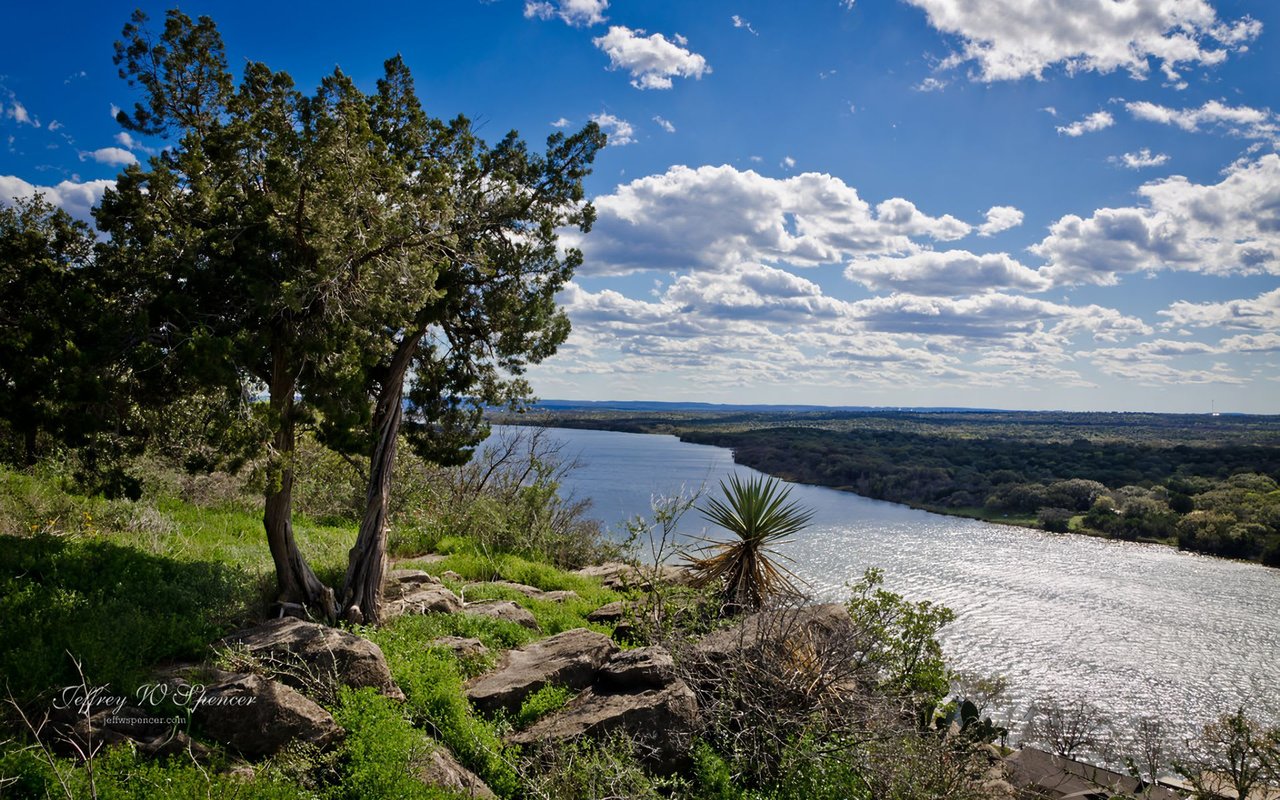
For many buyers, the appeal starts with the lake itself. The Lower Colorado River Authority describes Lake LBJ as one of the Highland Lakes pass-through lakes, generally operated within a small range, though water levels can fluctuate, especially during floods.
That steady-lake reputation, paired with neighborhood park access and a predominantly single-family setup, gives Highland Haven a distinctive feel for buyers who want a personal-use property, a long-term second home, or a full-time residence near the water.
Understand the City and POA
One of the first things to know is that the city and the property owners association are not the same thing. The Highland Haven Property Owners Association is separate from the city, is volunteer-run, and manages six parks along with trailer, RV, and storage facilities for members.
That same POA page notes there are no dues or assessments. It also explains that the area beyond Highland Drive and Quail Drive is Nobles Addition, which is not governed by the city and is not an official POA member area.
For you as a buyer, that means boundary verification matters. Before you fall in love with a listing, you will want to confirm whether the property is inside the city, whether it is part of the official HHPOA area, and what that means for park and storage access.
Parks and Lake Access Matter Here
In Highland Haven, park access is not just a nice extra. It can be a core part of how you use the property.
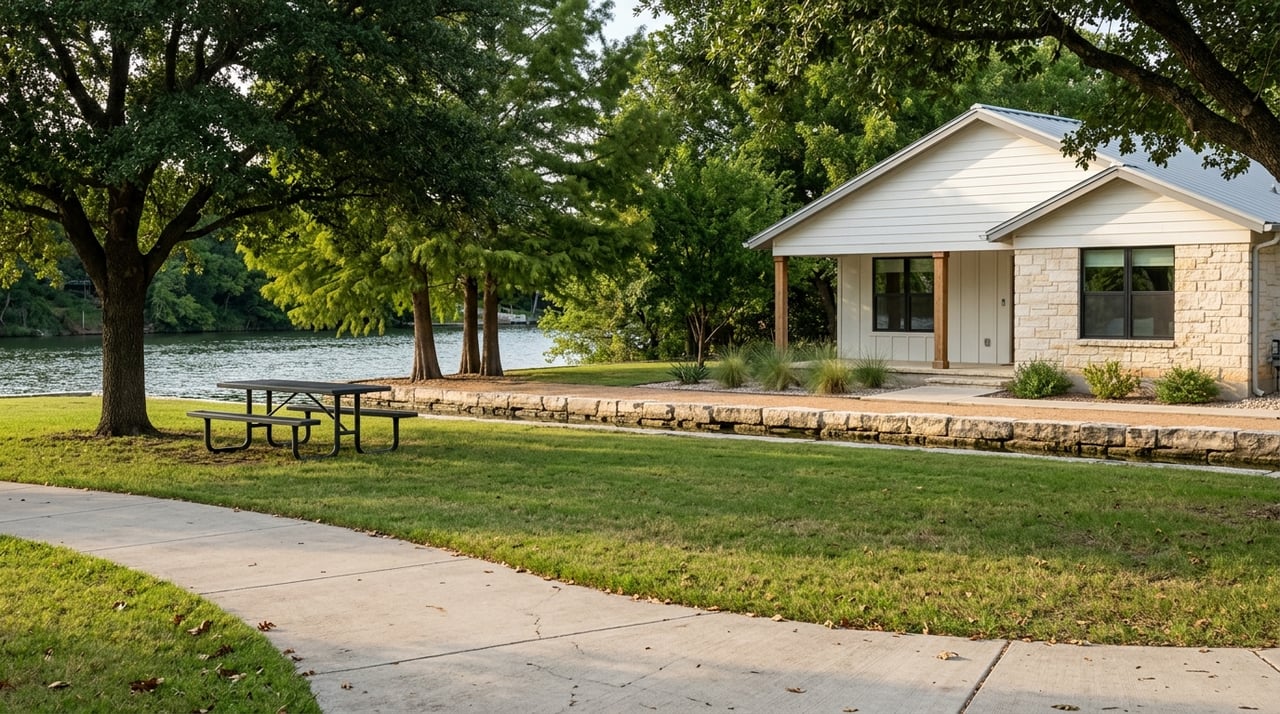
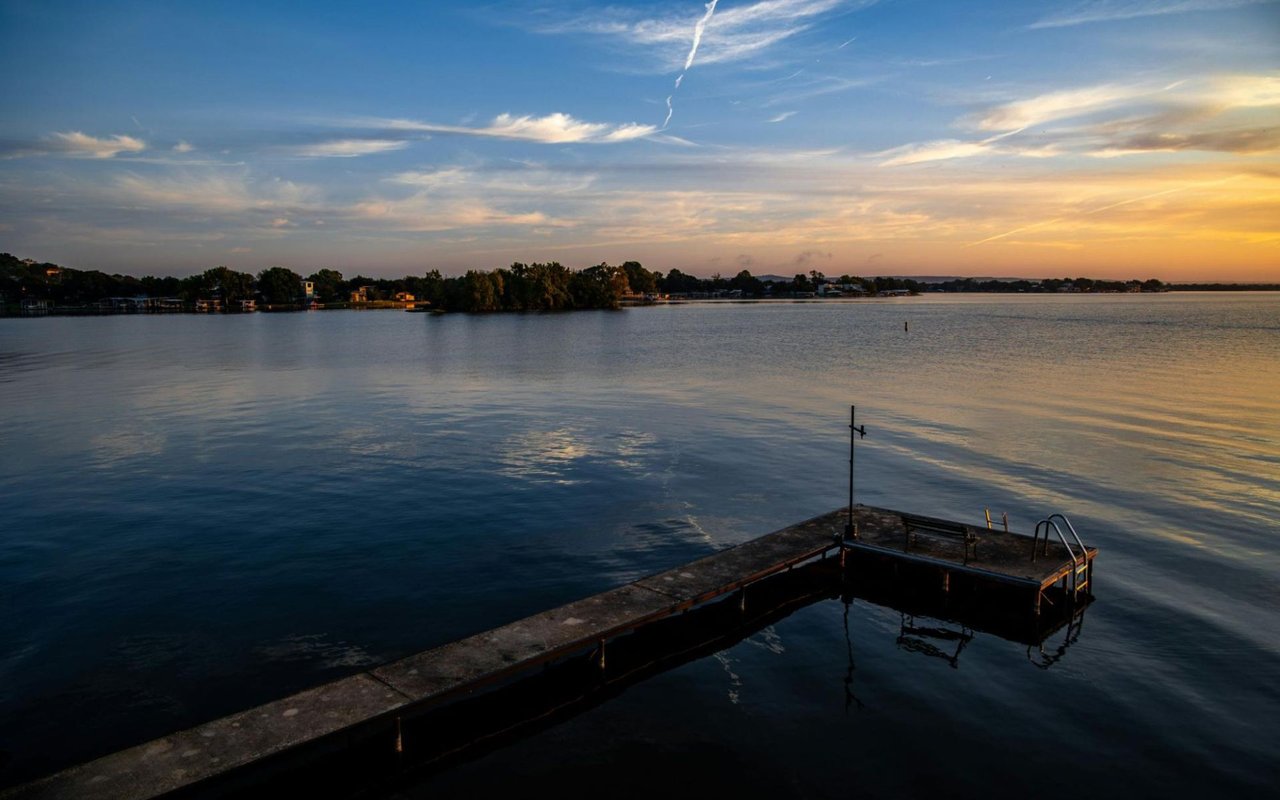
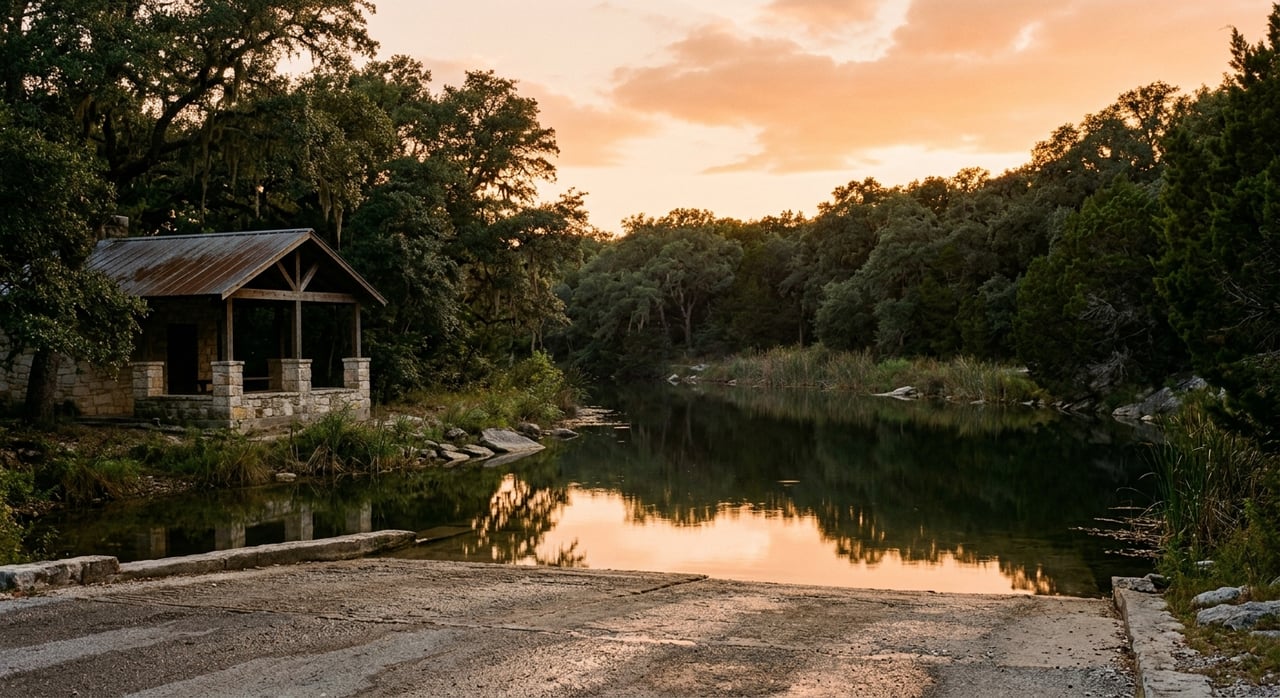
The HHPOA parks survey identifies six parks: Dove Park, Oriole Park, Redbird Park, Swan Park, Highland Park West, and Highland Park East. Survey responses showed residents use these spaces for boat launching, picnics, floating and swimming, fishing, kayaking, canoeing, walking, and enjoying sunrise and sunset views.
Dove Park Is the Main Amenity
Dove Park is the most developed park in the system. City and POA materials on the Highland Haven website describe it as the primary developed amenity and note that it includes a deluxe boat launch that can handle large lake craft.
The city also states that a protected swimming area at Dove Park Pier was approved with LCRA approval. If you want a property that supports easy boating and casual lake days without requiring direct waterfront ownership, this is an important feature to weigh.
Park Access Comes With Rules
Access to these parks is controlled, which is important to understand up front. According to the official HHPOA park rules, the parks are for property owners, their families, guests, and renters.
The same rules state that park hours are 5 a.m. to 11 p.m., overnight parking and camping are not allowed, vehicles may be parked only while physically using the park or while on the water, and fireworks are prohibited. No commercial business may be conducted in the parks without Board approval.
For buyers, this is a reminder to think beyond the words “lake access.” You will want to understand exactly how access works and whether it fits the way you plan to use the property.
Storage Can Be a Bigger Benefit Than You Think
If you are bringing a boat, trailer, or RV, storage is part of the buying conversation in Highland Haven. The HHPOA information page says the POA operates 40 covered and 41 uncovered trailer and RV spaces, plus 15 storage sheds.
That same source notes that spaces are limited and waiting lists can be long. In practical terms, off-water storage can be a real advantage here, but you should never assume space will be available when you buy.
If boating is central to your lifestyle, ask early about current availability, waiting lists, and whether the property itself provides adequate room for your setup.
Know the Residential Rules Before You Buy
Highland Haven is not a one-size-fits-all lake market. The city code points to a more residential, lower-turnover environment than some buyers may expect.
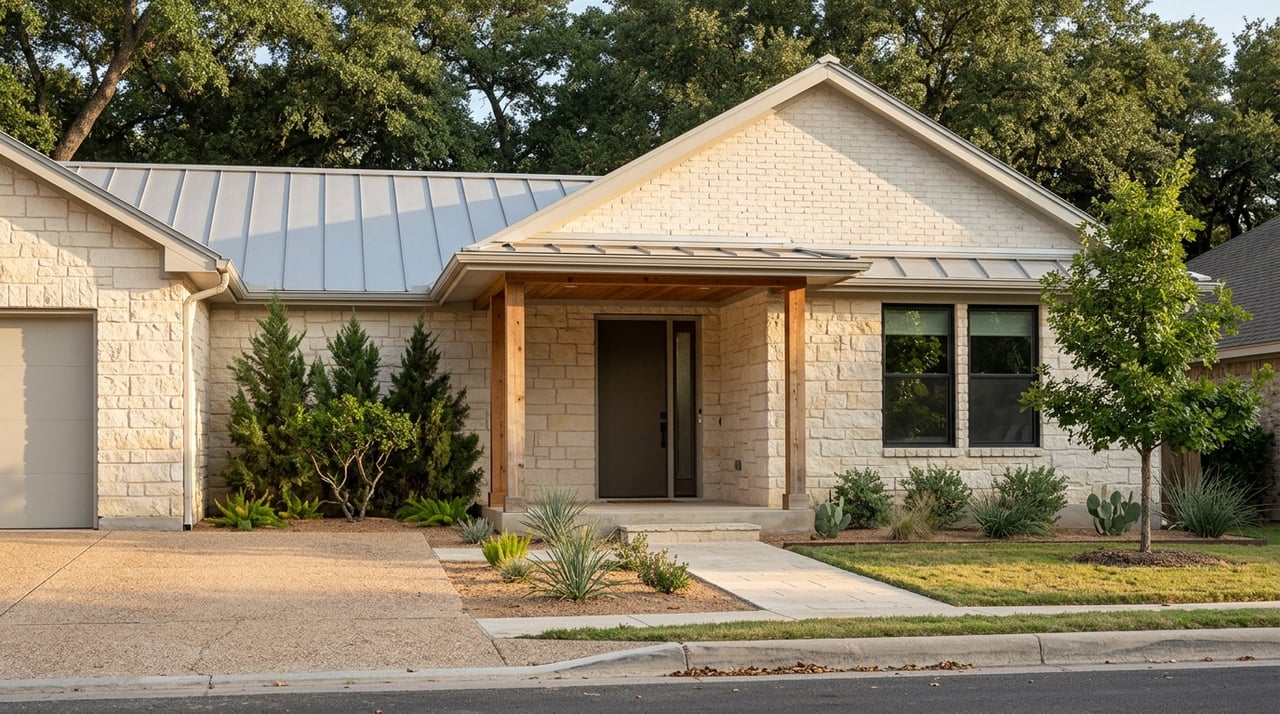
According to the city zoning code, Highland Haven is predominantly single-family residential. SFR1 properties are restricted to residential use only, multi-family residences are not permitted within the city, and a single-family residence must contain at least 1,600 contiguous square feet.
The code also states that residences may be rented only for periods of 180 consecutive days or longer. If you are hoping to buy with short-term rental plans in mind, this is one of the first issues to review.
What This Means for Buyers
These rules may better fit buyers who want:
- A primary residence near Lake LBJ
- A second home for personal use
- A long-term hold with residential use
- A property in a setting with fewer short-stay turnover dynamics
Because of the 180-day minimum rental requirement and residential-use limits, Highland Haven may be especially appealing if your focus is lifestyle, stability, and long-term ownership rather than short-term rental activity.
Waterfront Rules Need Close Review
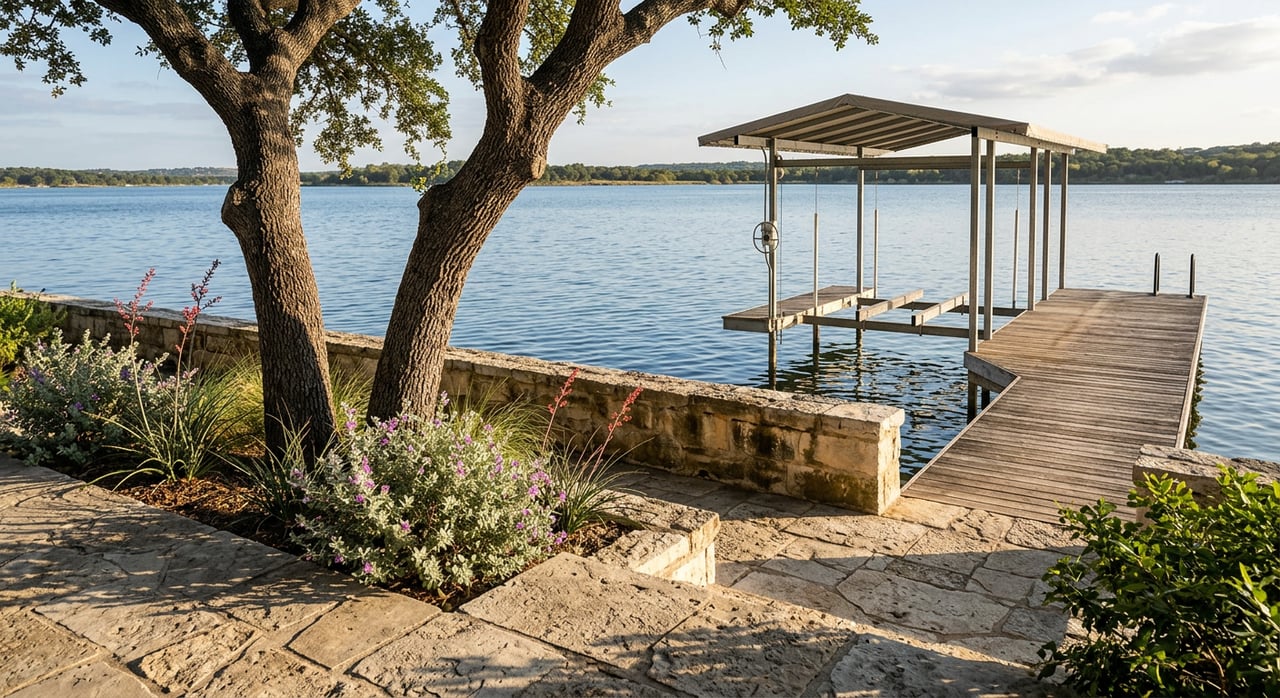
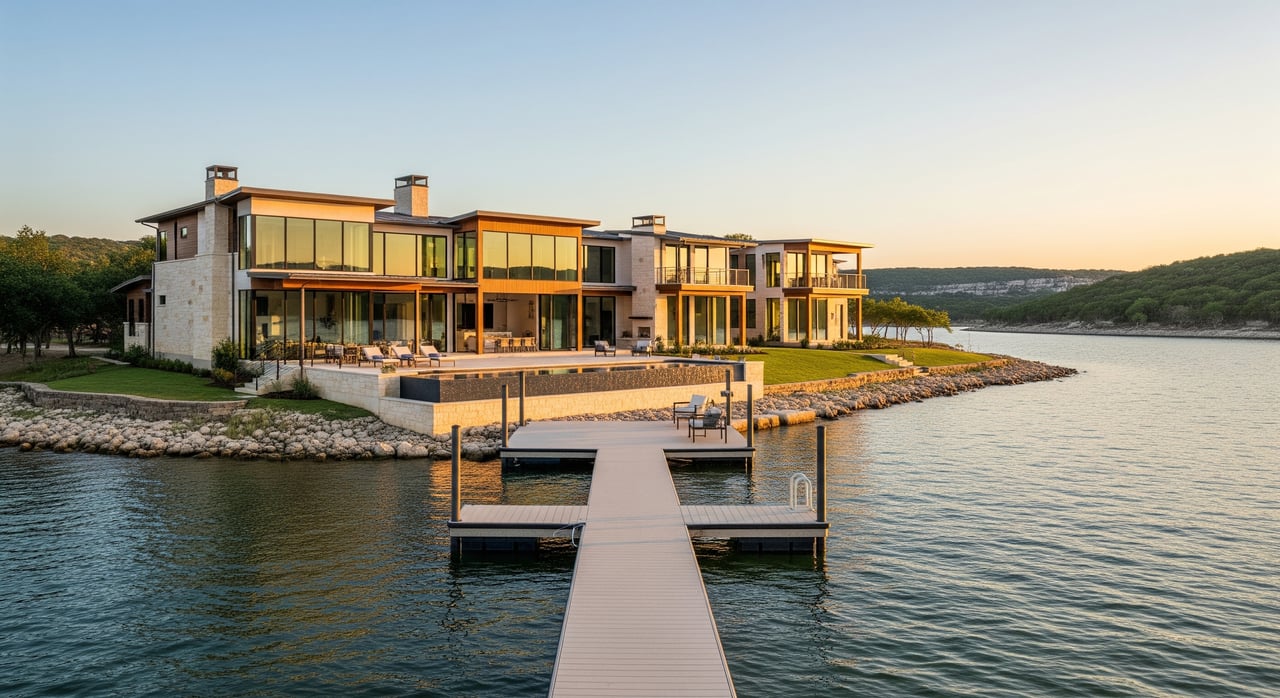
If you are shopping waterfront, diligence becomes even more important. In Highland Haven, docks, shoreline work, and watercraft storage are all regulated.
The city code provisions for waterfront structures limit structure height to 16 feet above normal Lake LBJ water level. The code also caps open-water waterfront structures at 1,500 square feet of enclosed building area and 2,400 square feet total, while canal and ditch structures are capped at 900 square feet enclosed and 1,500 square feet total.
The same code states that no waterfront structure may extend more than 50 feet from the water’s edge, and that 35 feet of navigation clearance is required in many situations. Seawall, bulkhead, and shoreline work must also comply with city, LCRA, and USACE requirements.
Watercraft Storage Has Limits Too
The city watercraft regulations require no-wake operation in the canals and on the lake within city limits. They also limit mooring to the owner’s boating facility or seawall.
Storage along the waterfront is restricted to the waterfront boating facility, and bank storage is generally prohibited except for paddleboats, canoes, and play toys. If you picture kayaks, lifts, personal watercraft, or a larger dock setup, you will want to verify what is already permitted and what may require approval.
Lot Size and Layout Can Change the Equation
Not every Highland Haven lot functions the same way, even when the square footage looks similar on paper. Much of that comes back to the community’s development history.
A 2016 city ordinance says original 1962 lots are grandfathered for OSSF purposes, while replatted lots must be at least one-half acre if served by public water or one acre if not. The ordinance also states that a former PDD tract is now subject to a one-acre minimum and 100 feet of frontage.
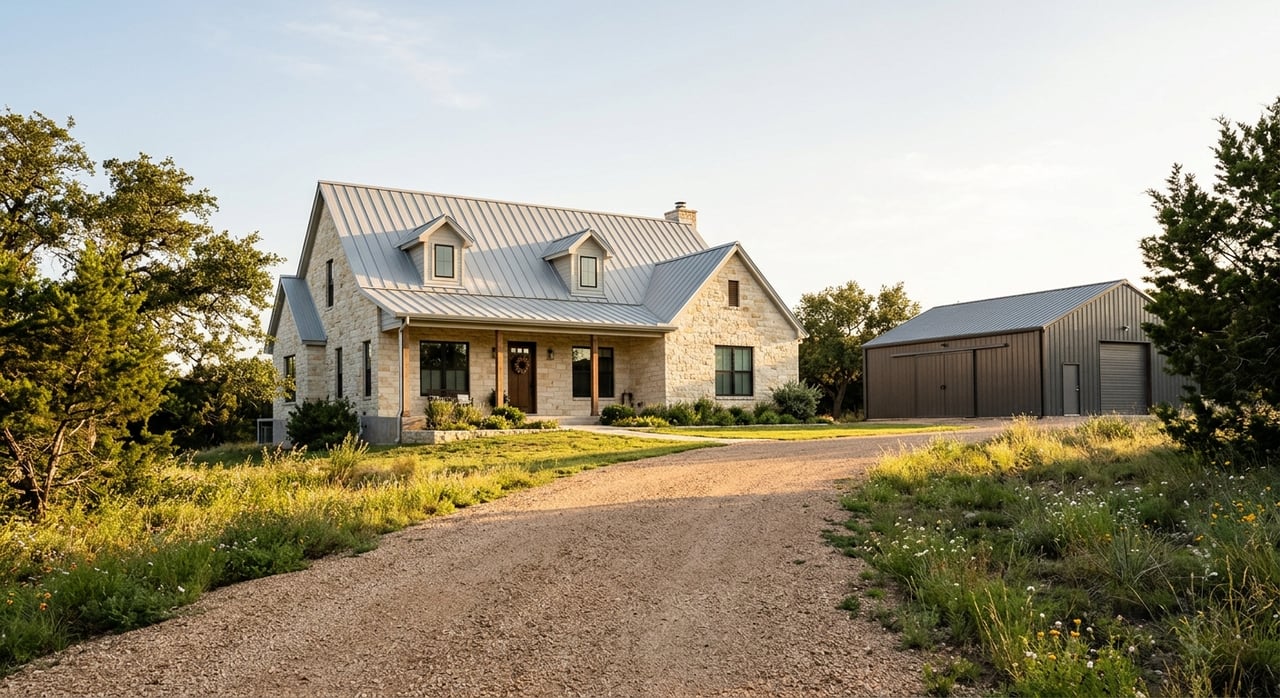
That history creates a mix of lot types. Based on the research report’s current inventory examples, buyers may see smaller older lots near the water and larger inland tracts, which means lot geometry, canal positioning, frontage width, and shoreline configuration can be just as important as total acreage.
Why Buildability Questions Come First
If you are buying to remodel, rebuild, or add waterfront improvements, ask detailed questions early. A parcel’s grandfathered status, replat needs, OSSF implications, waterfront classification, and frontage dimensions can all affect what is feasible.
This is one of the places where local guidance can save you time. A property that looks ideal online may carry constraints that only become clear once you line up city rules, POA status, and site specifics.
Features Buyers Often Value Most
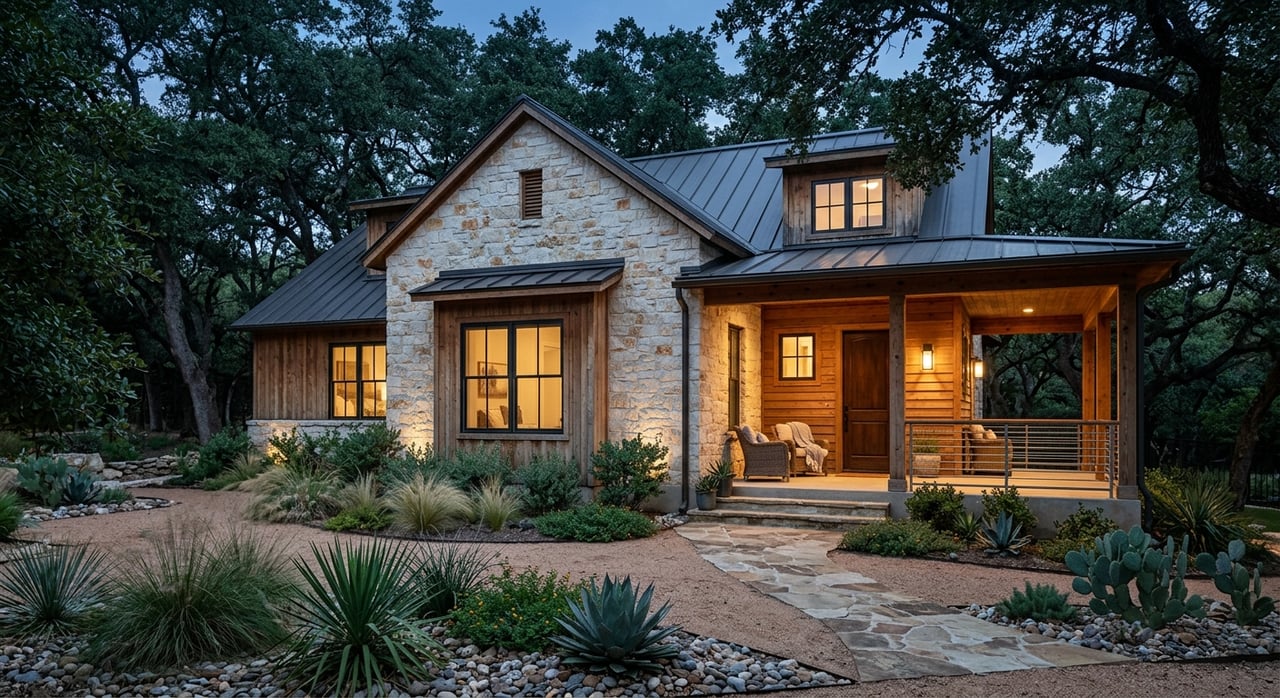
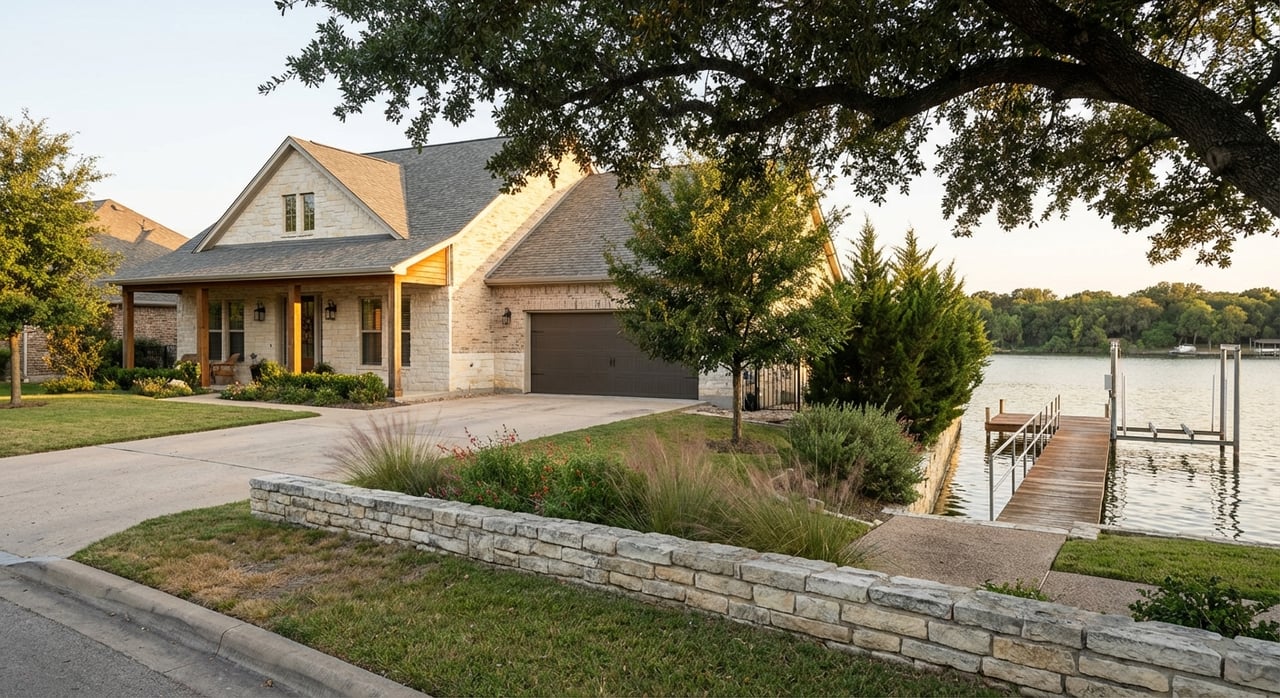
In Highland Haven, the most marketable features tend to be practical, usable, and tied to how you enjoy the lake. The research report points to current listing examples that highlight protected cove water, calm channels near open water, existing boat docks or lifts, usable waterfront frontage, mature trees, corner lots, and updated systems.
One active listing example also highlights access to Highland Haven’s six parks and an exclusive POA boat launch, showing that community amenity access can be part of the value story too. In other words, direct waterfront is not the only feature that can matter.
For many buyers, the sweet spot is a property that balances water enjoyment with fewer ownership headaches. That could mean a waterfront home with an existing compliant setup, or it could mean an interior property with reliable park access and good boat storage options.
A Smart Highland Haven Buying Checklist
Before you move forward on a home or lot, keep this checklist handy:
- Confirm whether the property is inside the city limits
- Verify whether the parcel is within the official HHPOA member area
- Ask how park access applies to the property
- Review whether trailer, RV, or storage spaces are available
- Check the exact waterfront classification if the property touches the water
- Confirm dock, lift, seawall, or shoreline improvement status
- Review lot history, including grandfathered or replatted status
- Verify minimum build standards and any redevelopment limits
- Understand the 180-day minimum rental rule
- Make sure the property fits your intended lifestyle and holding plan
Highland Haven Is Best for a Specific Kind of Buyer
Highland Haven can be a strong fit if you want Lake LBJ access in a community that leans residential and places real structure around waterfront use. You may find it especially appealing if you value a quieter ownership experience, park-based recreation, and a property you plan to enjoy for years rather than use as a short-term rental play.
The key is buying with your eyes open. In a market like this, the right property is not just about the view. It is about boundaries, access, lot history, waterfront rules, and how well the home supports the way you actually want to live on the lake.
If you want help evaluating Highland Haven homes, lots, or waterfront details around Lake LBJ, connect with Landmasters Real Estate. With deep Highland Lakes knowledge and decades of experience in this region, you can get local guidance that helps you buy with more clarity and confidence.
FAQs
What makes Highland Haven different from other Lake LBJ communities?
- Highland Haven combines Lake LBJ access with a predominantly single-family residential setting, six POA-managed parks, and rules that support longer-term residential use rather than short-term rental turnover.
What should you verify about HHPOA access before buying in Highland Haven?
- You should confirm whether the property is within the official HHPOA member area, since the city says Nobles Addition is not an official POA member area and is outside city governance.
What park amenities are available in Highland Haven for property owners?
- The HHPOA manages six parks, and Dove Park is the primary developed amenity with a deluxe boat launch and a protected swimming area approved with LCRA approval.
What rental rules apply to homes in Highland Haven?
- According to city code, residences may be rented only for periods of 180 consecutive days or longer.
What waterfront rules should buyers review in Highland Haven?
- Buyers should review city limits on dock and waterfront structure size, height, navigation clearance, extension from shore, shoreline work compliance, and watercraft storage and mooring rules.
What lot issues matter most when buying land or a home in Highland Haven?
- The big issues are whether the lot is grandfathered or replatted, its frontage and shape, whether it is waterfront or interior, and how those details affect OSSF requirements, redevelopment, and waterfront improvements.