Looking at land in San Saba and thinking, "Is this a river property, an orchard, or both?" That question matters more here than it does in many rural markets. In San Saba, river frontage, pecan production, floodplain rules, and agricultural appraisal can all shape what a property is worth and how you can use it. If you want to buy with confidence, this guide will help you understand what makes these properties different and what to review before you move forward. Let’s dive in.
Why San Saba Stands Out
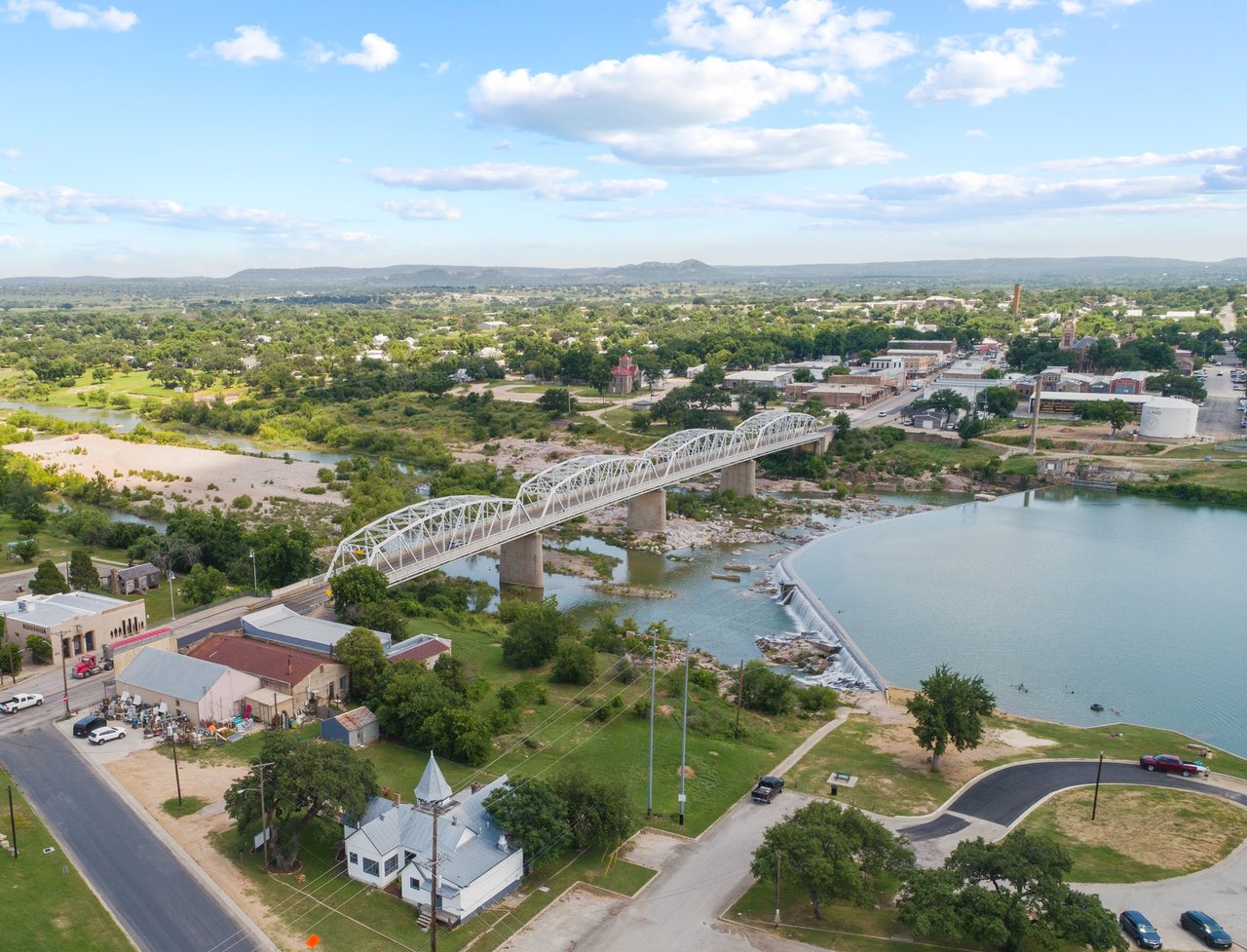
San Saba is widely known as the Pecan Capital of the World, and that identity is more than local branding. The market here includes land where river access, orchard use, and long-term agricultural value often overlap.
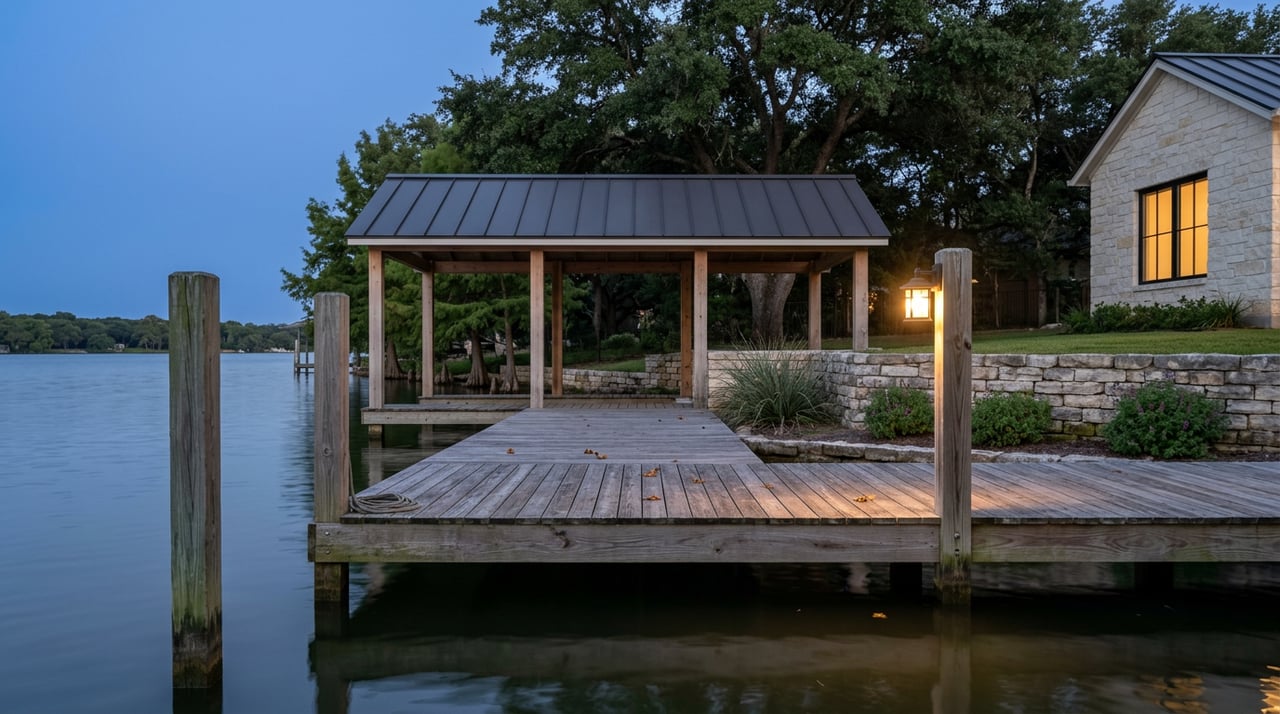
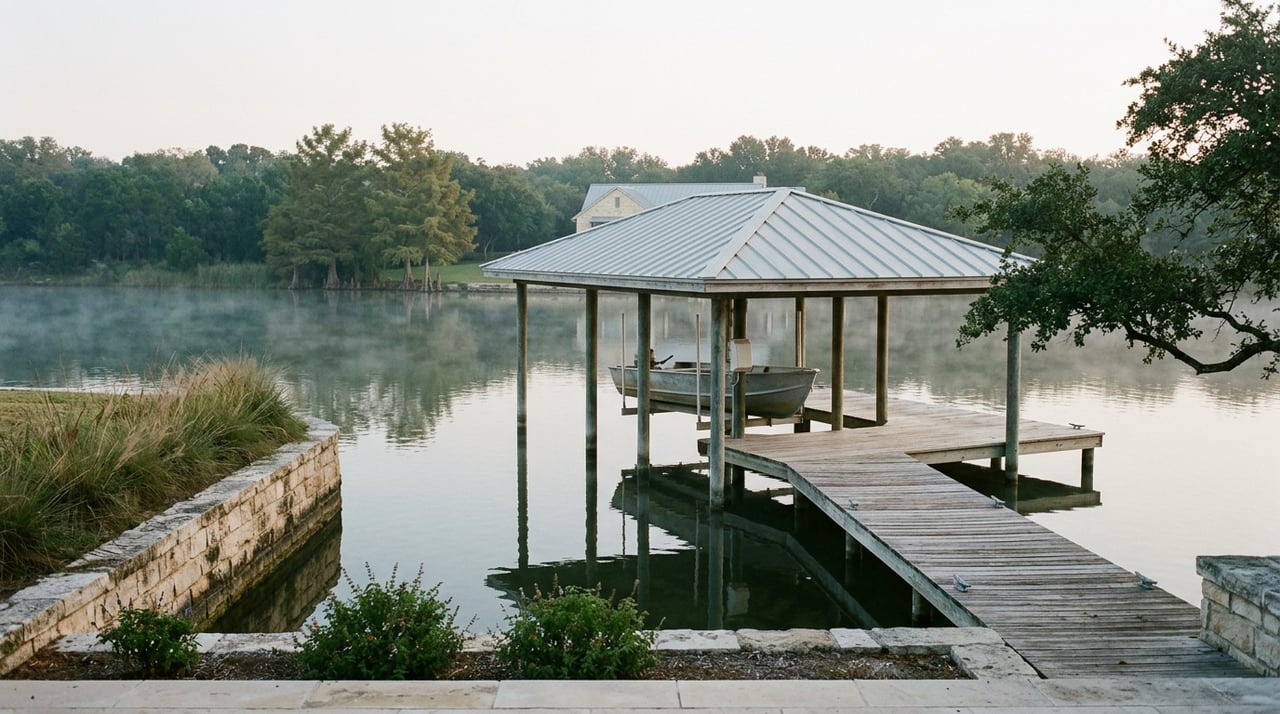
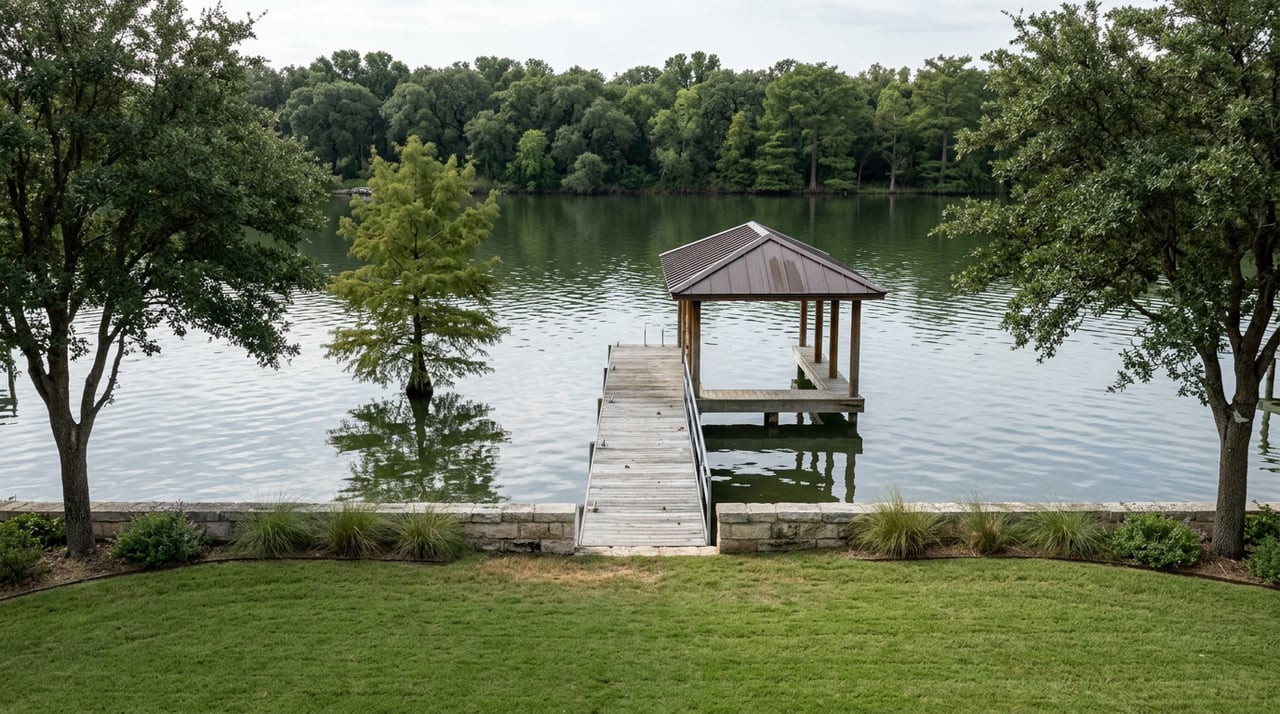
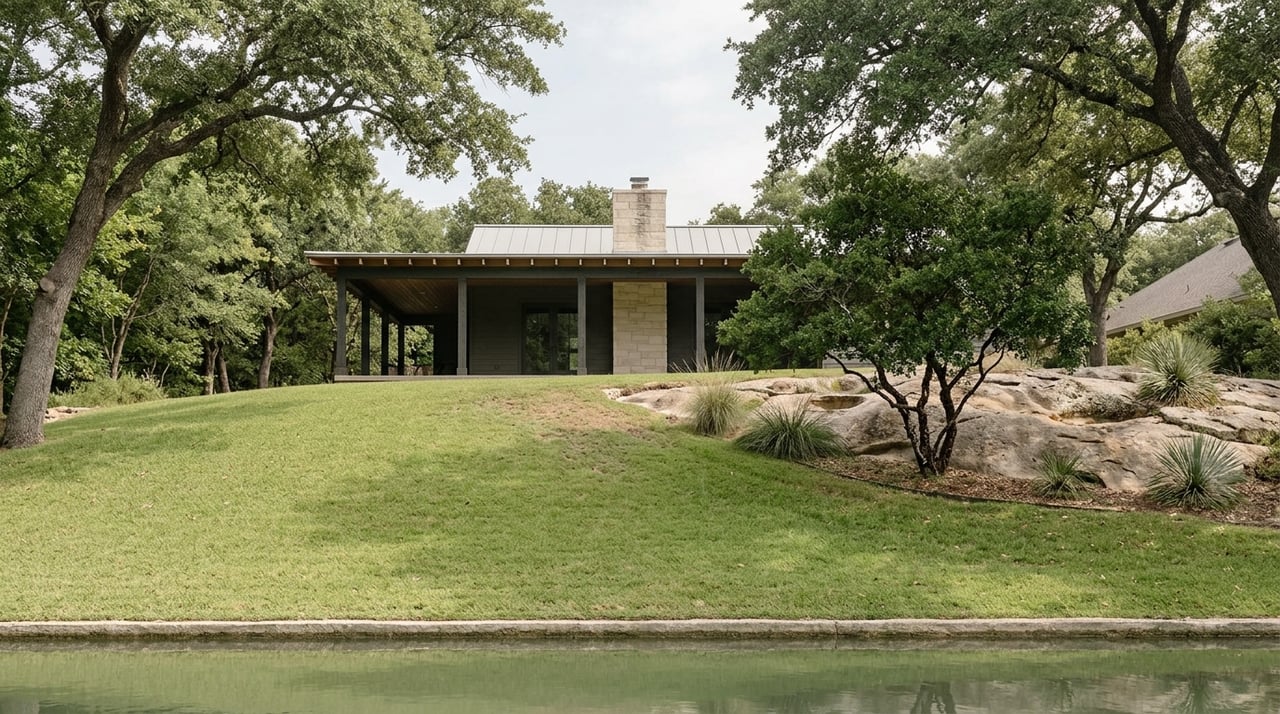
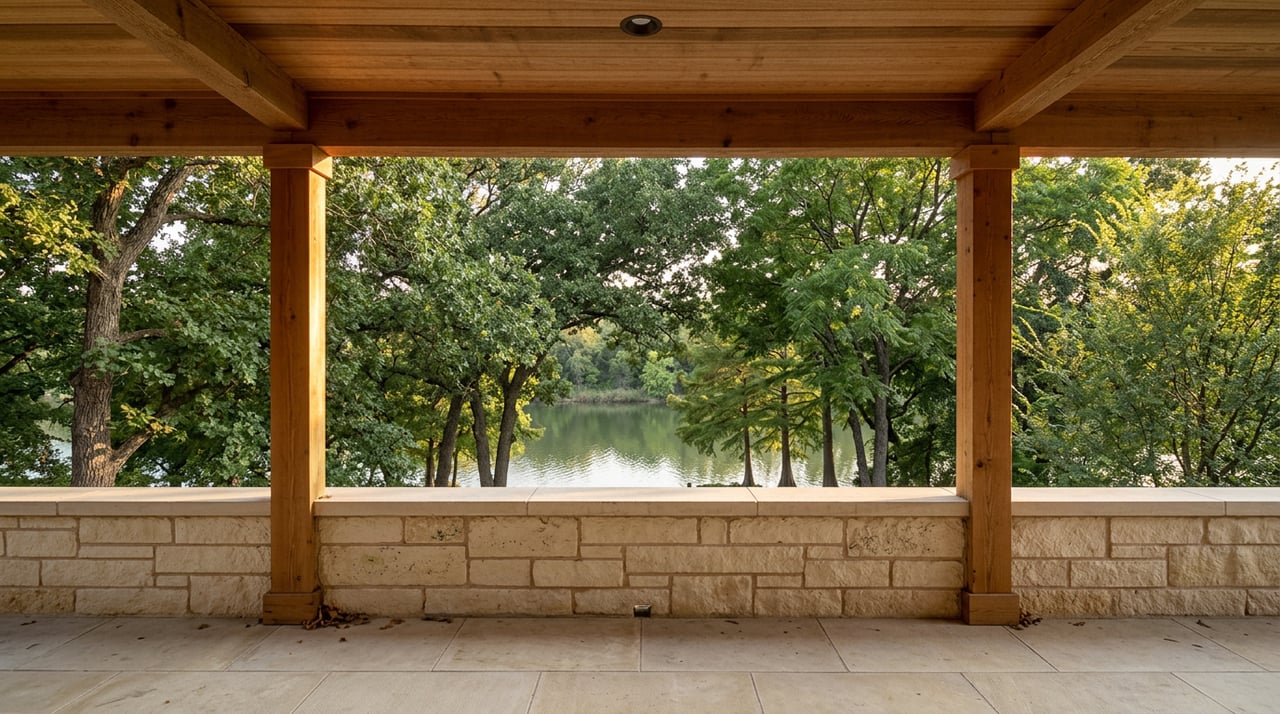
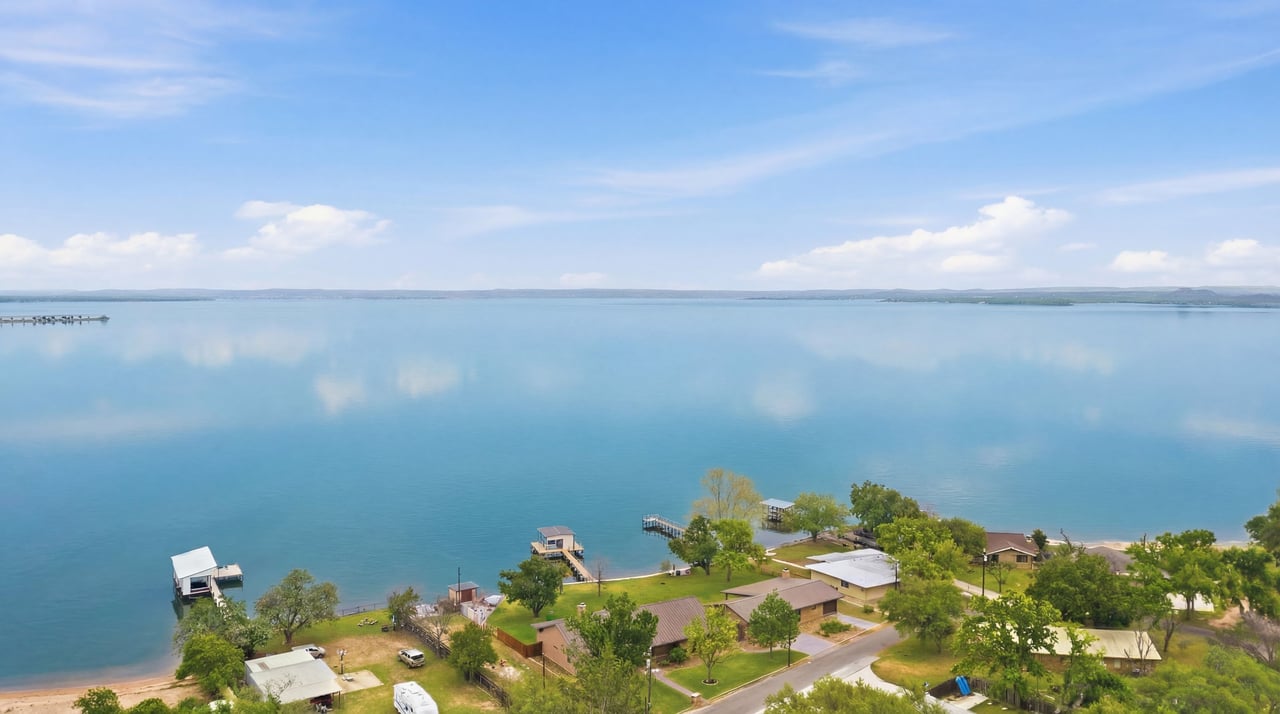
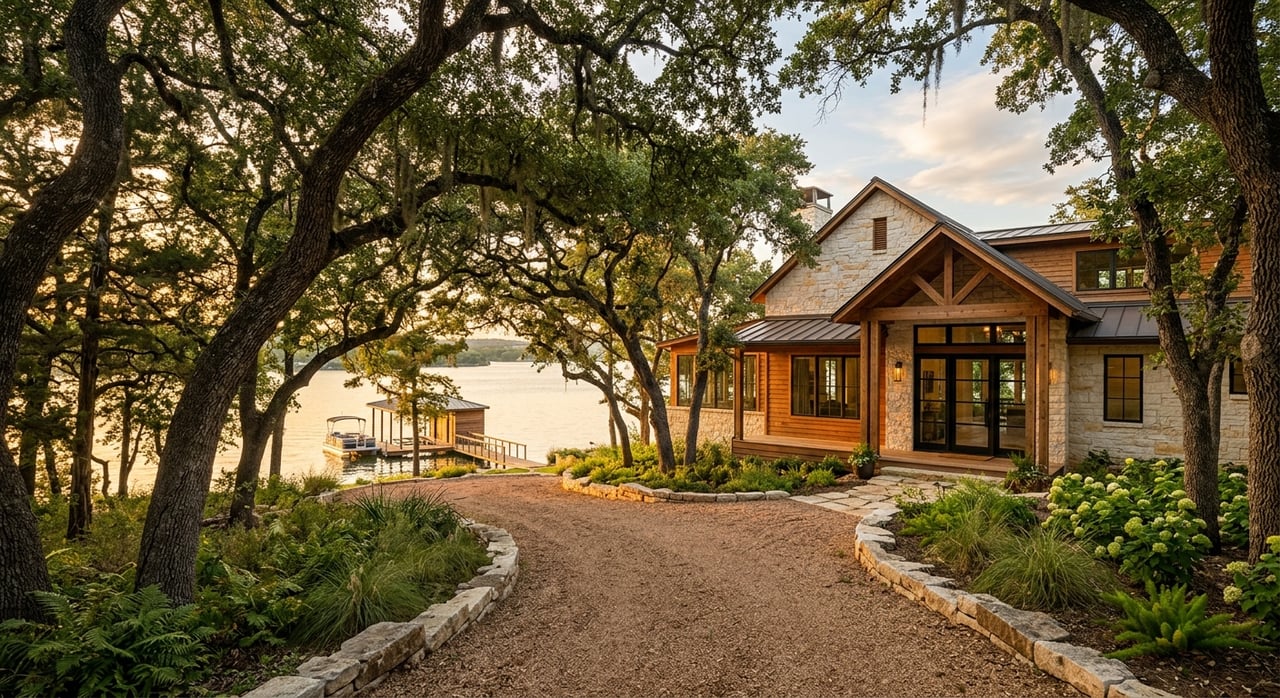
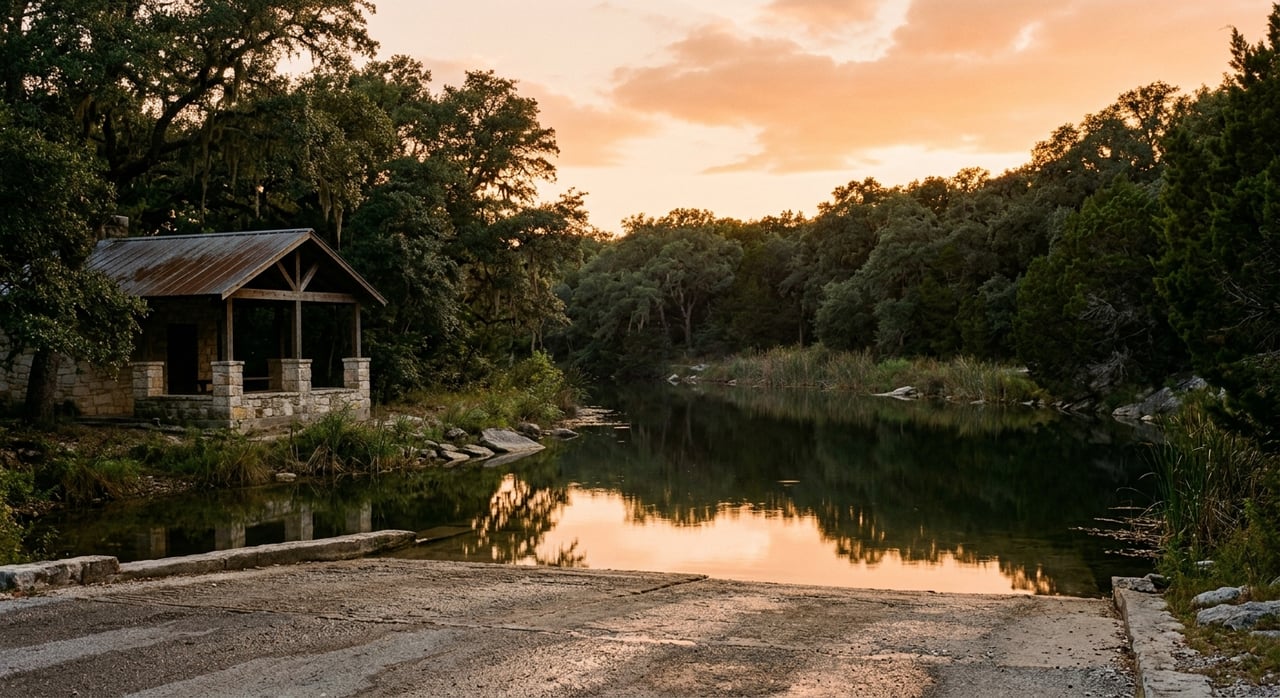
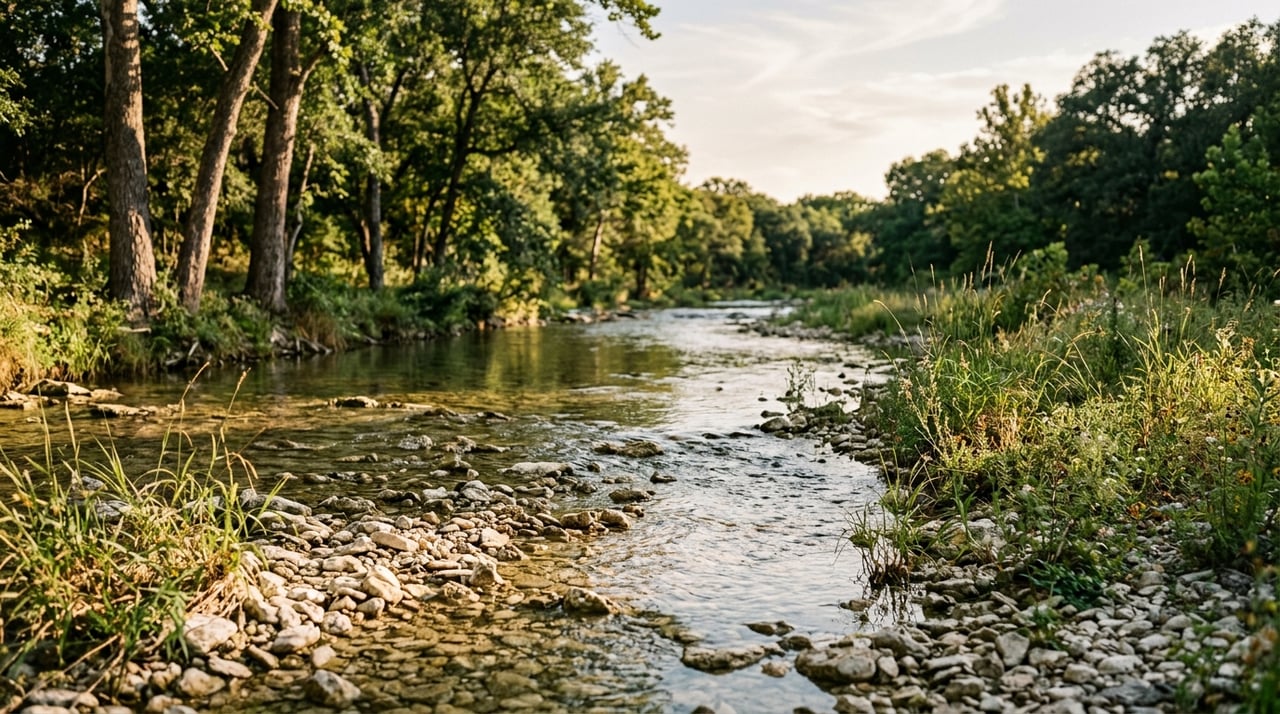
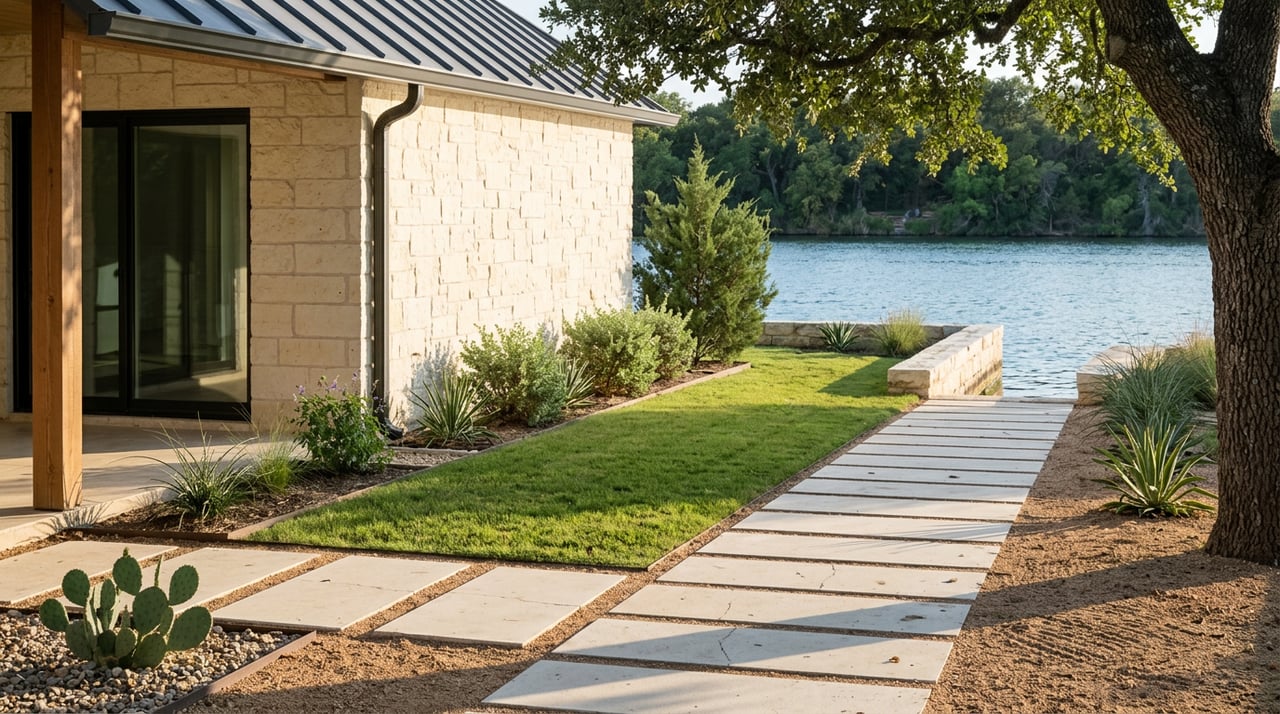
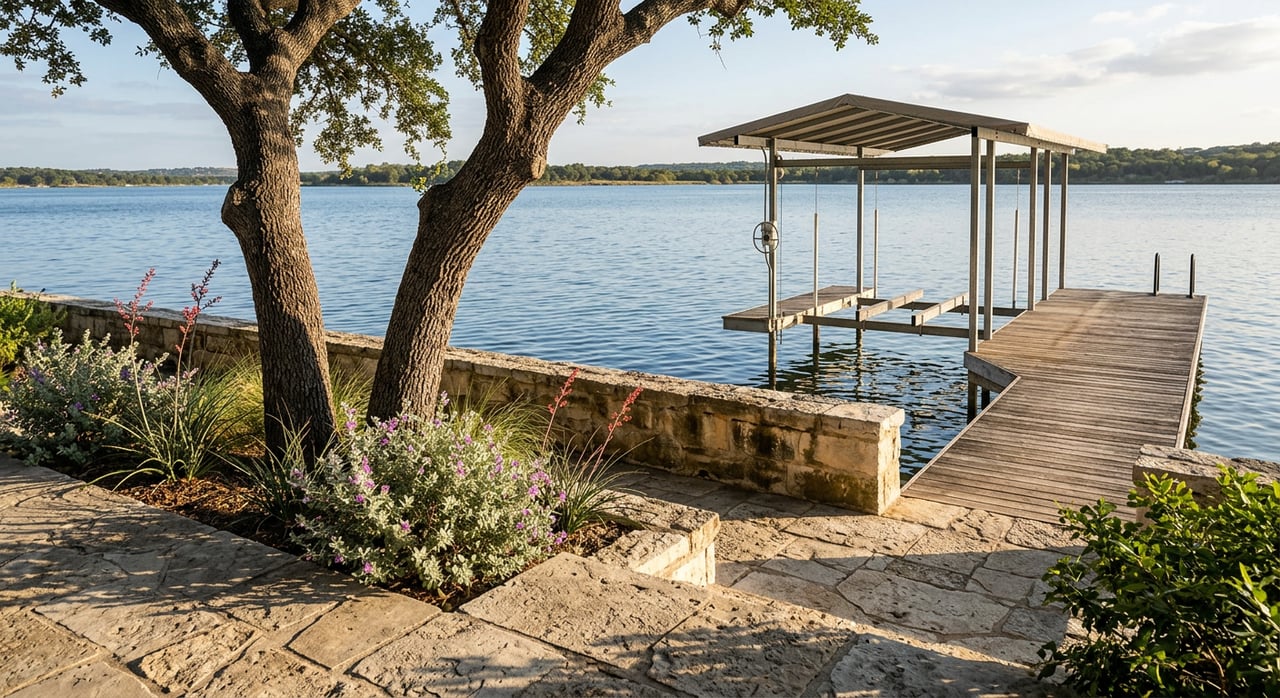
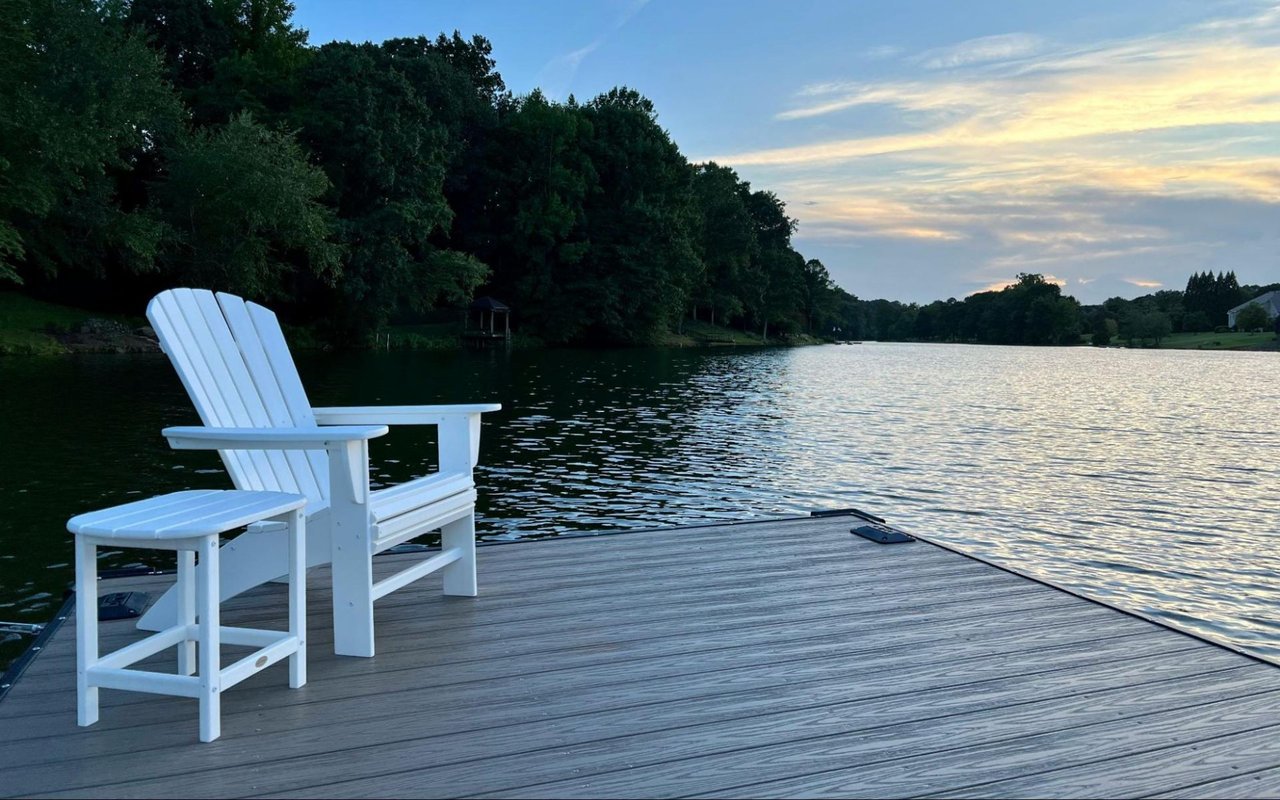
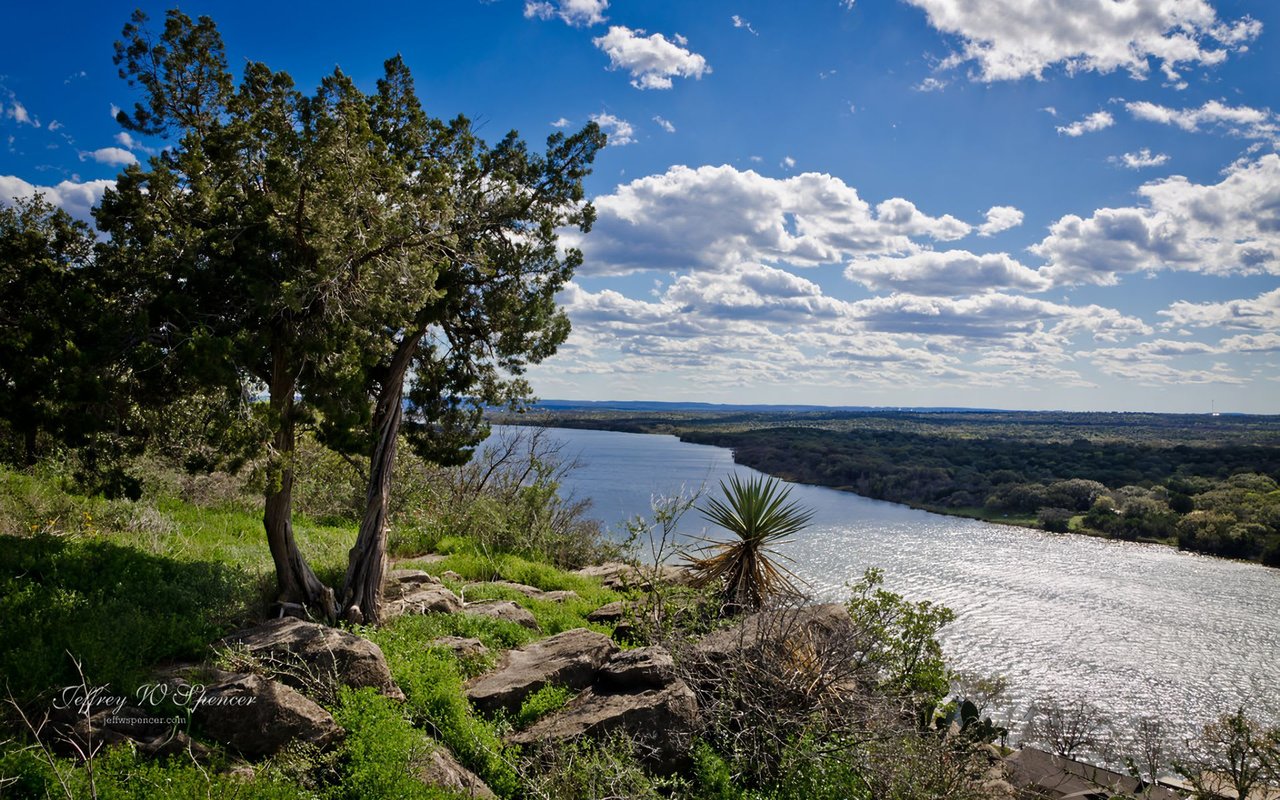
The San Saba River also adds a layer of complexity. Texas Parks and Wildlife describes it as a scenic Hill Country river with clear water, limestone bluffs, and relatively limited residential development. That means riverfront property in San Saba can feel natural and private, but it also means each tract needs close review for access, usability, and floodplain concerns.
Main San Saba Property Types
Native pecan river-bottom tracts
These tracts are often tied closely to the natural landscape along rivers and streams. Texas A&M AgriLife notes that native pecans typically grow along rivers and streams, and groves on large rivers or streams may have more economic potential because of deep soils and subsurface irrigation.
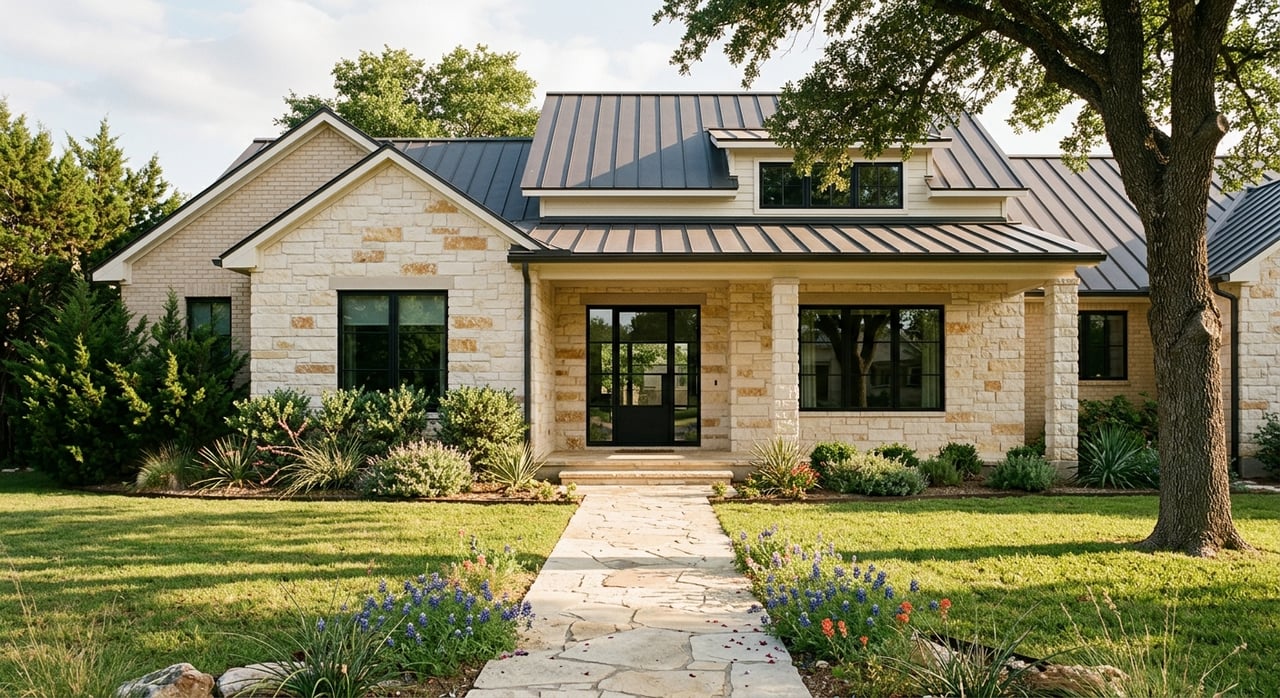
For you as a buyer, that means these properties are often evaluated as working land first and residential property second. A home on the tract may add appeal, but the land itself often drives the value story.
Improved or irrigated pecan orchards
These are generally the most production-focused properties in the local market. San Saba County appraisal guidance specifically separates native pecans, dry-land pecans, and irrigated pecans, which shows that orchard type and irrigation matter in a real and practical way.
These tracts can offer long-term production potential, but they also require more active management. AgriLife notes that mature bearing pecan trees may need more than 200 gallons of water per tree per day in hot weather, so water planning is a major part of ownership.
Mixed-use orchard and ranch tracts
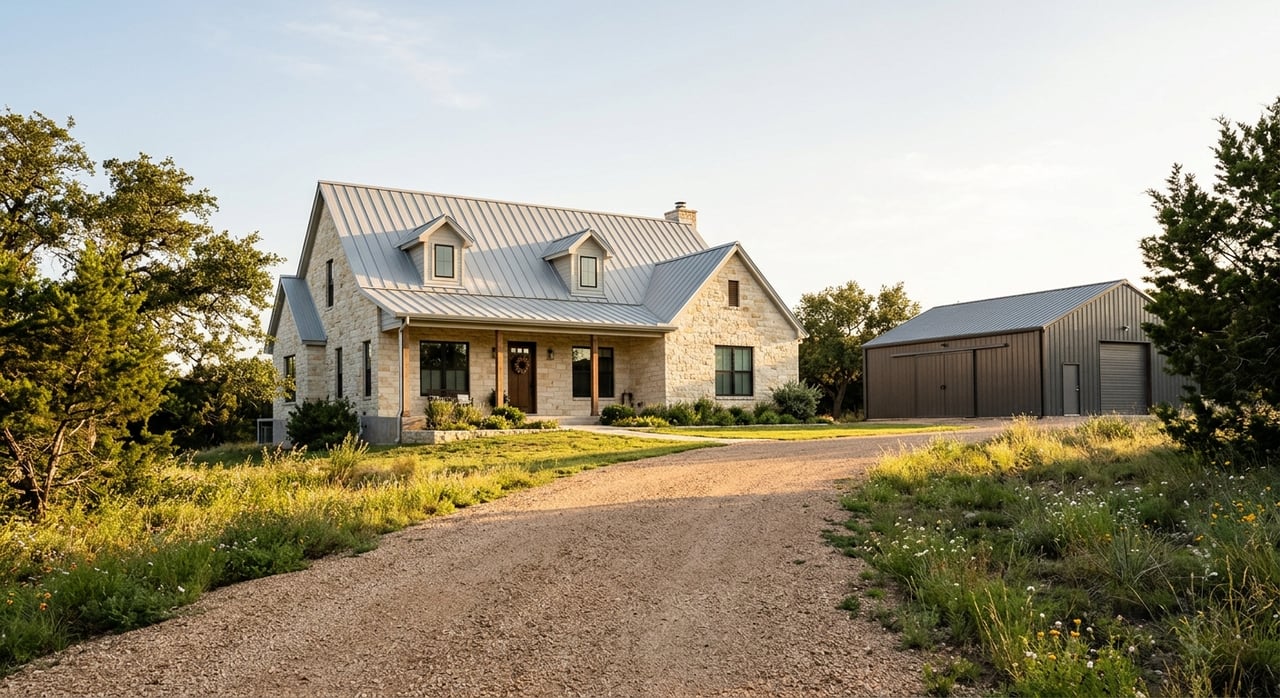
Some San Saba properties combine pecans with pasture, hay production, or wildlife use. The county’s special valuation policy recognizes cropland, pasture, orchards and vineyards, and wildlife pasture, which reflects how flexible these larger tracts can be.
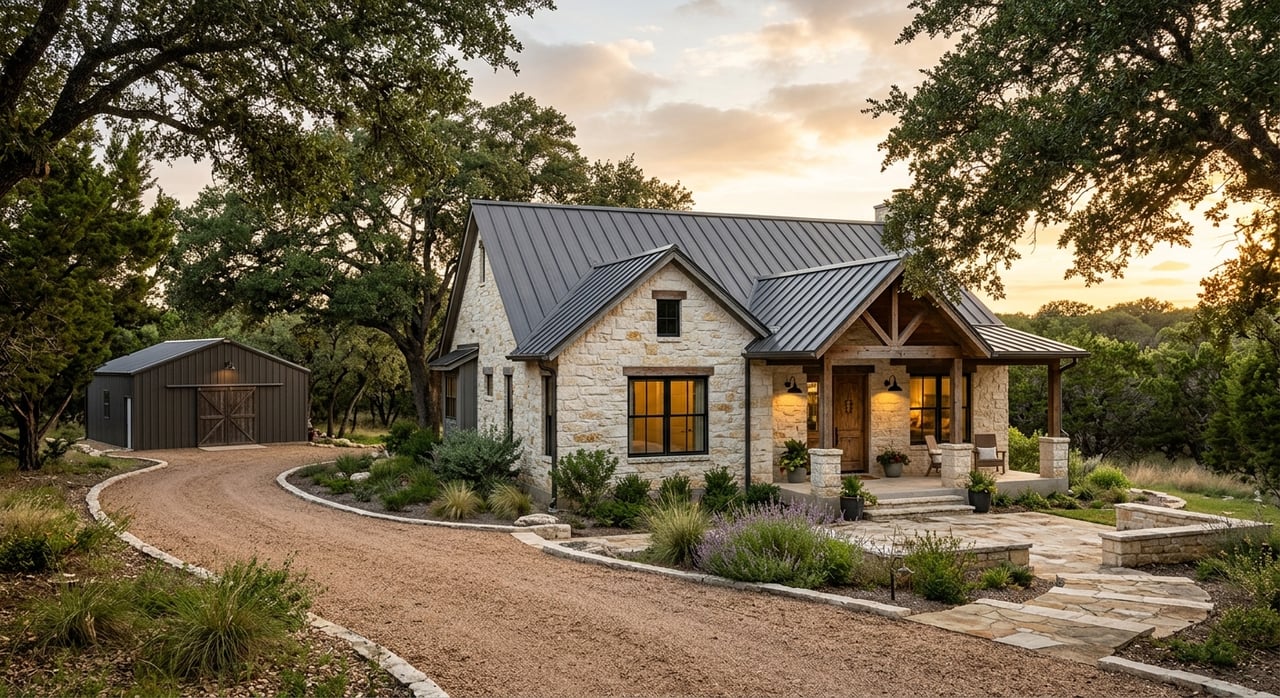
If you want a property that supports both lifestyle and land use, this category may fit well. You may be looking at a place that can serve as a homesite, recreational retreat, and income-producing tract at the same time.
River-access recreational tracts
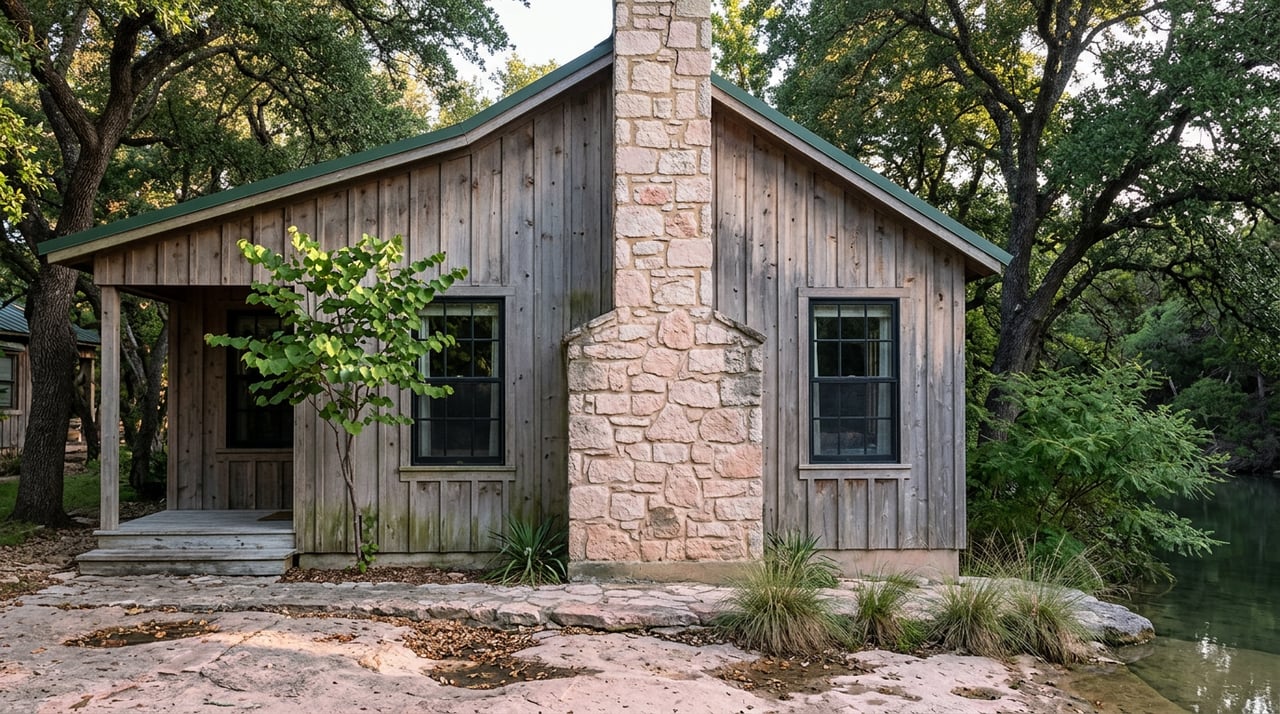
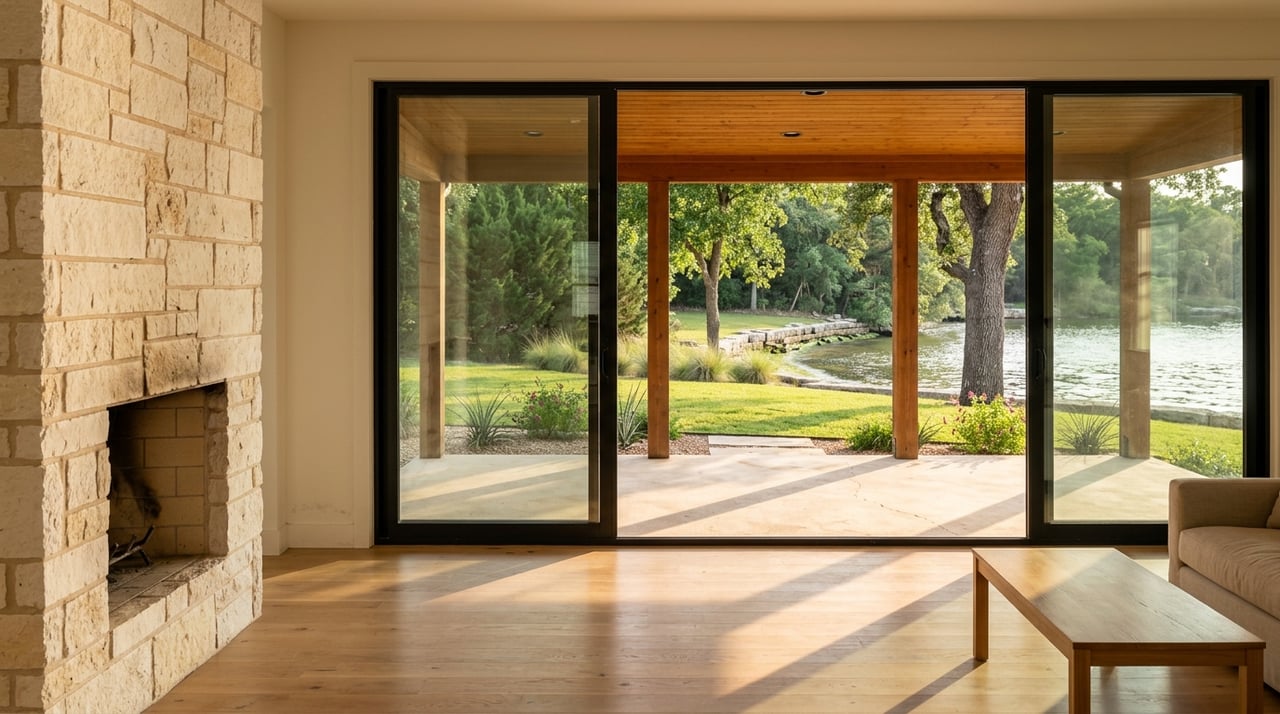
Not every river property is an orchard, and not every orchard tract has easy river use. Some buyers are drawn mainly by scenery, fishing, hunting, privacy, and weekend recreation.
That said, Texas Parks and Wildlife notes that the San Saba River varies quite a bit by location. Some stretches are narrow or shallow at normal water levels, and access can differ significantly from one reach to another.
In-town or near-town residential lots
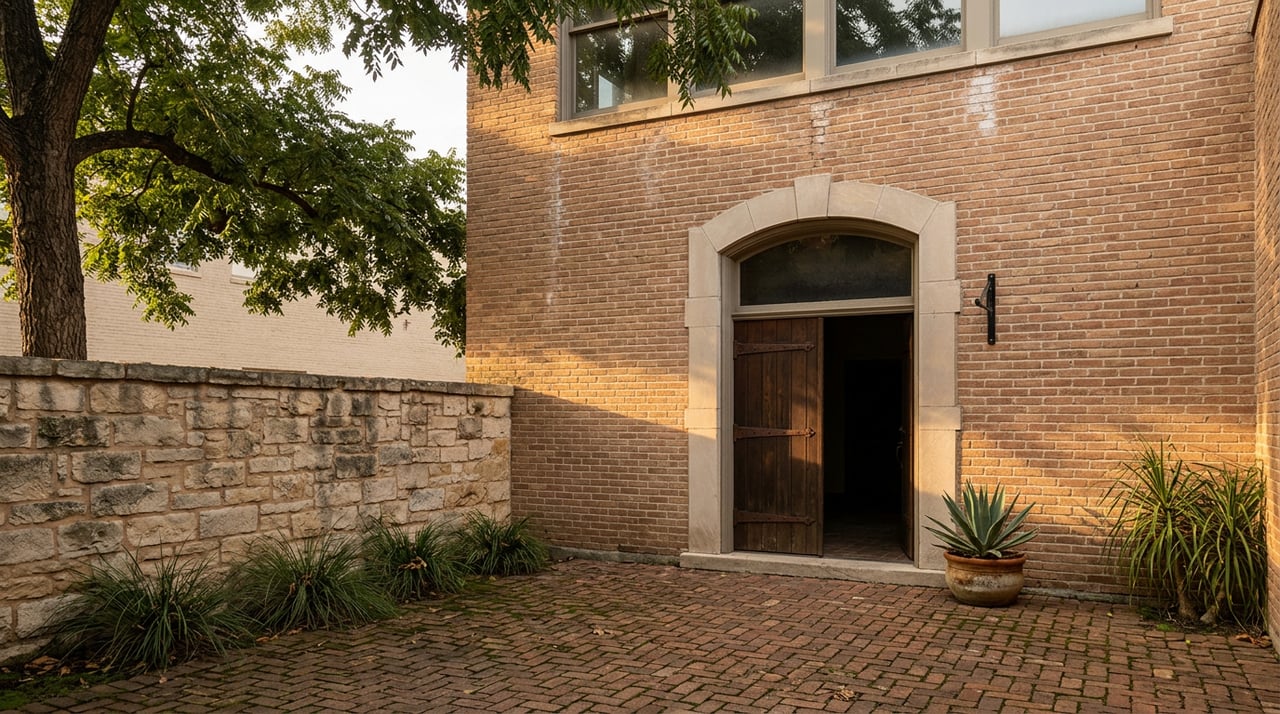
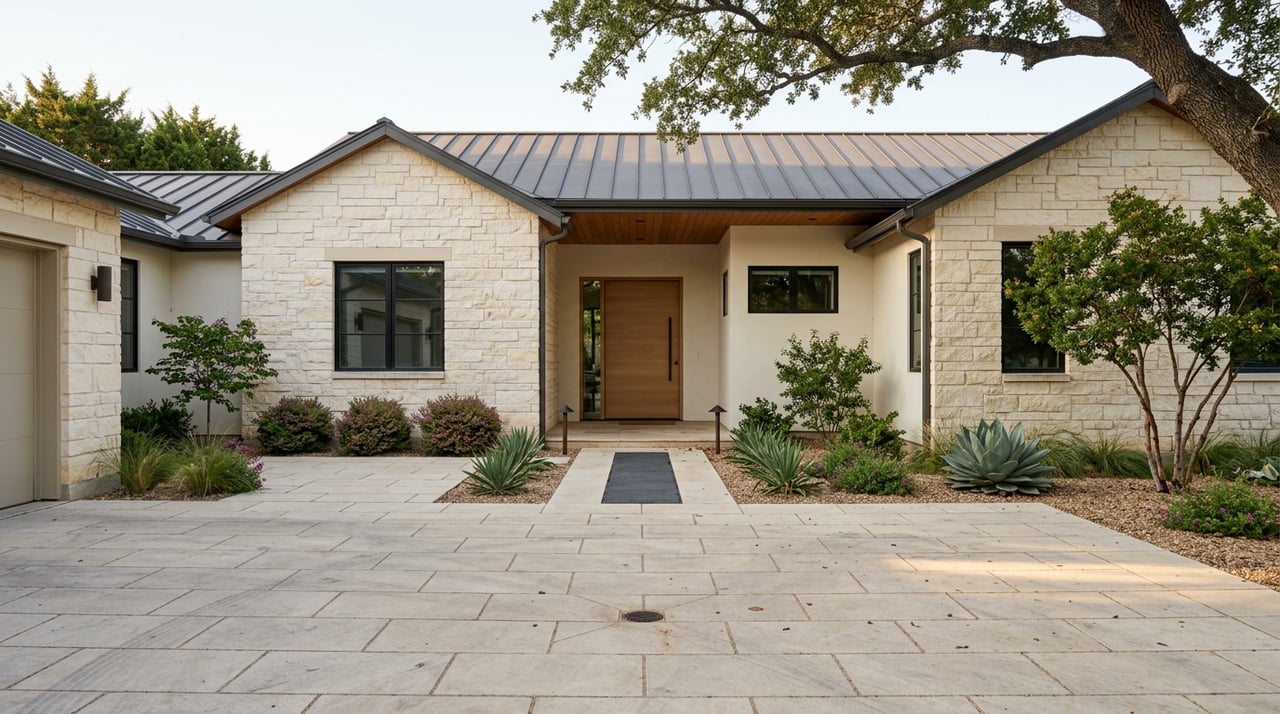
If you want a simpler path for residential use, an in-town or near-town lot may be easier to understand. The City of San Saba code notes that local ordinances may address zoning, building codes, noise, parking, and related topics.
These lots may be more straightforward than rural acreage, but they are usually less flexible if your goal is orchard use, livestock, or broader agricultural activity. In short, convenience often comes with tighter use rules.
What Riverfront Really Means
Frontage is not the same as usability
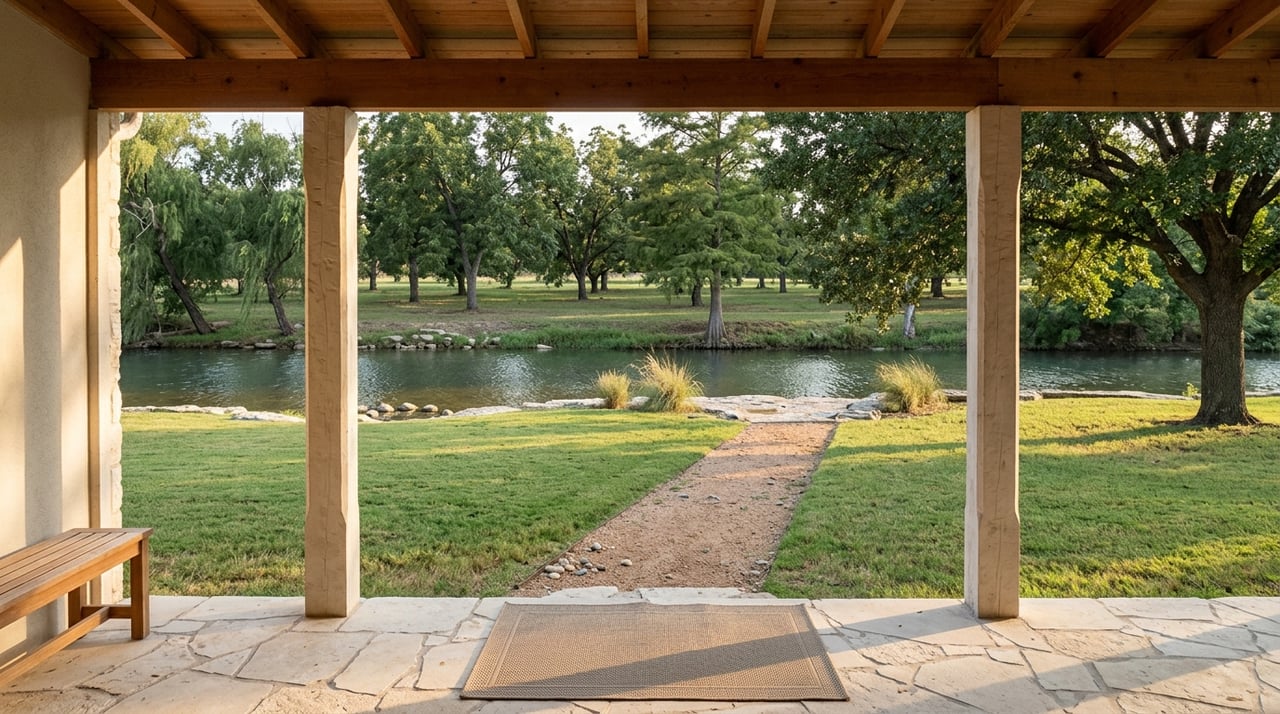
In San Saba, river adjacency on a map does not always mean easy river access on the ground. A tract may touch the river but still have limited practical use because of terrain, vegetation, shallow stretches, or access constraints.
That is why one of the first questions to ask is simple: How usable is the frontage? You want to know whether the property offers direct access, visual proximity only, or a stretch of river that is difficult to enjoy or improve.
Access can change by reach
Texas Parks and Wildlife describes the San Saba River as relatively undeveloped and notes that access varies dramatically from place to place. In one location, even a pecan orchard can block access.
For you, this means every river tract deserves site-specific review. Two properties with similar acreage may offer very different real-world value if one has workable river access and the other does not.
Floodplain review is essential
Floodplain status is one of the biggest practical issues with river property in San Saba. San Saba County maintains floodplain management, and the City of San Saba states that floodplain repairs or rebuilding require a Floodplain Development Application before work begins.
This can affect building plans, improvements, repair work, and long-term costs. A property can be beautiful and still require extra diligence before you buy.
Orchard Ownership Comes With Real Management Needs
Water demand can be significant
Pecan orchards can remain productive for generations, which is part of their appeal. At the same time, they are management-intensive properties, especially when irrigation is involved.
AgriLife notes that mature bearing trees may need more than 200 gallons of water per tree per day during hot weather. If you are considering an orchard, you should review irrigation sources, well capacity, and whether the orchard is managed as dry-land or irrigated acreage.
Flood timing matters for harvest
River-bottom pecan land can benefit from deep soils and moisture, but it also carries risk. AgriLife notes that flooding during fall harvest can destroy a crop.
That means you are not just buying attractive river acreage. You are also evaluating how water helps the orchard and how water may hurt production at the wrong time of year.
Production history matters
An orchard may look healthy from the road, but appearance is only part of the story. You should understand orchard type, age, irrigation setup, harvest access, and whether the tract has been operated for production or used more casually.
In San Saba, those details can influence appraisal treatment, carrying costs, and future plans for the land. This is one reason local market guidance matters on these properties.
Tax and Land-Use Factors to Review
Agricultural appraisal can change the math
Texas property tax rules allow qualifying agricultural and open-space land to be appraised based on productivity value rather than market value. That can make a major difference in annual holding costs.
In San Saba, this is especially important because the county appraisal district clearly distinguishes native pecans, dry-land pecans, and irrigated pecans. Orchard classification is not a minor detail here. It is part of how the property is understood locally.
Wildlife management may matter too
If your long-term plans change, wildlife management may be worth exploring. The Texas Comptroller states that wildlife management can qualify as agricultural use if the land already had qualifying open-space or timber status and is actively managed in at least three qualifying ways.
For some buyers, that creates flexibility. A tract may continue to fit a land-based tax framework even if it shifts away from traditional orchard or livestock use.
Local rules still apply on rural land
Rural property often feels less regulated than in-town property, but infrastructure rules still matter. San Saba County maintains an On-Site Sewage Facility office and permit process, which is an important reminder if the tract includes a homesite or future building plans.
If you are comparing properties inside and outside city limits, be sure to ask how septic, sewer, and development requirements differ. That comparison can affect both timeline and budget.
A Practical Buyer Checklist
Before you buy a riverfront or orchard property in San Saba, review these items closely:
- Exact river access and whether usable frontage is direct, shared, limited by terrain, or mostly visual
- Floodplain status and whether county or city floodplain permitting may apply
- Irrigation source, well capacity, and whether the orchard is dry-land or irrigated
- Current agricultural or wildlife appraisal status and whether the land history supports continued special valuation
- Whether the property falls under city rules or county rules for development, septic, and related improvements
- Harvest access, road access, and how seasonal conditions may affect the tract
How San Saba Differs From a Typical Rural Market
In many rural areas, buyers mostly compare house size, road frontage, fencing, or recreational appeal. In San Saba, you are often evaluating river frontage, orchard type, soil depth, water access, flood exposure, and tax status all at once.
That is what makes this market distinctive. A tract here may offer beauty, production potential, and long-term land value, but only if the property details line up with your goals.
Whether you want a recreational escape, a productive pecan orchard, or a mixed-use Hill Country tract, the best decision starts with a clear picture of how the land actually functions. If you are exploring San Saba acreage and want local guidance grounded in real land use, riverfront factors, and long-term property value, connect with Landmasters Real Estate.
FAQs
What makes San Saba riverfront property different from other Texas rural land?
- San Saba riverfront property often combines scenic river exposure with pecan orchard potential, floodplain considerations, and agricultural appraisal factors, which makes it more complex than a typical rural homesite.
What should you check before buying a San Saba orchard property?
- You should review orchard type, irrigation source, water capacity, harvest access, flood exposure, and current appraisal classification before moving forward.
Does river frontage in San Saba always mean easy water access?
- No. Texas Parks and Wildlife notes that access and recreational utility vary by reach, so a tract may touch the river without offering easy or usable access.
Why does pecan classification matter in San Saba County?
- San Saba County appraisal guidance separates native pecans, dry-land pecans, and irrigated pecans, which means orchard type can affect how land is treated for appraisal and use.
Do rural San Saba properties still need septic or development review?
- Yes. San Saba County maintains an On-Site Sewage Facility permit process, so rural acreage with a residence or future building site still requires infrastructure due diligence.
Can a San Saba land tract qualify for wildlife management valuation?
- It may, if the property already had qualifying open-space or timber status and is actively managed in the ways required by Texas property tax rules.