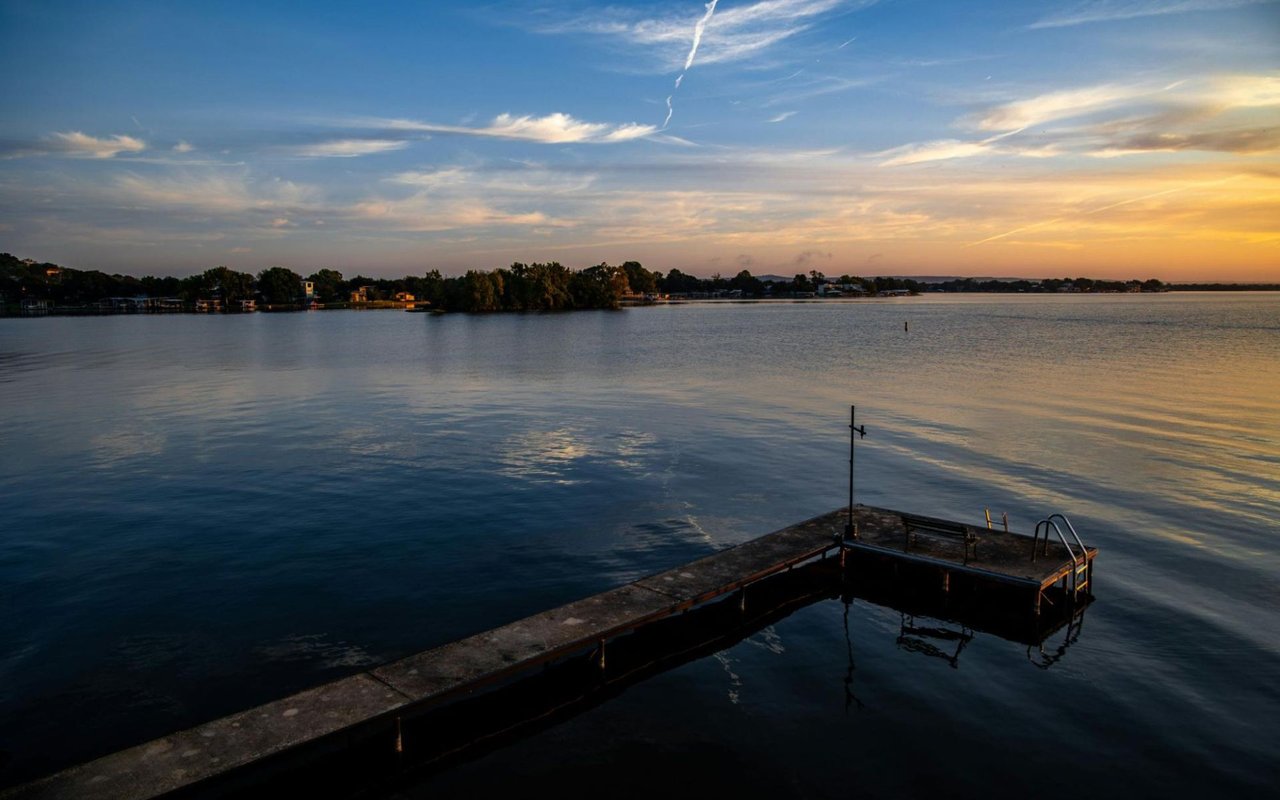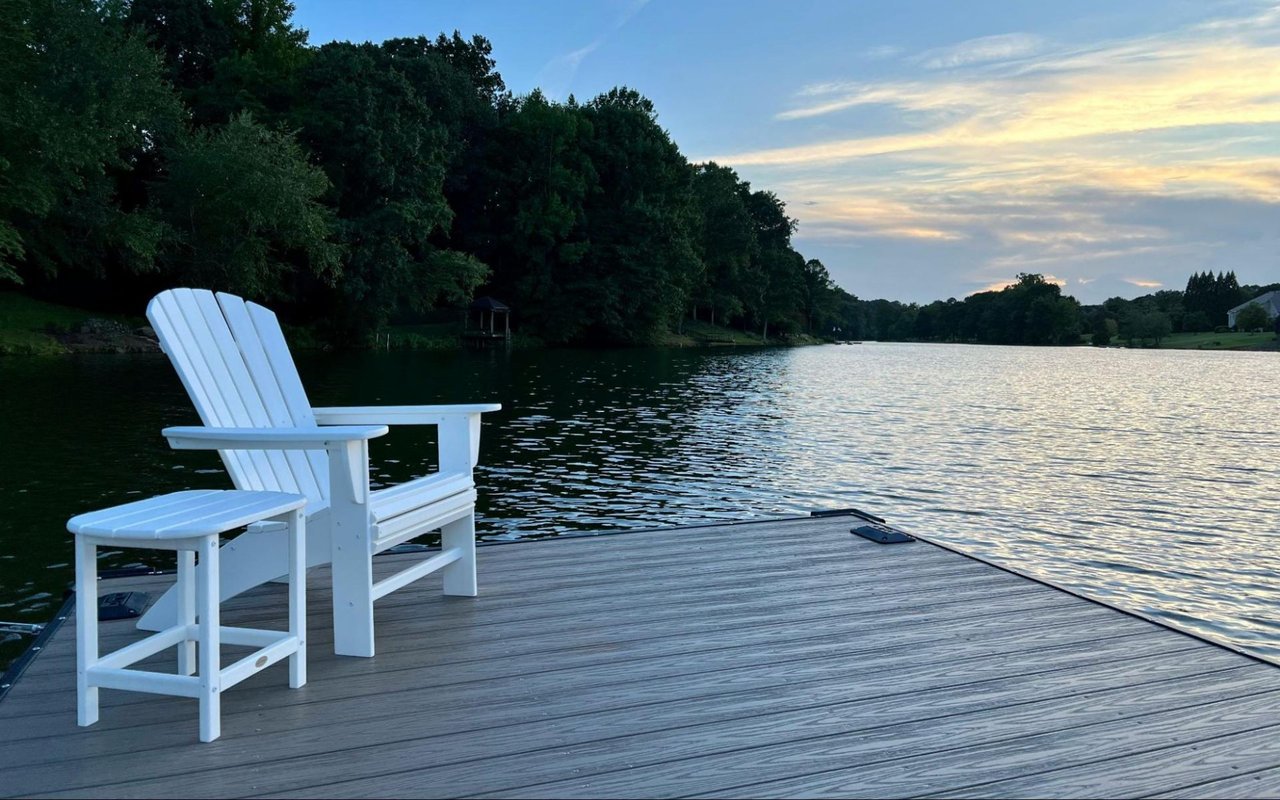
Buying a waterfront home in Sunrise Beach Village should feel exciting, not confusing. You want calm water, reliable access, and a property that holds its value. The details matter on Lake LBJ, from dock rules and water depth to park access and short‑term rental norms. In this guide, you’ll learn what to check, who to call, and how to buy with confidence in Sunrise Beach. Let’s dive in.
Why Sunrise Beach on Lake LBJ
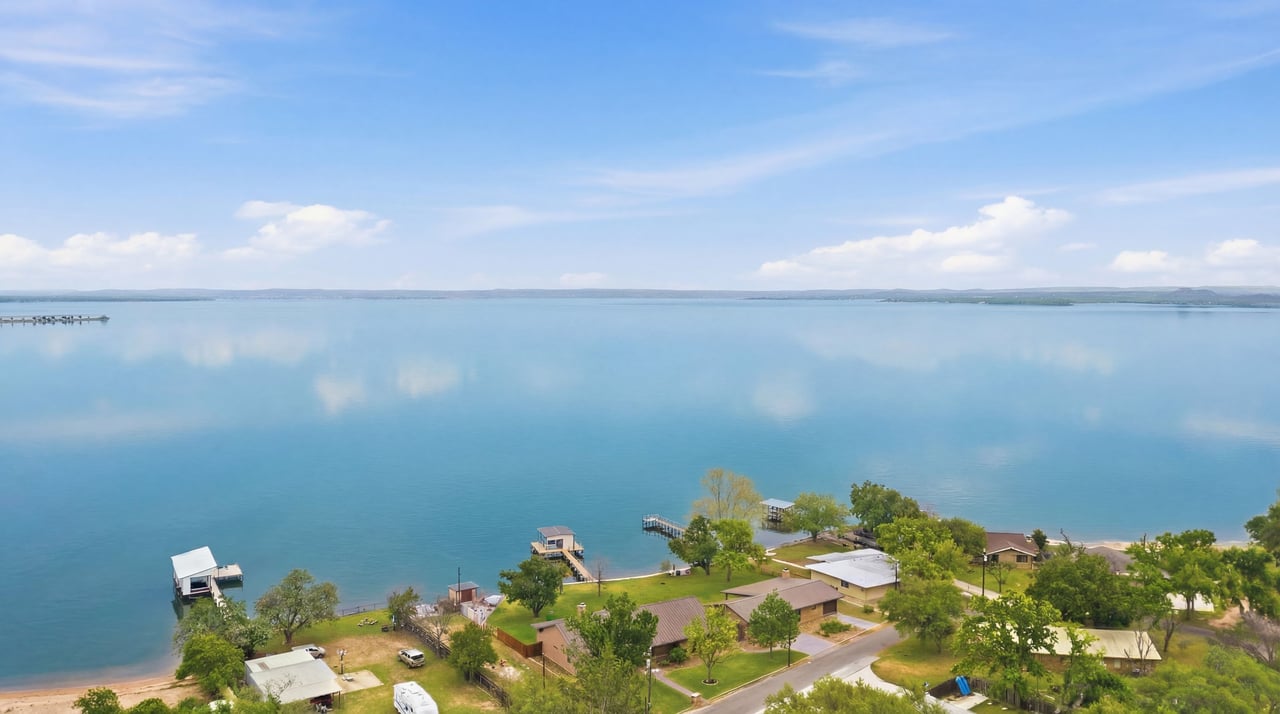
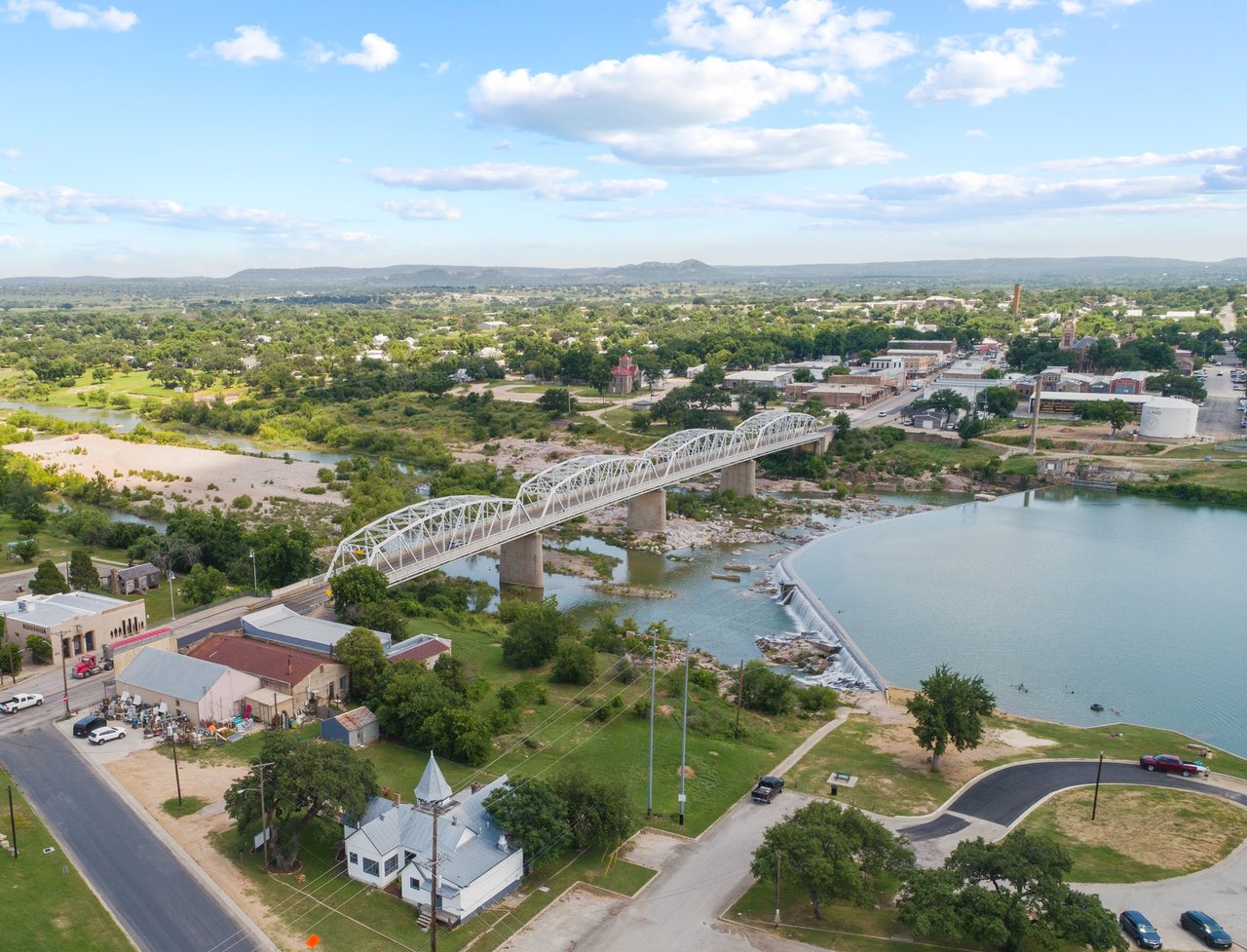
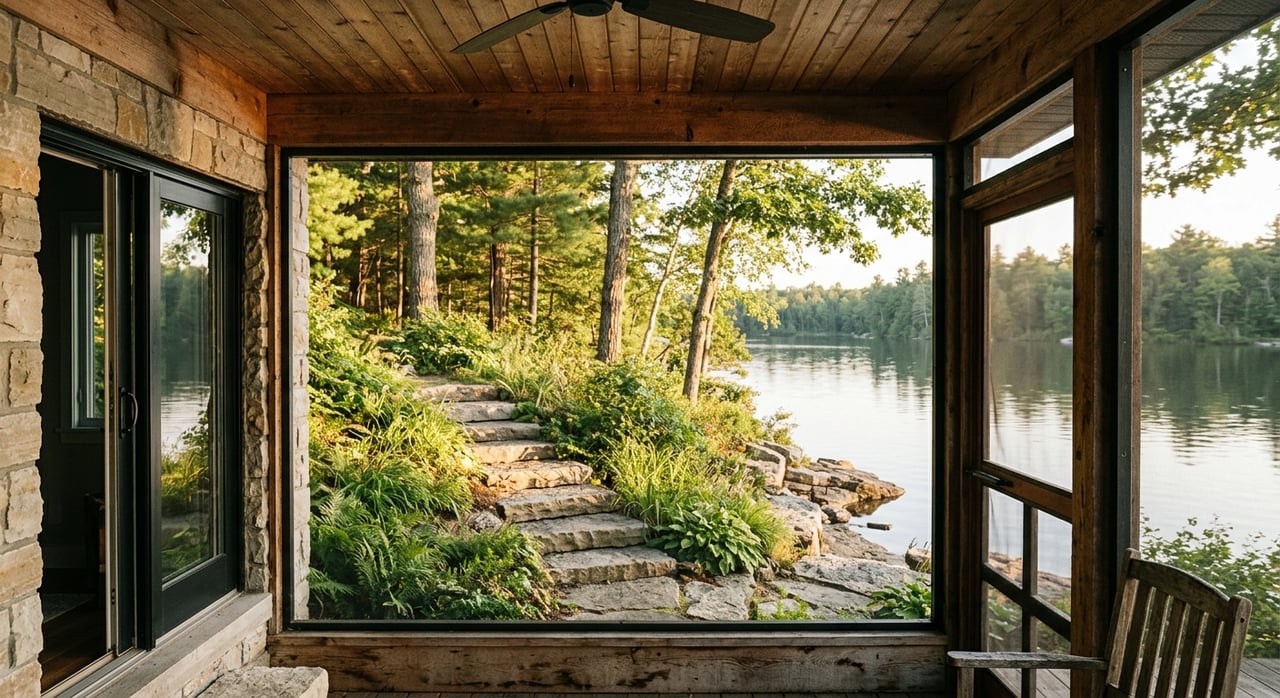
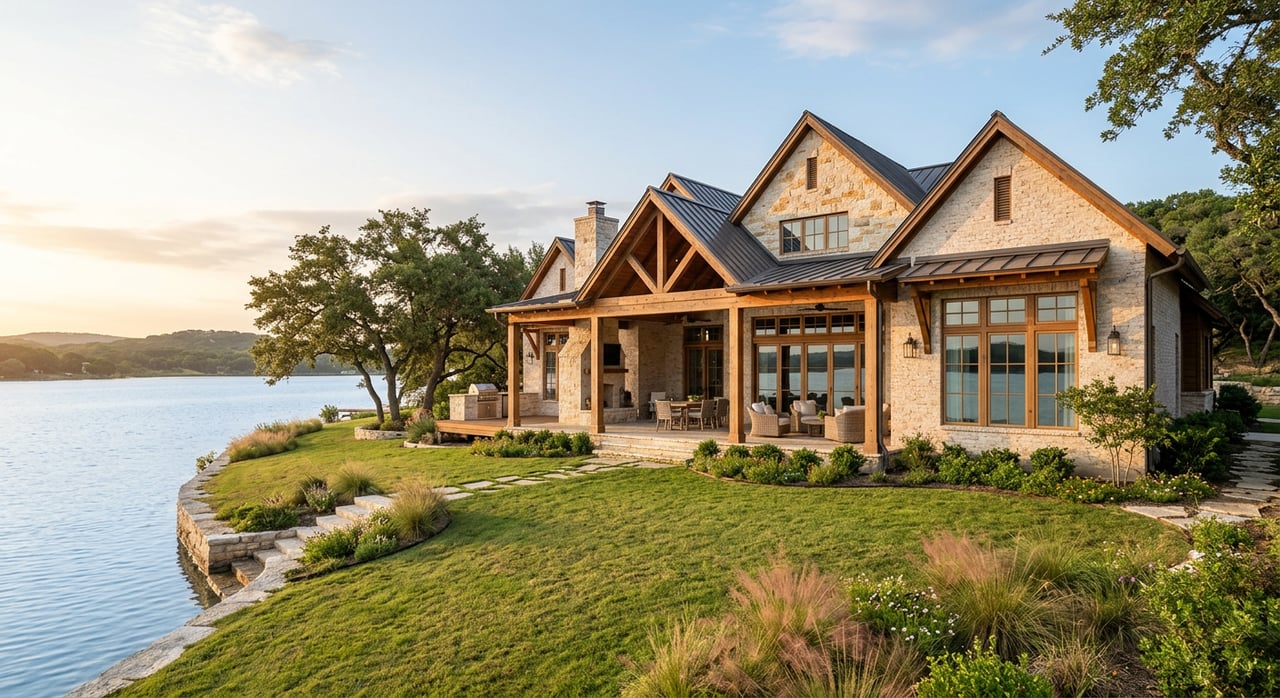
Sunrise Beach Village sits on the south shore of Lake LBJ, a Highland Lakes favorite for year‑round boating. The city maintains five waterfront parks and multiple boat ramps that serve residents and visitors. You can review park locations and amenities on the city’s site for a quick feel of neighborhood access and community character. Explore the city’s park system on the official Sunrise Beach parks and ramps page.
Lake LBJ itself is large and deep by Hill Country standards. Texas Parks and Wildlife lists the lake at about 6,449 surface acres with a maximum depth near 90 feet, and it characterizes LBJ as a “constant level” lake in its public profile. You can see those lake facts on the TPWD Lake LBJ profile.
What “constant level” really means
You often hear that Lake LBJ is constant level. That description comes from how the smaller pass‑through lakes are typically operated within a relatively small band. Still, the Lower Colorado River Authority notes that none of the Highland Lakes are strictly constant. Levels can be adjusted during maintenance or flood operations. Get the full context in LCRA’s official FAQ.
Bottom line: you usually enjoy steady water for boating and lakeside living in Sunrise Beach, with the understanding that levels may change at times for system needs and safety.
Parks and boat ramps: access matters
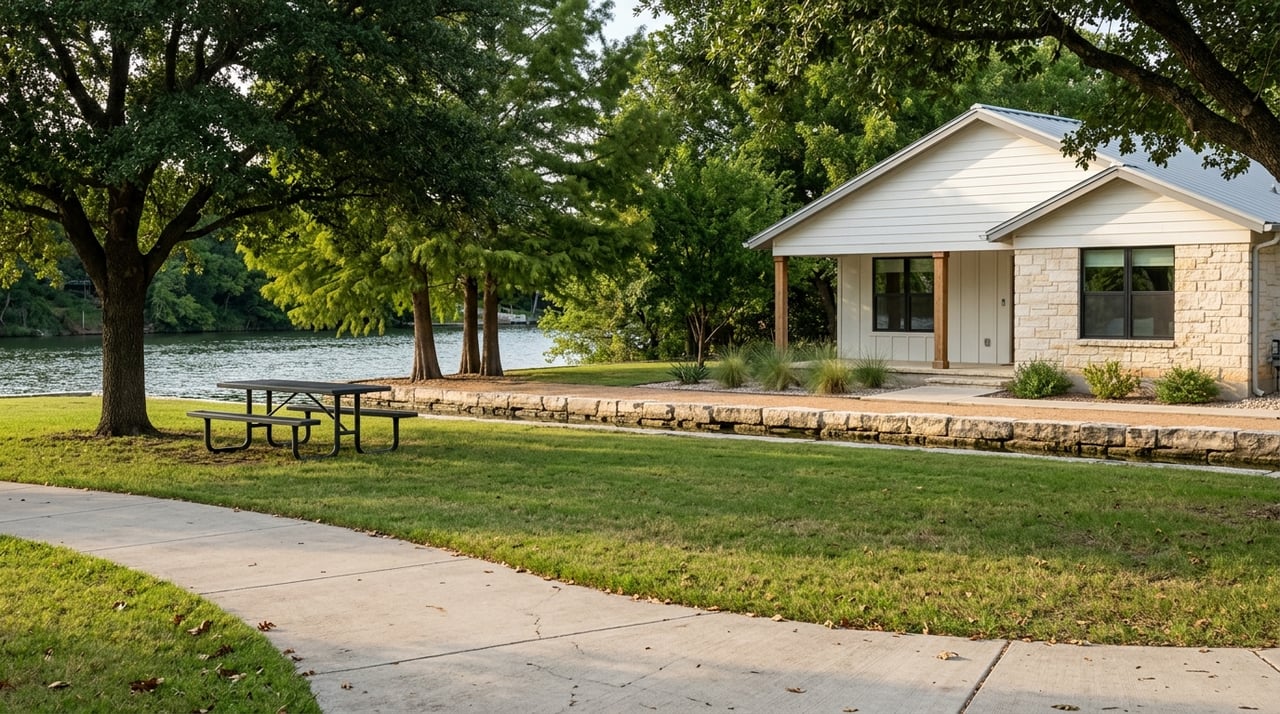
Sunrise Beach operates several lakeside parks, including McNair Park, which features a double ramp and piers. If you host family or friends who bring boats, it pays to confirm which parks have ramps and what rules apply. The city now requires non‑resident daily or annual launch passes for trailered boats, with resident passes managed by the city. Review current rules and application details on the boat launch application page.
A quick plan:
- Check which parks serve your street and how guests can launch.
- Ask about holiday or weekend crowding at ramps and parking.
- Confirm any HOA or neighborhood rules that affect park use.
Docks, bulkheads, and shoreline rules
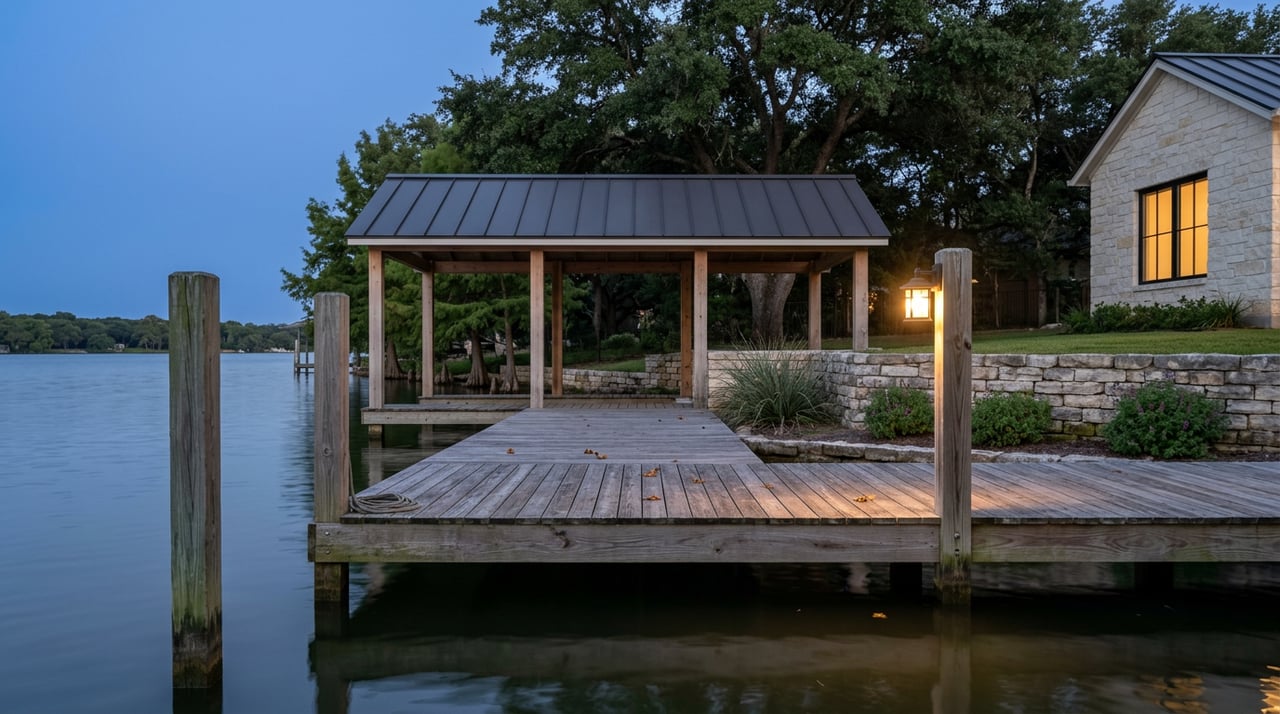
Lake LBJ dock standards are set by the LCRA. Key points for buyers:
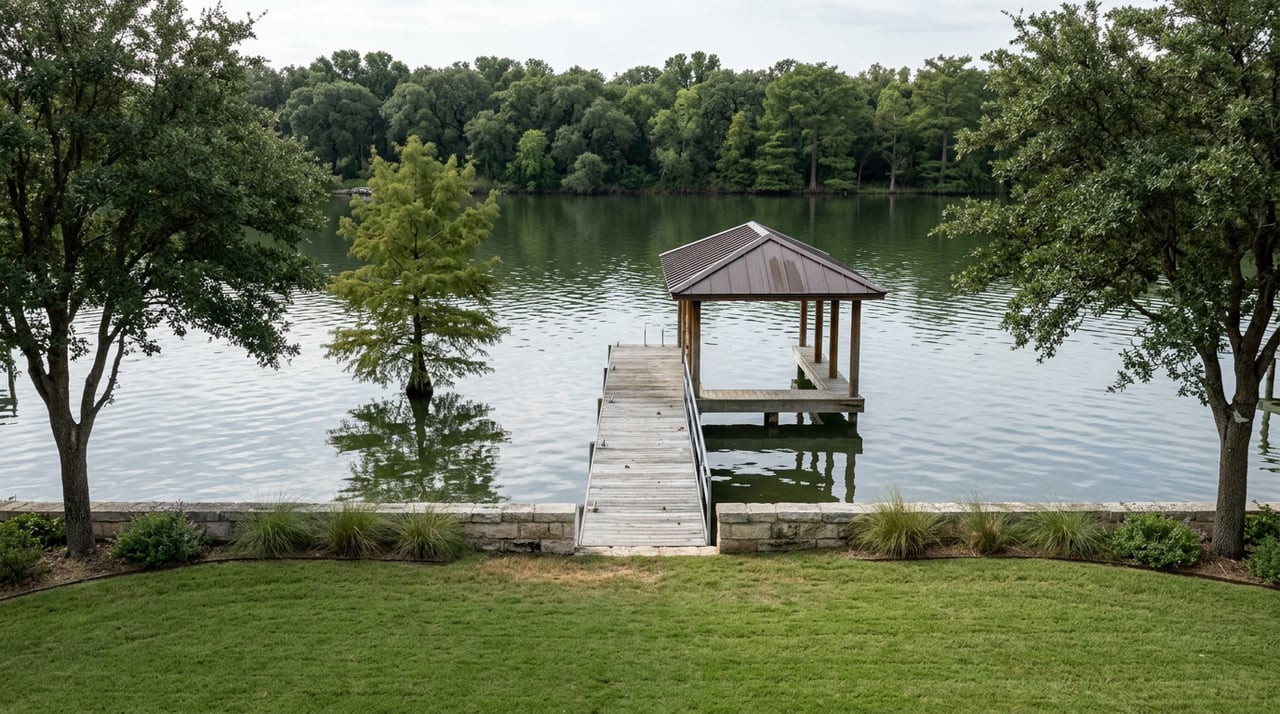
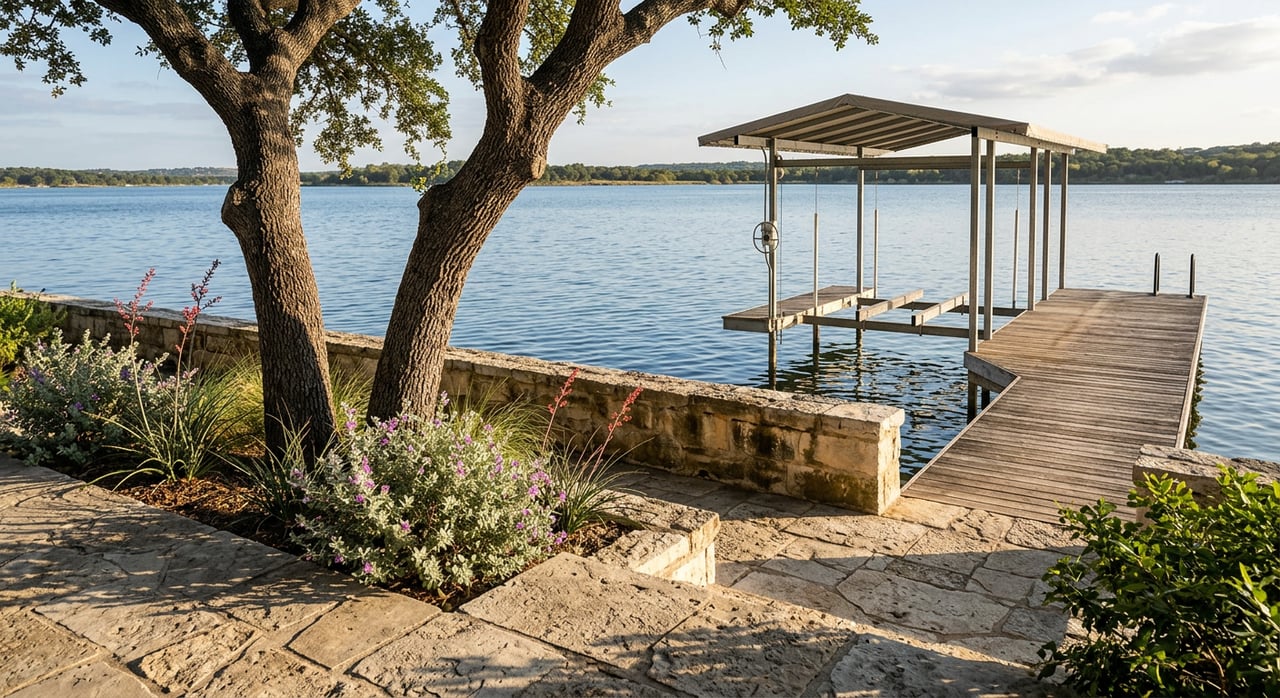
- The maximum residential dock extension on LBJ is 50 feet from the shoreline. Docks are allowed only where the cove provides an additional 40 feet of open water beyond the dock site.
- Residential docks that are 1,500 square feet or less do not require an LCRA dock permit or fee, but they must meet LCRA safety standards for flotation, lighting, anchoring, and setbacks.
- You must own or have permission to use the submerged land under a fixed dock or anchoring area for a floating dock. LCRA does not resolve private boundary disputes, so a current survey and title review are important.
You can read the specifics on LCRA’s docks and marinas standards.
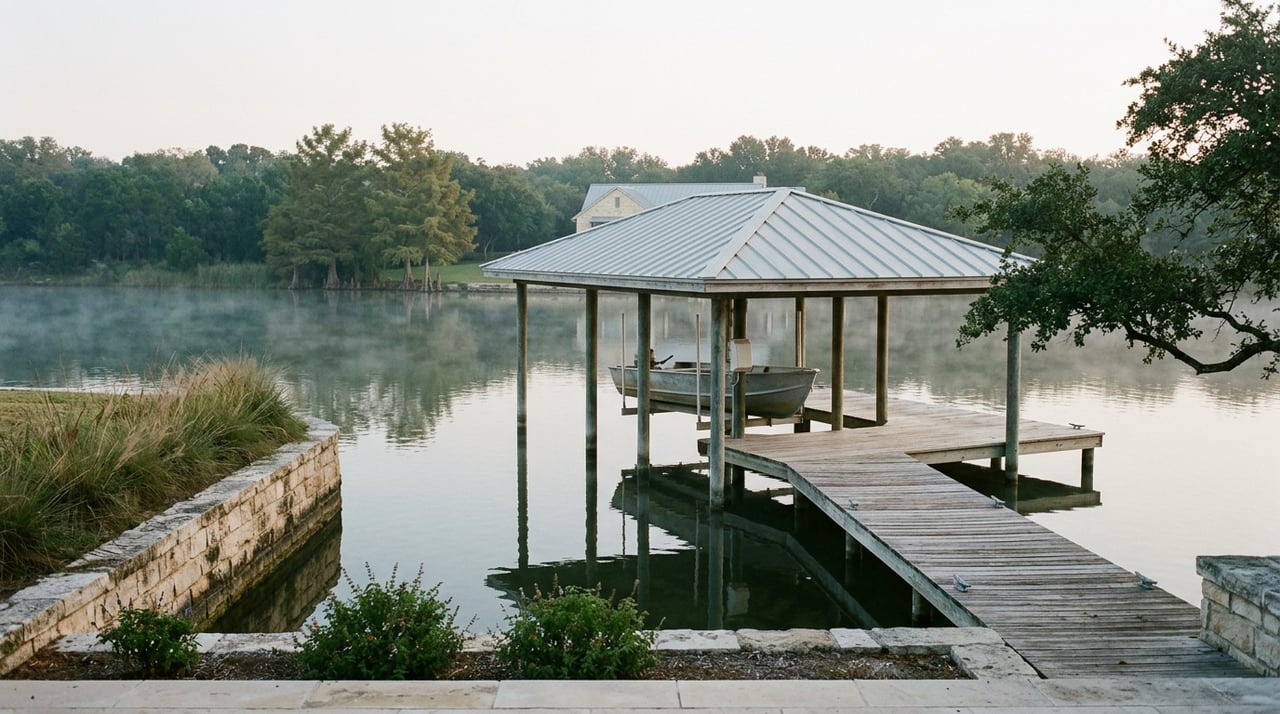
Shoreline armoring is common in Sunrise Beach. Many lots and parks use concrete bulkheads or riprap. If you plan new shoreline work, expect to coordinate with the city for building and flood rules and with LCRA for any dredge or fill activities. Start with the city’s compliance and permits page for local steps.
Water depth, cove orientation, and wake
Depth can vary widely across Lake LBJ. It is generally deeper near the dam end and shallower in upper river arms and coves. For a new purchase, ask for recent depth information next to the lot and plan a contractor depth sounding if needed. Dock design and lift type depend on this.
Cove orientation matters too. Exposure to prevailing winds, nearby wake sources, and the shape of the shoreline affect day‑to‑day use. Visit by boat at different times and on a busy weekend to judge wave action, noise, and traffic. For background on the lake’s basin, review TPWD’s reservoir survey for Lake LBJ.
Short‑term rentals: rules and norms
Sunrise Beach has a residential feel that many buyers value. The city emphasizes resident‑oriented parks and controlled ramp access. If you plan to host short‑term guests, confirm whether your subdivision or parcel has HOA rules or recorded restrictions. Check city guidance and county tax obligations before forecasting rental income.
Texas requires a 6 percent state hotel occupancy tax on short‑term stays. Some platforms may collect the state portion, but owners remain responsible for any local taxes or registrations. Learn the basics on the Texas Comptroller’s HOT FAQ. If guests will launch boats, review the city’s current process on the Sunrise Beach launch application page.
Step‑by‑step due diligence before you close
Use this checklist to protect your waterfront investment. Many items make great offer contingencies.
Request waterfront records from the seller
- Ask for the deed, any shoreline or dock easements, prior surveys, and any dock or marina documentation. LCRA requires owners to show permission to use submerged land where applicable. See LCRA’s guidance on docks and marinas.
Order a current survey and title review
- An ALTA‑style survey should show corners to the water, bulkhead location, and any encroachments. Confirm any recorded easements and shoreline permissions.
Confirm dock status and LCRA compliance
- If a dock exists, have a waterfront contractor inspect flotation, anchoring, and electrical. If no dock exists, ask LCRA Real Estate Services about site suitability and submerged land permissions. Start with LCRA’s docks and marinas standards.
Check local permits and flood rules
- Contact Sunrise Beach for building permits, setbacks, and floodplain procedures. Begin with the city’s compliance and permits page.
Verify flood zone and insurance needs
- Use FEMA’s Flood Map Service Center to look up your parcel’s flood zone and request an elevation certificate. Visit the FEMA map portal.
Confirm utilities and septic
- If the lot uses a septic system, request inspection records and maintenance history. Map the system relative to your planned improvements.
Check environmental items
- Follow Clean, Drain, Dry practices for zebra mussels and confirm any planned aquatic‑vegetation treatments with TPWD or LCRA. The TPWD Lake LBJ profile lists current advisories.
Inspect bulkhead and dock structure
- Hire a local marine contractor to evaluate the bulkhead, pilings, and any foam encapsulation. Plan for lifecycle repairs or upgrades.
Verify short‑term rental rules and taxes
- Check HOA documents and confirm state and local HOT obligations with the Comptroller and local offices. Do not assume platforms remit all taxes on your behalf. See the Texas Comptroller HOT FAQ.
Ask practical neighborhood questions
- Which parks serve your address for launches or gatherings? Any ongoing city or LCRA enforcement related to the shoreline? Has the frontage been dredged since the last survey? The city’s parks and ramps page is a good starting point for contacts.
Field checklist for property tours
Use this quick list during on‑site visits:
- Walk the shoreline and photograph the bulkhead and any dock connections.
- Note cove width, wind exposure, and typical weekend traffic.
- Ask where guests would launch and park trailers.
- Measure water depth at the dock or proposed dock site.
- Confirm utility locations and any septic components near the shore.
- List outstanding permits or approvals you will need to build or modify.
Your local partner on Lake LBJ
Waterfront is a specialty. You deserve a team that knows the lake, the city process, and LCRA rules. LandMasters pairs deep local roots in Llano County with hands‑on waterfront experience to help you evaluate shoreline, verify permissions, and negotiate with confidence. Ready to find the right Sunrise Beach property and make a smart, safe purchase? Connect with Landmasters Real Estate to get started.
FAQs
Is Lake LBJ really “constant level” in Sunrise Beach?
- TPWD lists LBJ as constant level, but LCRA notes levels can change during maintenance or flood operations, so you should expect mostly steady water with occasional adjustments.
What are the dock rules for a Sunrise Beach home on Lake LBJ?
- LCRA caps residential dock extension at 50 feet and requires a 40‑foot open‑water buffer beyond that point; docks 1,500 square feet or less do not need an LCRA permit but must meet safety standards.
Do I need a boat launch permit for guests in Sunrise Beach?
- Sunrise Beach requires non‑resident daily or annual launch passes for trailered boats; confirm which parks have ramps and review the city’s current application process before hosting boat‑towing guests.
How can I check water depth and wake exposure for a Sunrise Beach lot?
- Ask for depth data and schedule contractor soundings, then visit by boat at different times and on a busy weekend to judge cove depth, wind exposure, and wave action.
What short‑term rental taxes apply to a Sunrise Beach waterfront home?
- Texas imposes a 6 percent state hotel occupancy tax and local taxes may apply; platforms may collect the state portion but owners remain responsible for any local filings and payments.
How do I confirm flood risk for a Sunrise Beach waterfront property?
- Use FEMA’s map portal to look up the parcel’s flood zone and obtain an elevation certificate, then get a flood insurance quote from a local carrier before you close.