If you are selling a home or small acreage in Llano, your price is about more than square footage. Buyers here often look just as hard at the land, utility setup, river influence, and paperwork as they do at the house itself. When you know what really drives value in this market, you can price more confidently, prepare more strategically, and avoid surprises once your property hits the market. Let’s dive in.
Llano pricing starts with market context
Llano sits in a market where both homes and land play a major role in value. As of February 2026, Realtor.com reported a median home price of $450,000 in Llano, with 194 homes for sale and a median 117 days on market, while Zillow’s Llano County data showed a typical home value of $454,473 and 538 listings. In other words, buyers usually have options, and that makes property-specific details matter even more.
Land also carries real weight in this area. Llano County’s 2025 certified appraisal roll included 10,071 vacant lots and land tracts and 2,243 rural land properties, which helps explain why sellers are often judged on more than the residence alone. According to the Llano market data cited by Realtor.com, and county appraisal materials, your price can be shaped by land quality, access, improvements, and documentation.
Land value matters in Llano
For many Llano properties, especially small acreage, buyers are not using a simple price-per-square-foot mindset. The Llano CAD appraisal manual explains that land value is based on market transactions and that tracts may be valued per acre, per square foot, or by whole-lot value depending on the property type. It also notes that age, condition, extra improvements, and land value directly affect value.
That means two homes with similar interiors can perform very differently if one sits on more usable land, has better access, or includes documented improvements. For small acreage sellers, the land is often part of the product, not just the setting.
Usable acreage affects buyer interest
Not every acre is viewed the same way. Buyers often want to know how much of the property is functional for everyday use, storage, recreation, access, or future plans. A tract that looks strong on paper but has floodplain limitations, difficult terrain, or unclear access may not bring the same response as one with straightforward usability.
Documentation supports value
When buyers cannot quickly verify what they are getting, they tend to get cautious. Surveys, improvement records, permits, and utility documents help reduce uncertainty. In a market where land features are a major value driver, clear records can support stronger pricing and smoother negotiations.
River access can help, but so can clarity
The Llano River is an important local feature, and river proximity can influence how buyers view a property. Llano County describes the river as part of the county’s Hill Country terrain, and the City of Llano uses surface water from the downtown Llano River for its public water system. That makes river-related properties appealing to some buyers, but it also brings added practical questions.
A river setting may improve the lifestyle appeal of a property, especially if there is access, frontage, or attractive views. At the same time, buyers will usually look closely at flood exposure, development limits, and whether the tract falls within a regulated flood area.
Floodplain status can affect price
Llano County’s flood damage prevention order requires a floodplain development permit before construction or other development begins in special flood-hazard areas, using FEMA Flood Insurance Rate Maps effective January 29, 2021. The county’s OSSF site-evaluation process also asks for floodplain determination information.
For you as a seller, that means river frontage or proximity is rarely a stand-alone value boost. Buyers tend to weigh the appeal of water and views against floodplain status, access, and future use limitations. The stronger your documentation, the easier it is to explain where your property stands.
Improvements can raise value when they are functional
On a Llano home or small acreage tract, extra structures often matter. The Llano CAD appraisal manual states that items like covered porches, patios, fireplaces, storage buildings, swimming pools, and additional bathrooms can contribute to value. On acreage, buyers may also focus on barns, shops, detached garages, docks, or carports.
The key is that these improvements tend to help most when they are useful, maintained, and clearly documented. A shop or barn is more than “bonus space” if a buyer understands its condition, size, and permitting history.
Common improvements buyers notice
Some of the improvements that may influence pricing or buyer confidence include:
- Barns and storage buildings
- Detached garages and carports
- Shops or workspaces
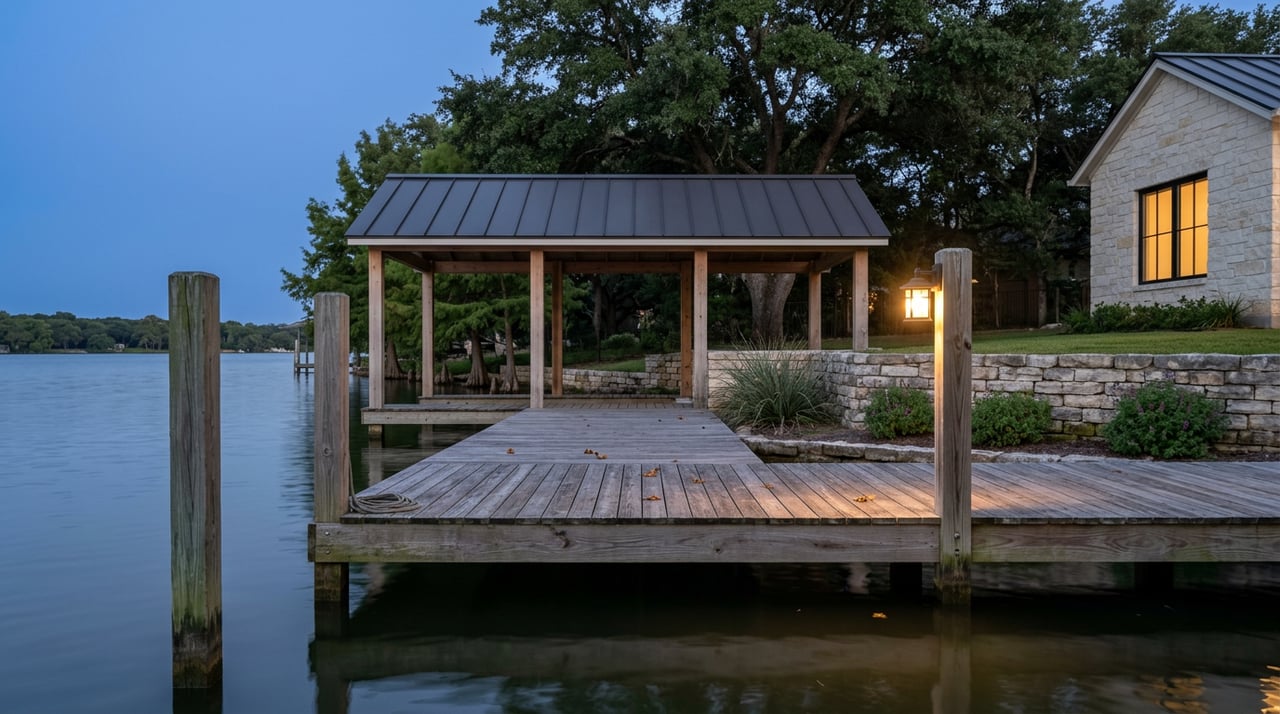
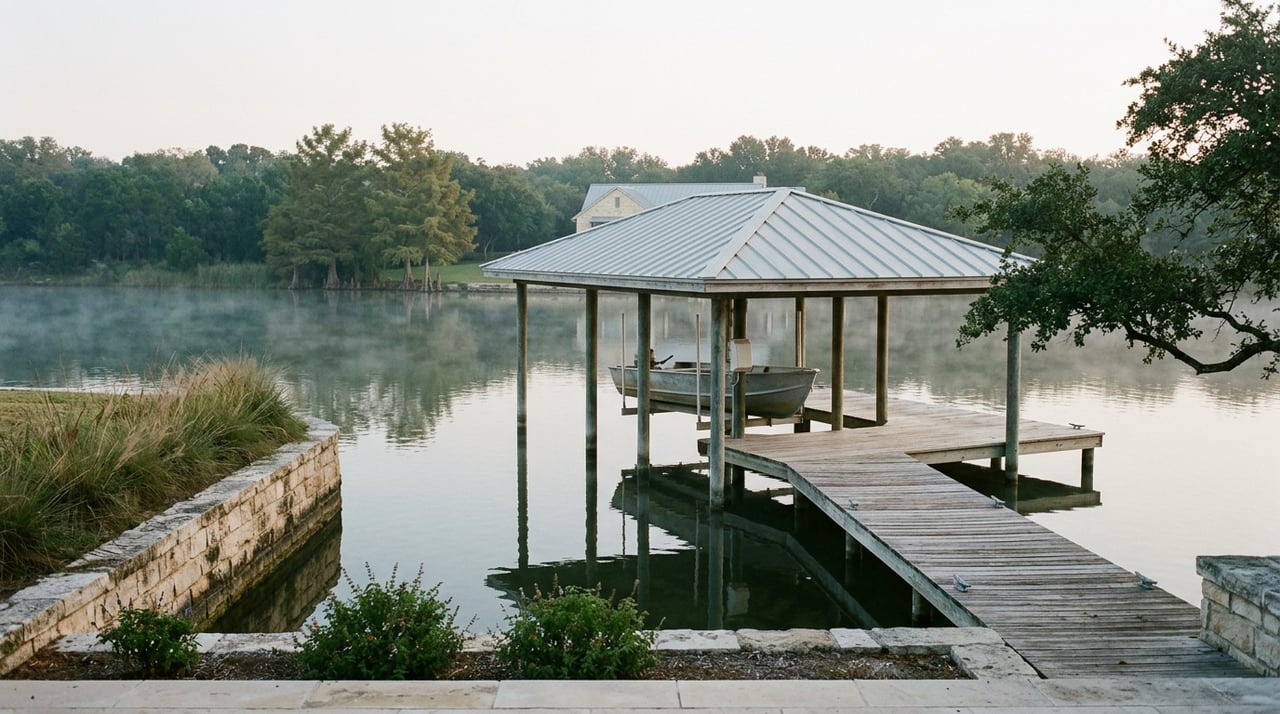
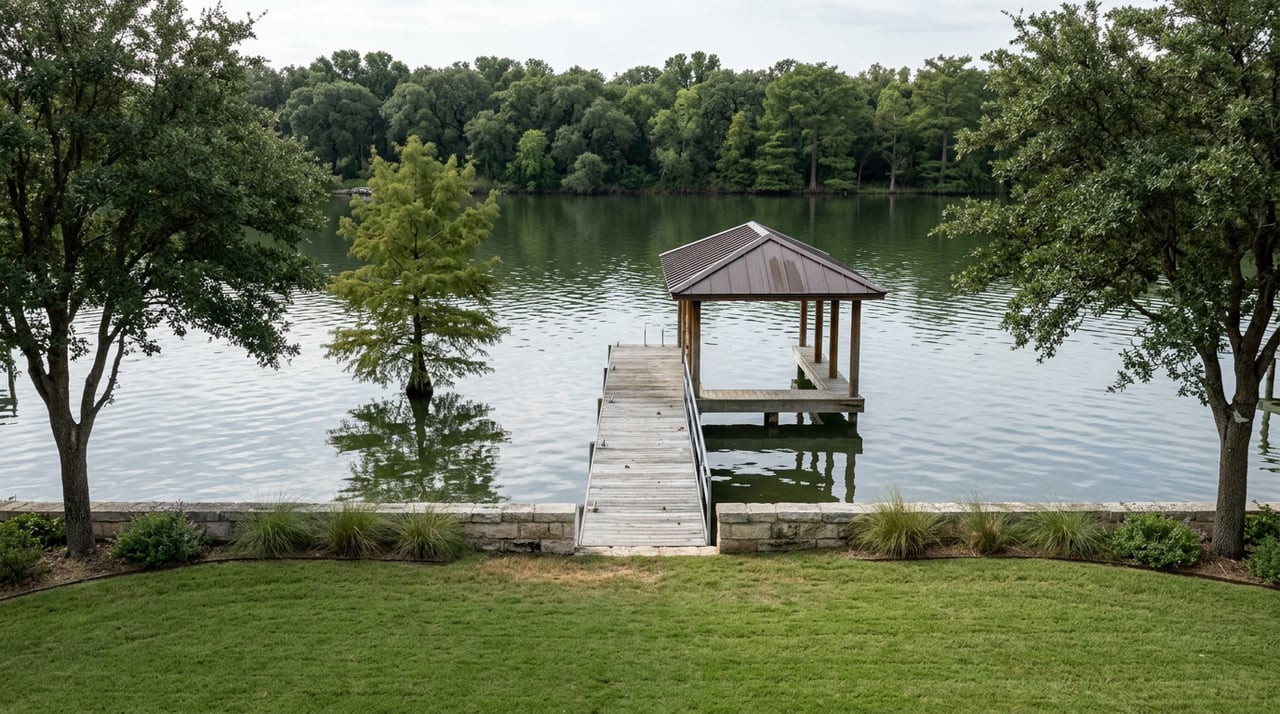
- Boat docks
- Retaining walls
- Driveways, culverts, and drainage work
- Fencing
- Wells and septic systems
Llano County’s development materials also treat many of these items as development-related features, which is one more reason buyers often ask about permits and records early in the process.
Wells and septic systems shape buyer confidence
One of the biggest pricing differences between in-town property and acreage in Llano is utility setup. The City of Llano Water & Wastewater Department provides water and wastewater service in town, but many rural properties rely on private wells and on-site sewage facilities.
That setup does not automatically reduce value. But it does mean buyers usually want more information before they feel comfortable paying top dollar.
What buyers often want to see
Llano County’s OSSF materials ask for details such as well size, depth, year drilled, and whether a well log is available. The Texas Real Estate Commission Seller’s Disclosure Notice also asks about septic systems, water supply, known defects, and repairs.
If you can provide records up front, you make it easier for buyers to understand the property and easier for them to move forward. Missing records do not always stop a sale, but they can slow the process and create room for price pushback.
Paperwork is one of your biggest pricing tools
Many sellers focus first on paint, landscaping, or minor touch-ups. Those steps can help, but for a Llano home or small acreage property, the most valuable prep is often documentary.
According to Llano County septic and development materials, useful records may include septic permits, service history, survey documents, floodplain determinations, well information, and receipts or permits for additions and site work. These details can answer buyer questions before they turn into objections.
Smart documents to gather before listing
Try to have these items ready if they apply to your property:
- Survey or boundary documents
- Septic permit and service records
- Well log or drilling information
- Floodplain determination
- Receipts or permits for barns, shops, docks, fences, or additions
- Records for driveway, culvert, drainage, or retaining wall work
Buyers commonly ask whether the well is documented, whether the septic system is permitted, whether improvements were approved, and whether any part of the land is in the floodplain. The more clearly you can answer those questions, the stronger your position can be.
Timing still matters in Llano
Seasonality can influence how your property shows and how buyers respond. Realtor.com’s 2026 best time to sell report says spring remains the prime selling season nationally, with April 12 through 18 identified as the best week to list a home. It also notes that better weather, stronger natural light, and improved curb appeal can help homes show well.
In Llano, those seasonal factors may matter even more for acreage and river properties because the land itself is part of what you are selling. Green-up, clearer access, visible fence lines, and better-looking improvements can all make a stronger impression in spring.
Start prep earlier than you think
Timing matters for paperwork too. Llano County says non-floodplain determinations can take about 7 to 10 business days, while floodplain development review, septic permits, and commercial work can take longer through Development Services. If you plan to make updates or gather missing records before listing, it is wise to start early.
Llano prices differently than nearby lake markets
Sellers sometimes compare their property to nearby waterfront communities and expect the same pricing logic to apply. That can create unrealistic expectations.
Nearby lake-oriented markets often place stronger emphasis on water-level consistency, dock utility, and waterfront identity. For example, Texas Parks and Wildlife notes that Lake LBJ has a constant-level fluctuation pattern, while Llano properties often compete more on land usability, river access, improvement quality, and rural infrastructure.
Why the comparison matters
Research in your report also shows higher typical home values in some nearby lake-focused communities than in Llano proper. That does not mean a Llano seller should discount their property. It simply means your pricing strategy should reflect what buyers in Llano are actually buying: usable land, documented improvements, condition, and clear utility information.
Focus on what buyers can verify
The biggest takeaway is simple. In Llano, price is often shaped less by a generic formula and more by usable land, property condition, permitted improvements, utility documentation, and floodplain clarity.
If you are planning to sell, your goal is not just to make the property look good. It is to make the value easy to understand. When buyers can see the land, verify the improvements, and review the right records, you put yourself in a better position to price well and negotiate from strength.
If you want help understanding how your home or small acreage fits today’s Llano market, connect with LandMasters Real Estate. With deep local roots in Llano County and decades of Hill Country market experience, the team can help you evaluate the property features and documentation that may matter most before you list.
FAQs
What impacts the price of a home or small acreage in Llano most?
- In Llano, price is often influenced by usable land, condition, documented improvements, well and septic setup, and floodplain status, not just the home’s square footage.
What documents should you gather before selling property in Llano?
- Useful documents can include a survey, septic permits and service records, well logs, floodplain determinations, and receipts or permits for barns, shops, docks, fences, additions, or drainage work.
Do barns, shops, and detached garages add value to Llano property?
- They can add value when they are functional, maintained, and clearly documented, because buyers often view them as part of the overall utility of the property.
Does river proximity increase property value in Llano?
- It can improve buyer interest, especially when access or views are strong, but buyers also weigh floodplain status, development limits, and usability before deciding what the property is worth.
How do wells and septic systems affect a Llano home sale?
- For rural property, wells and septic systems often affect buyer confidence because buyers want clear information about permits, condition, service history, and available records.
When is the best time to list a home or acreage property in Llano?
- Spring is often a strong listing season, and it can be especially helpful for acreage because land features, access, and improvements may show better with greener conditions and better light.