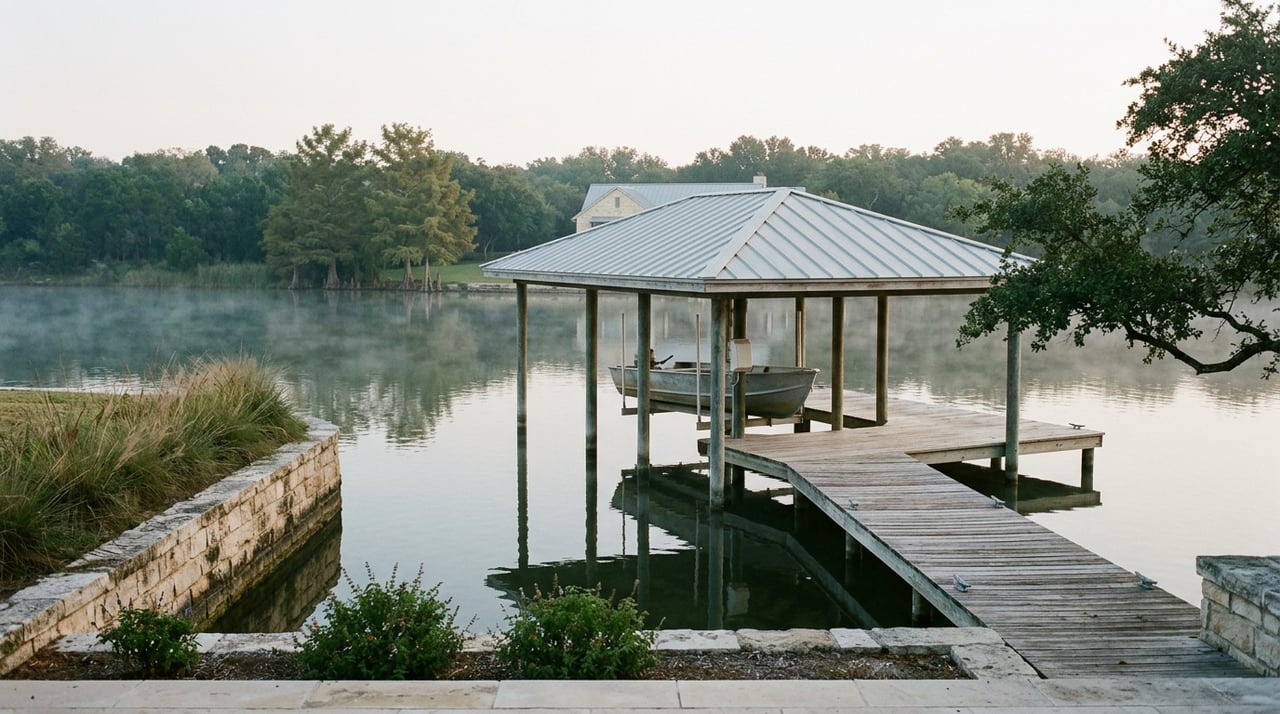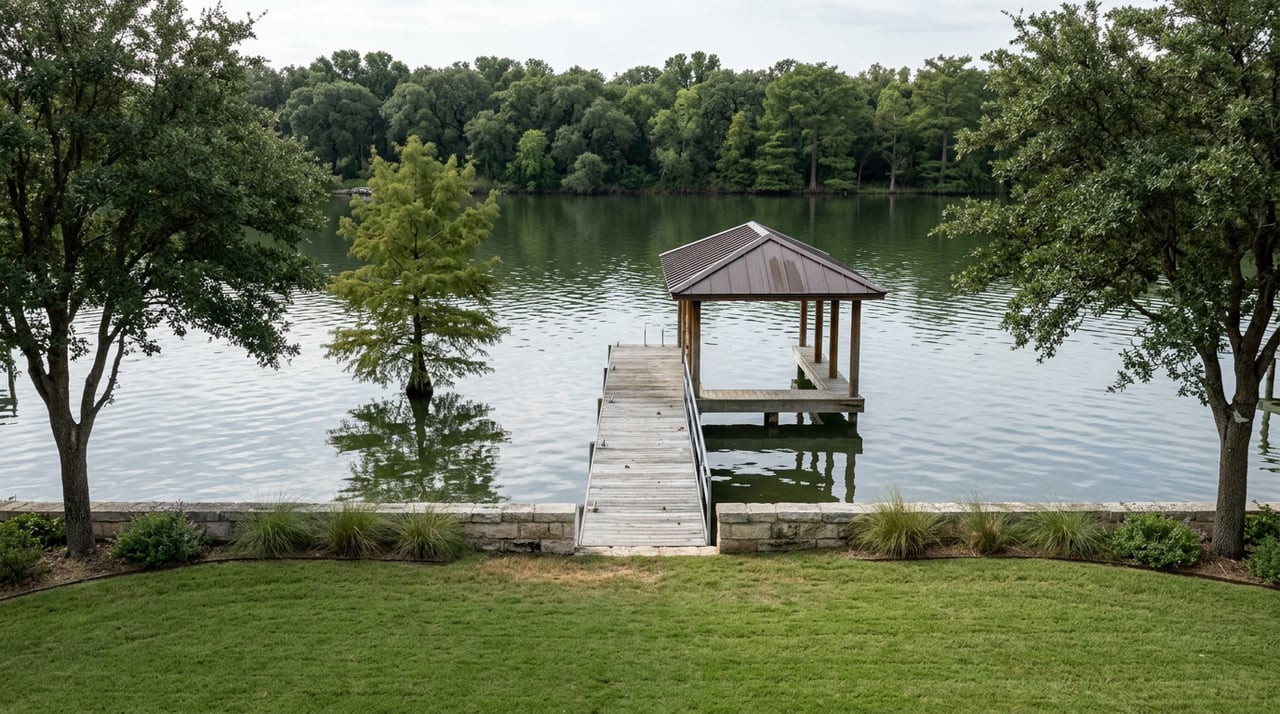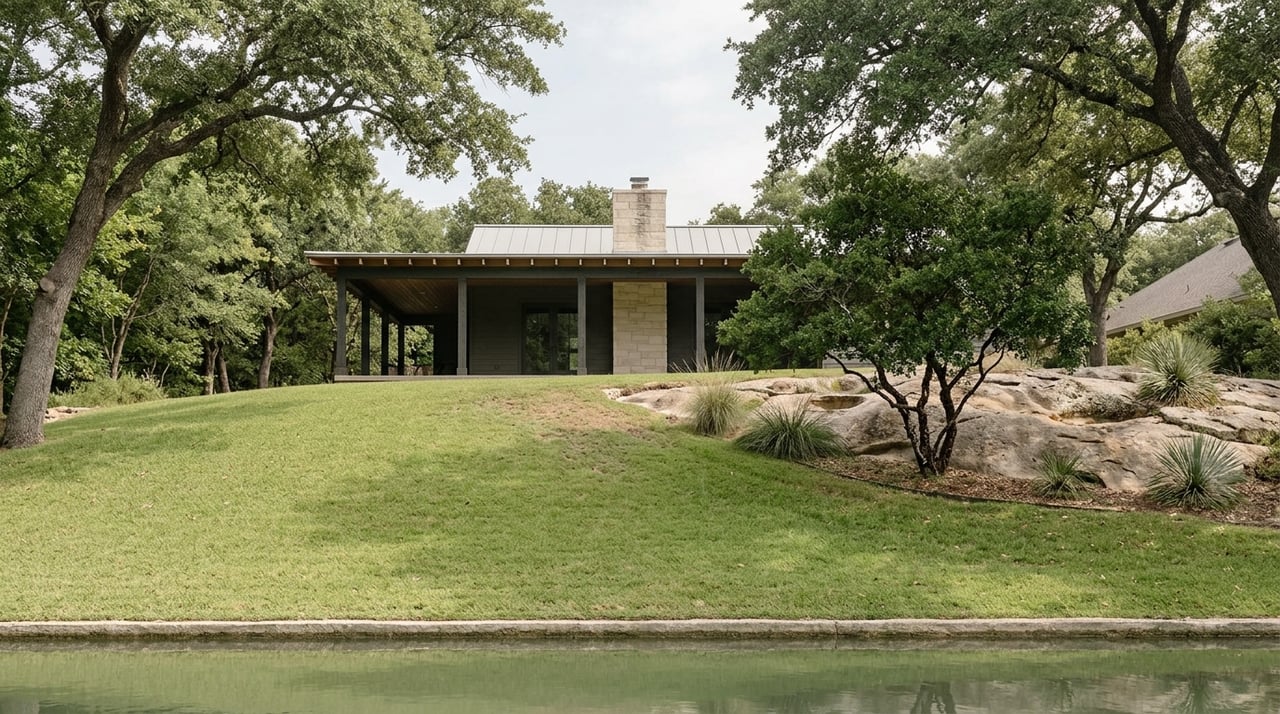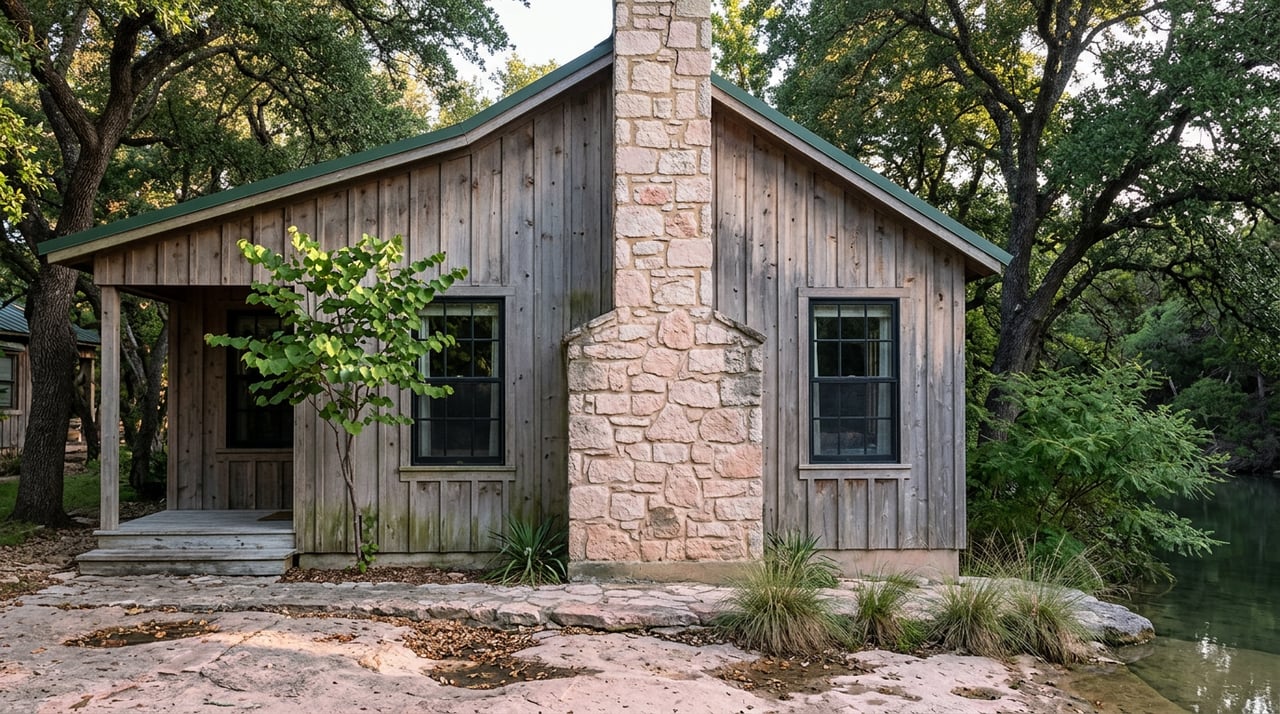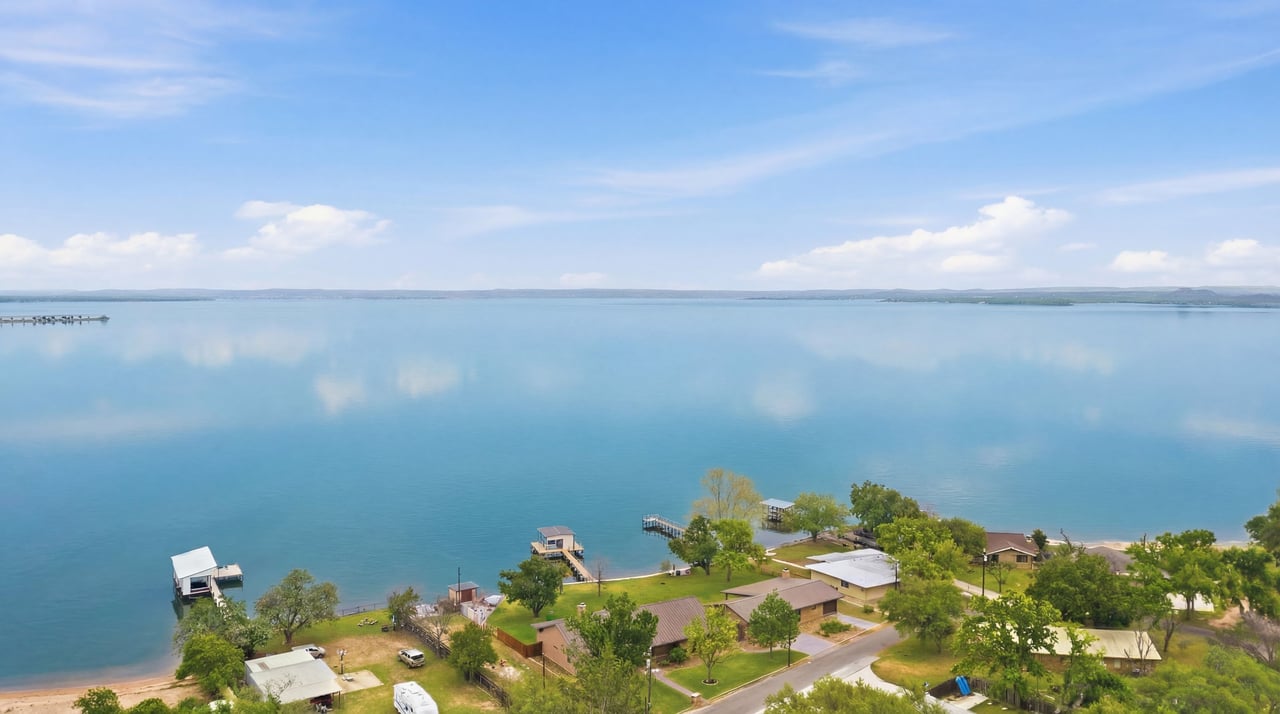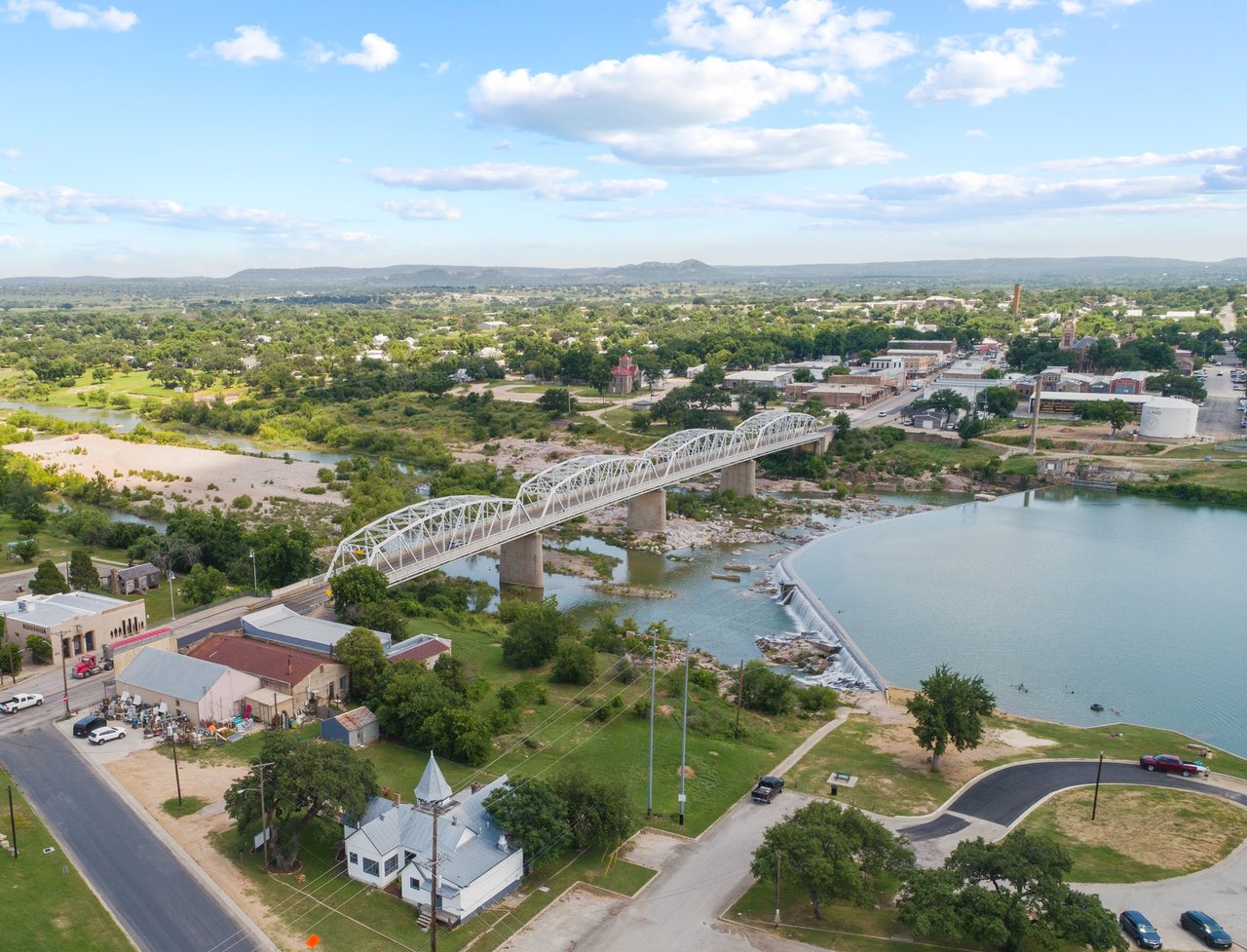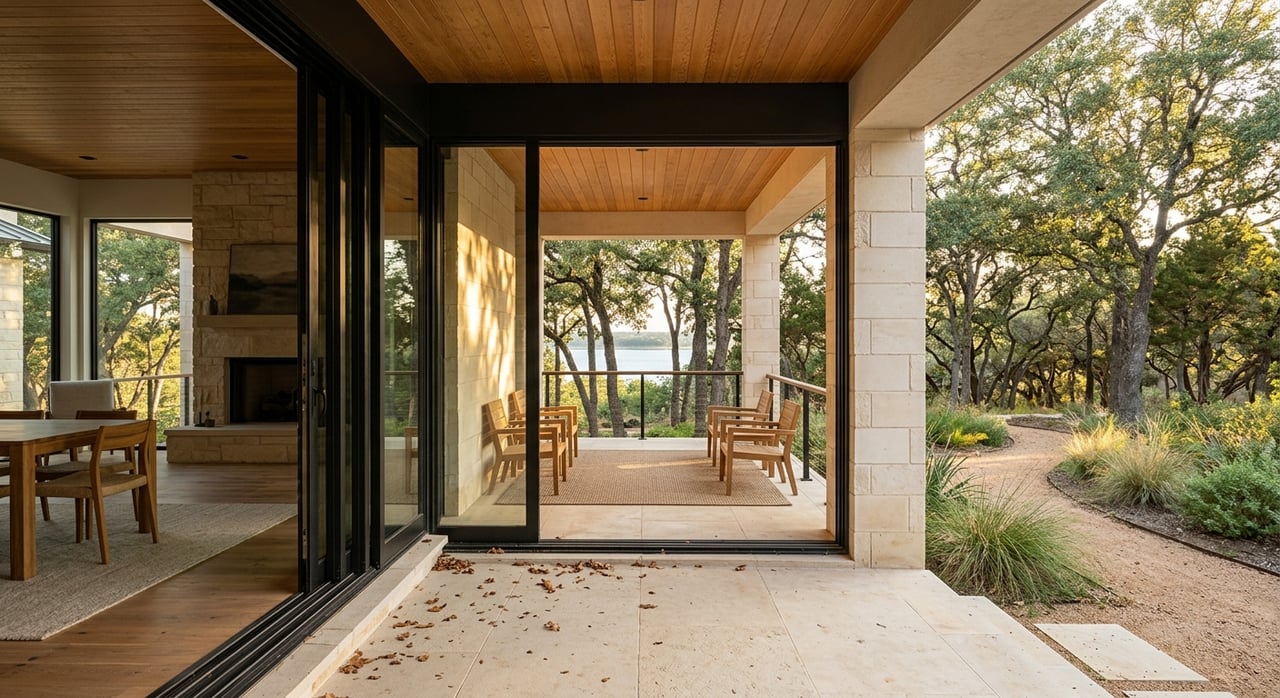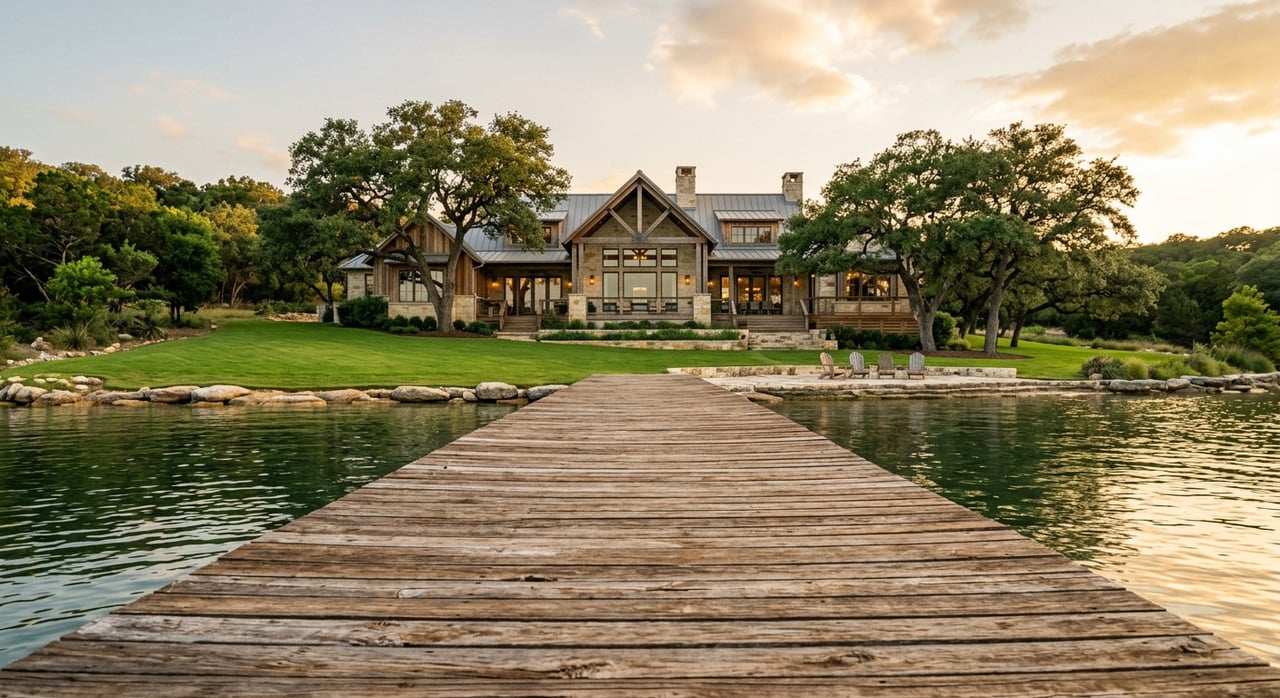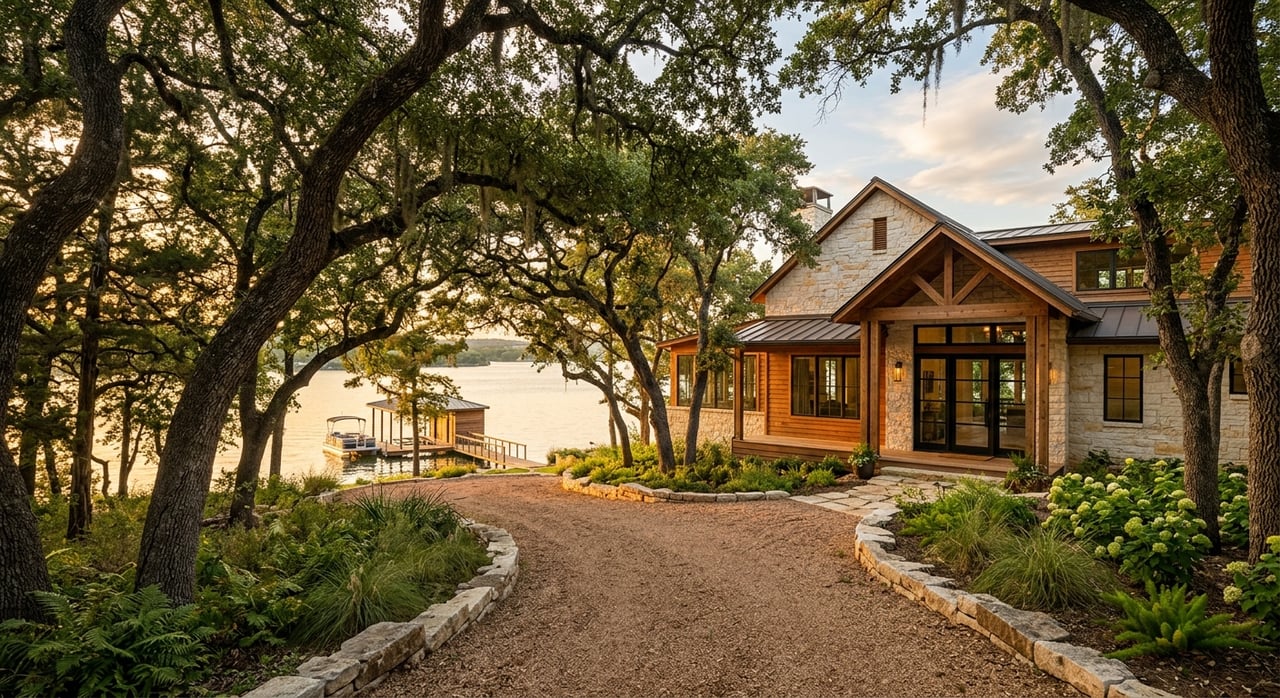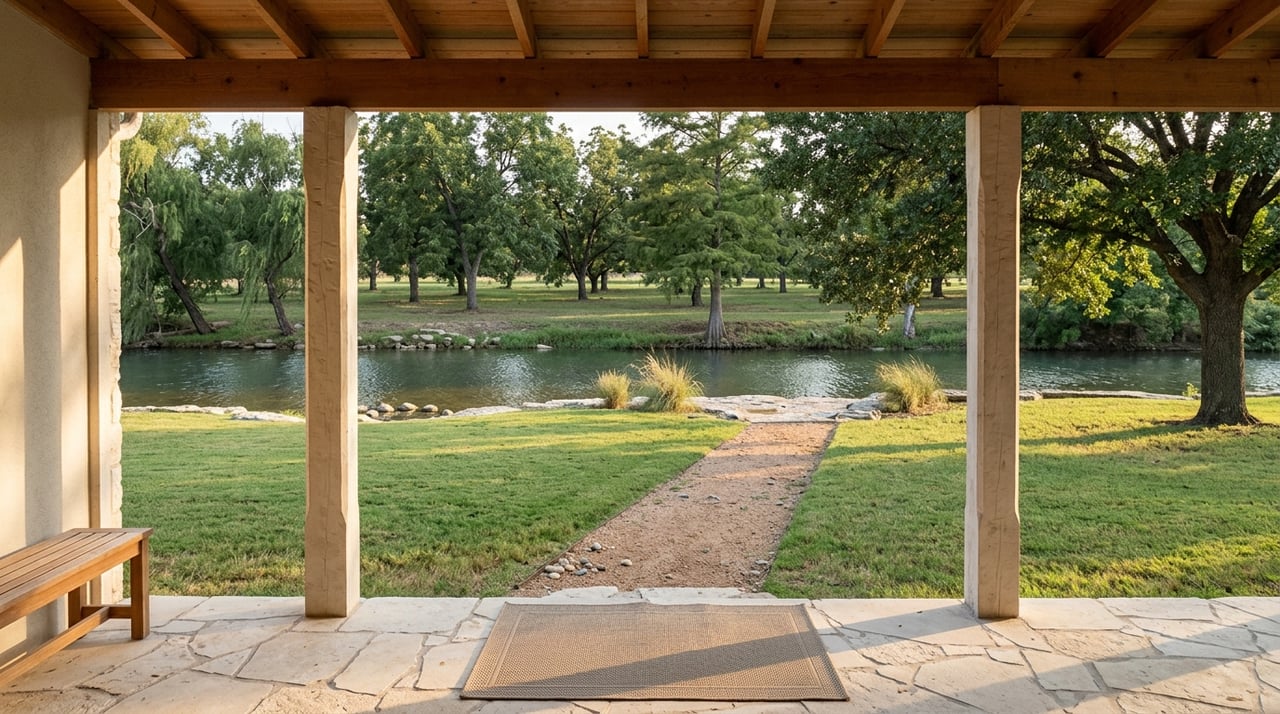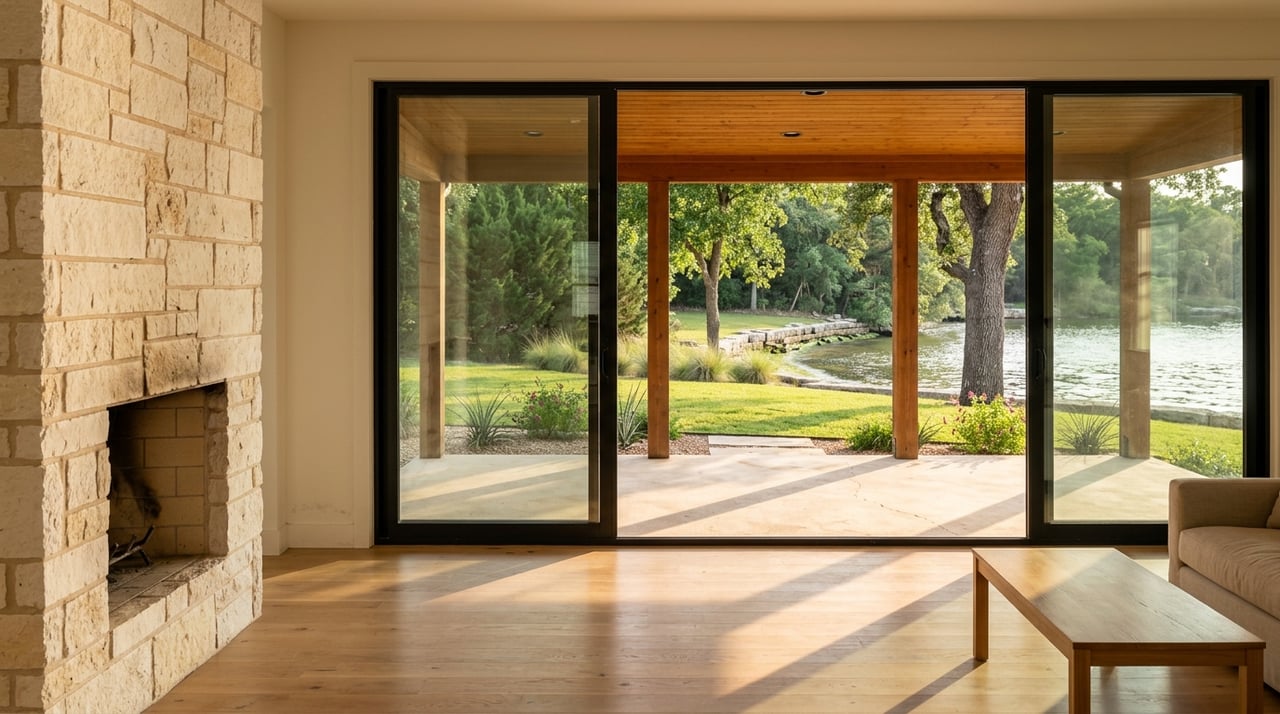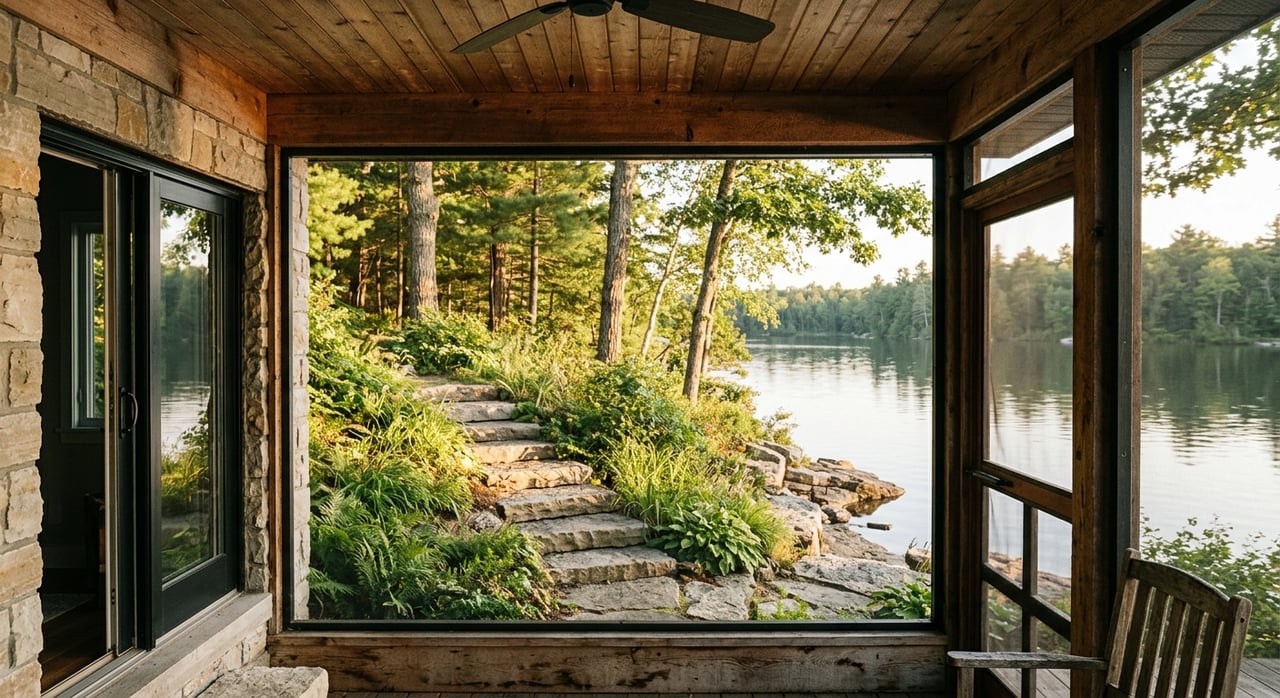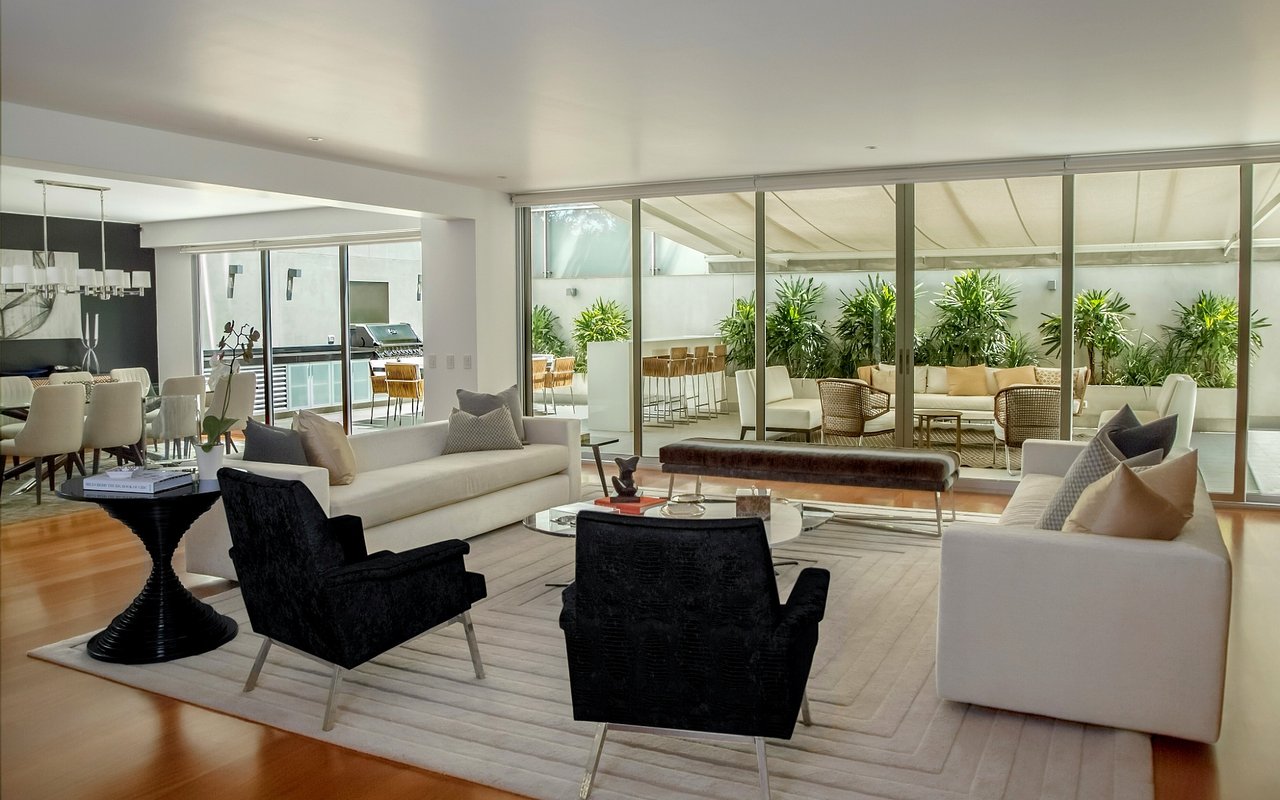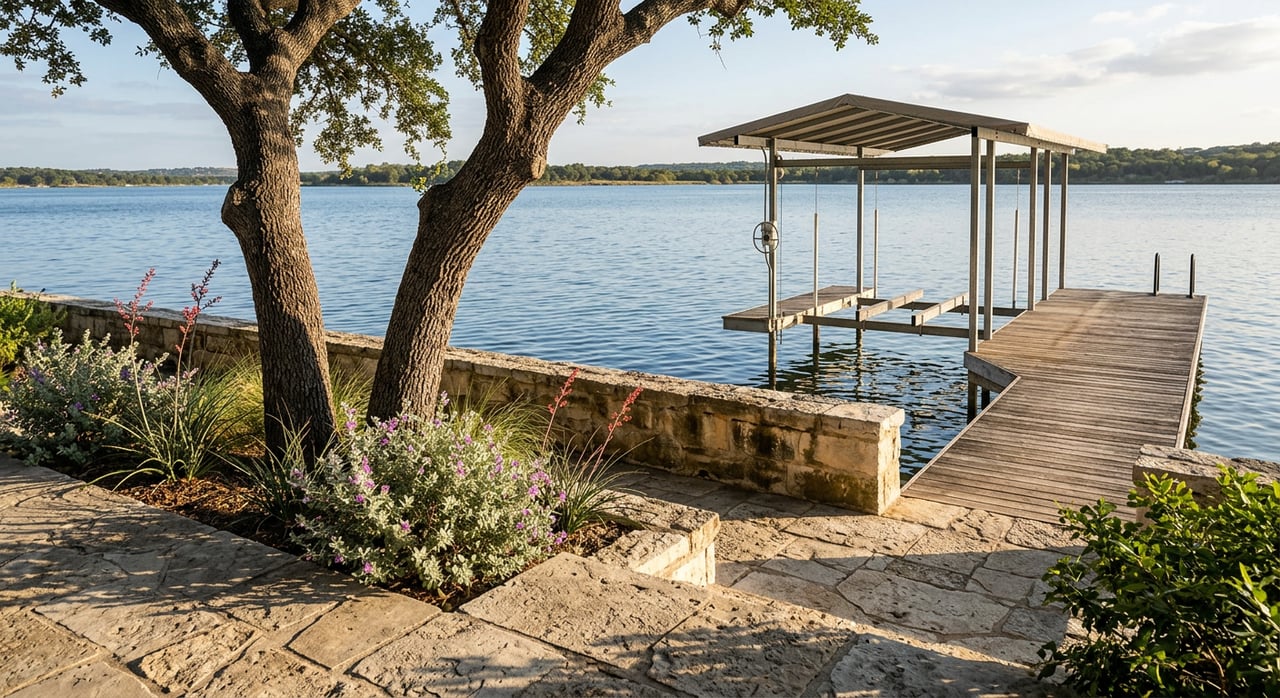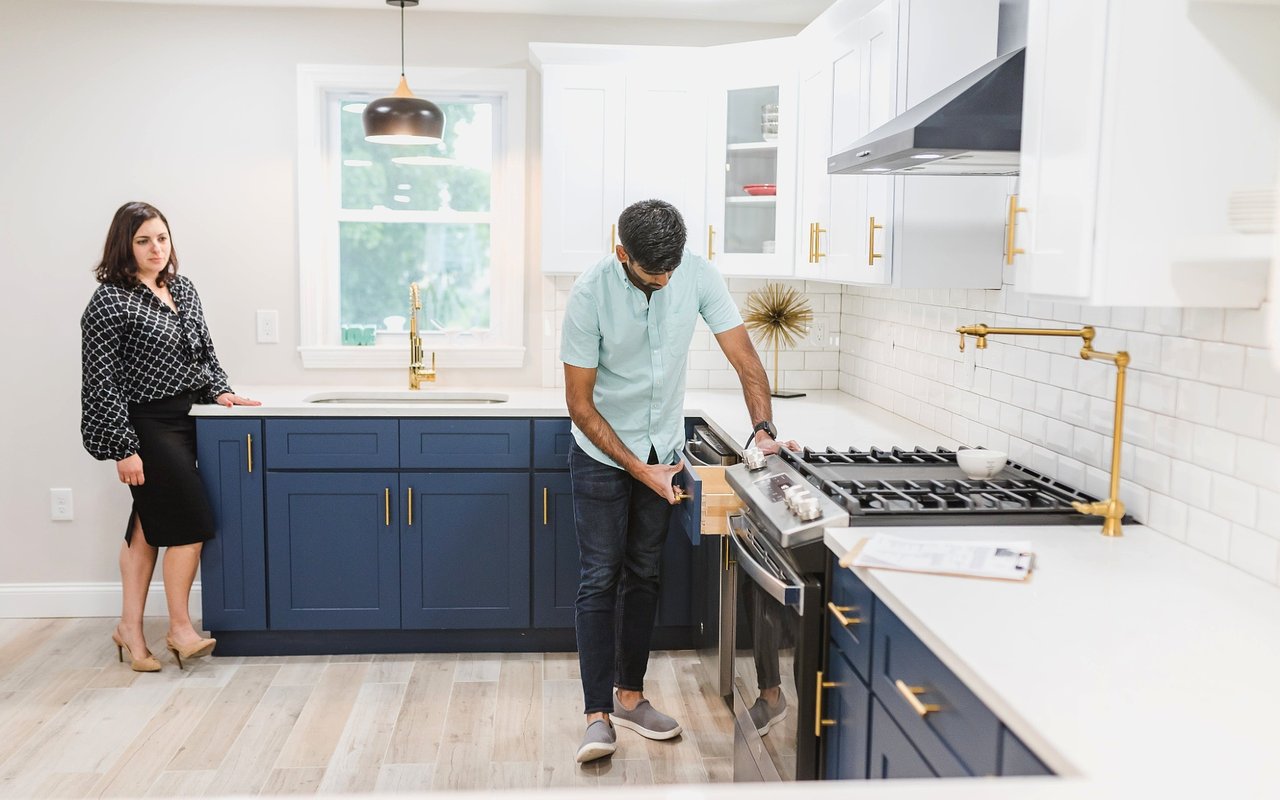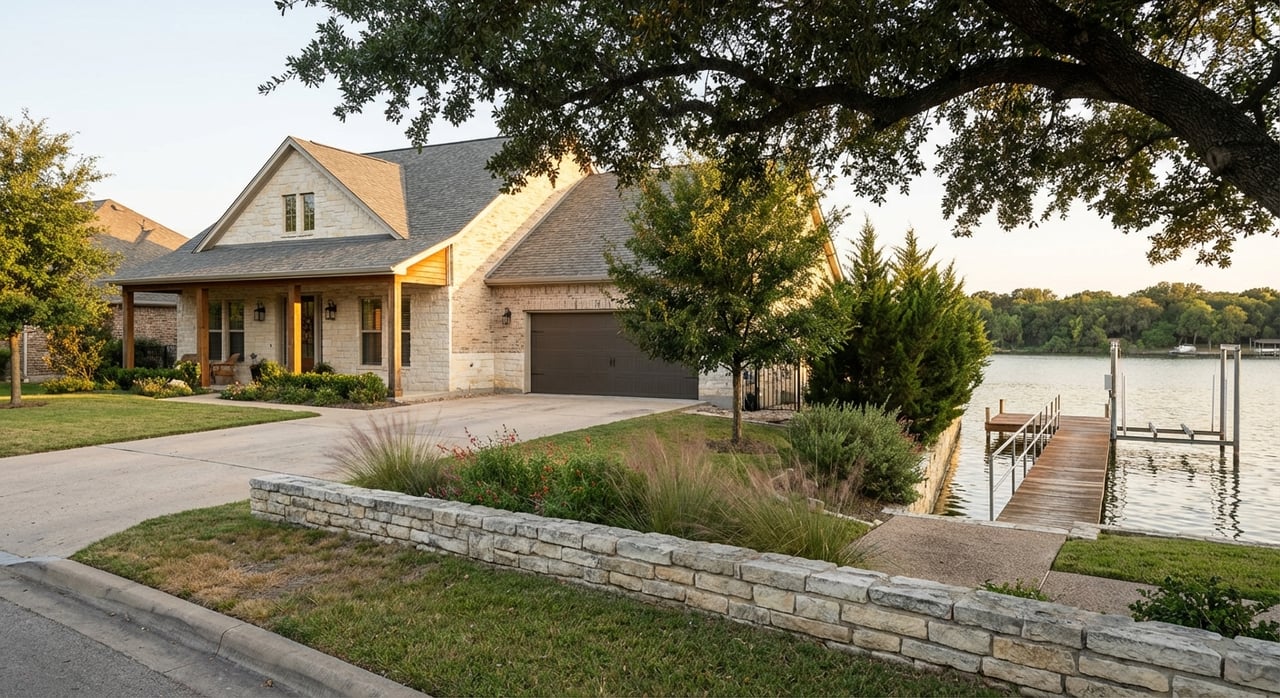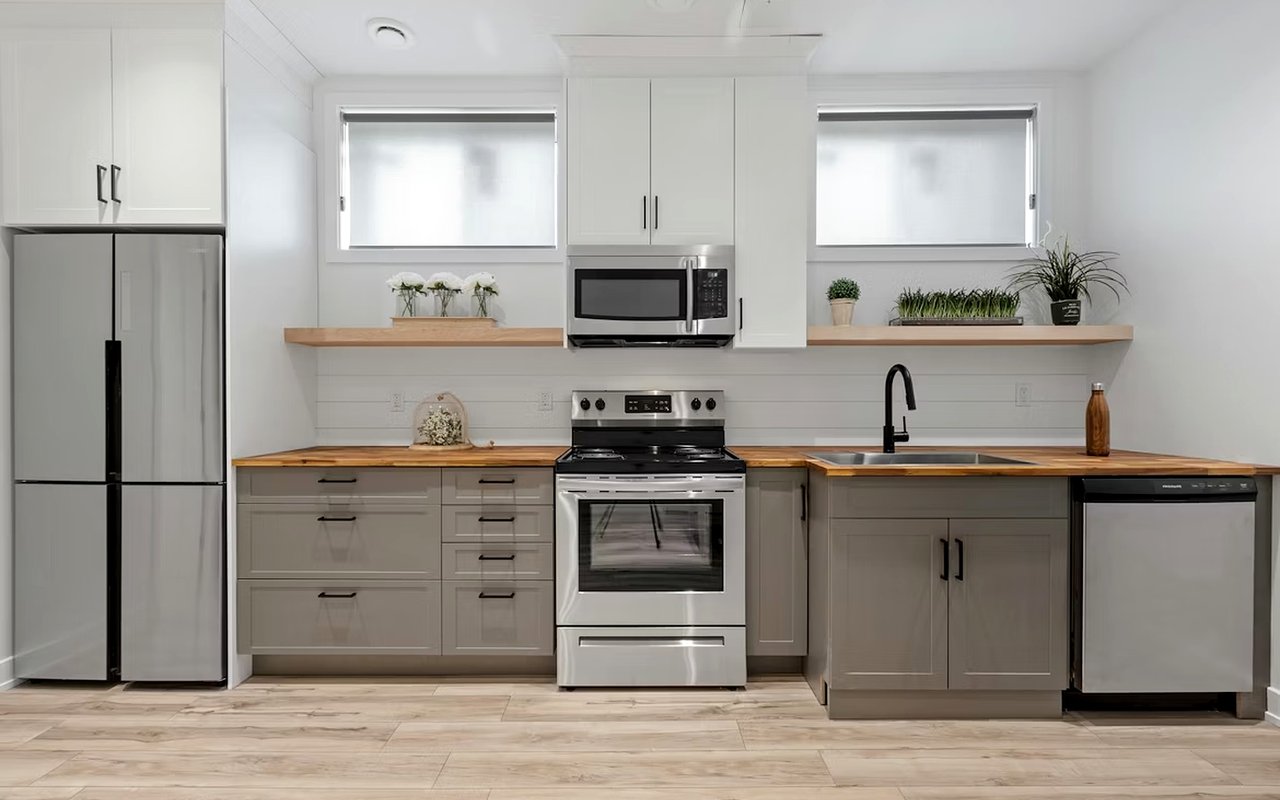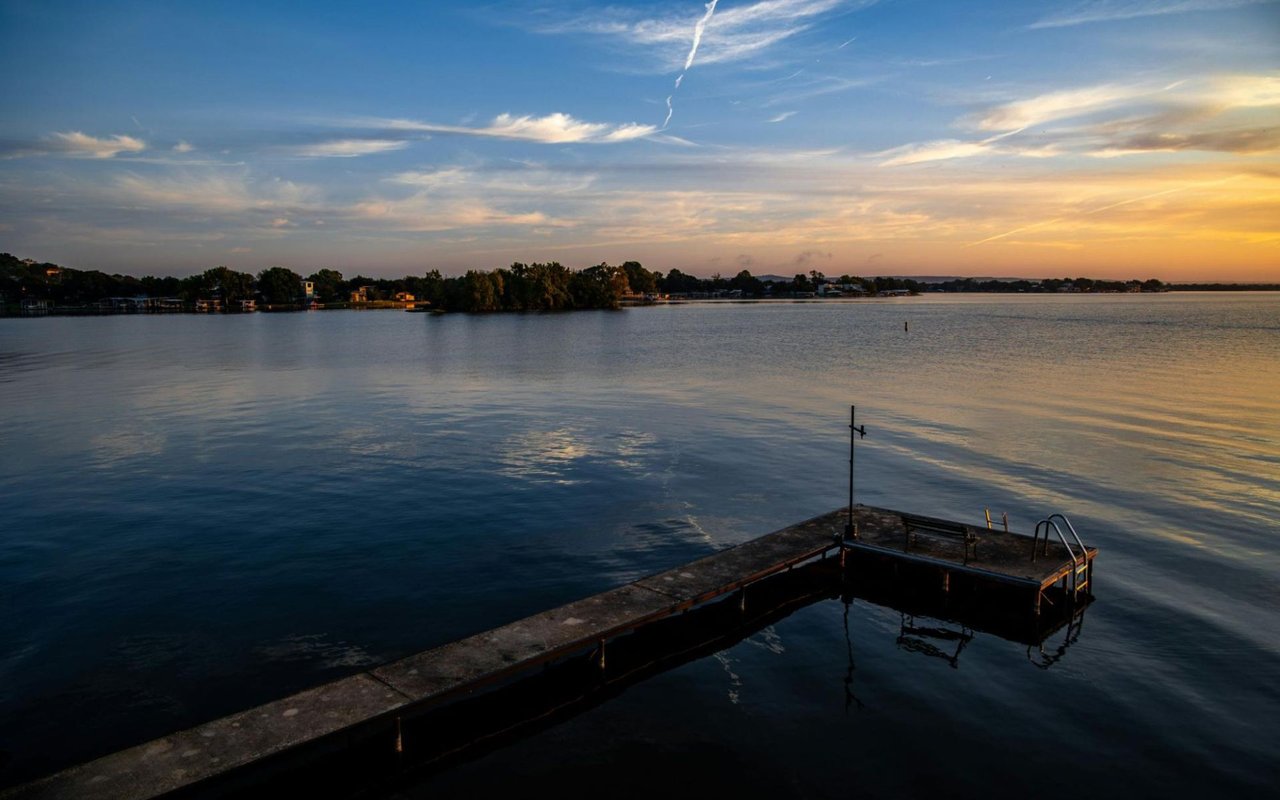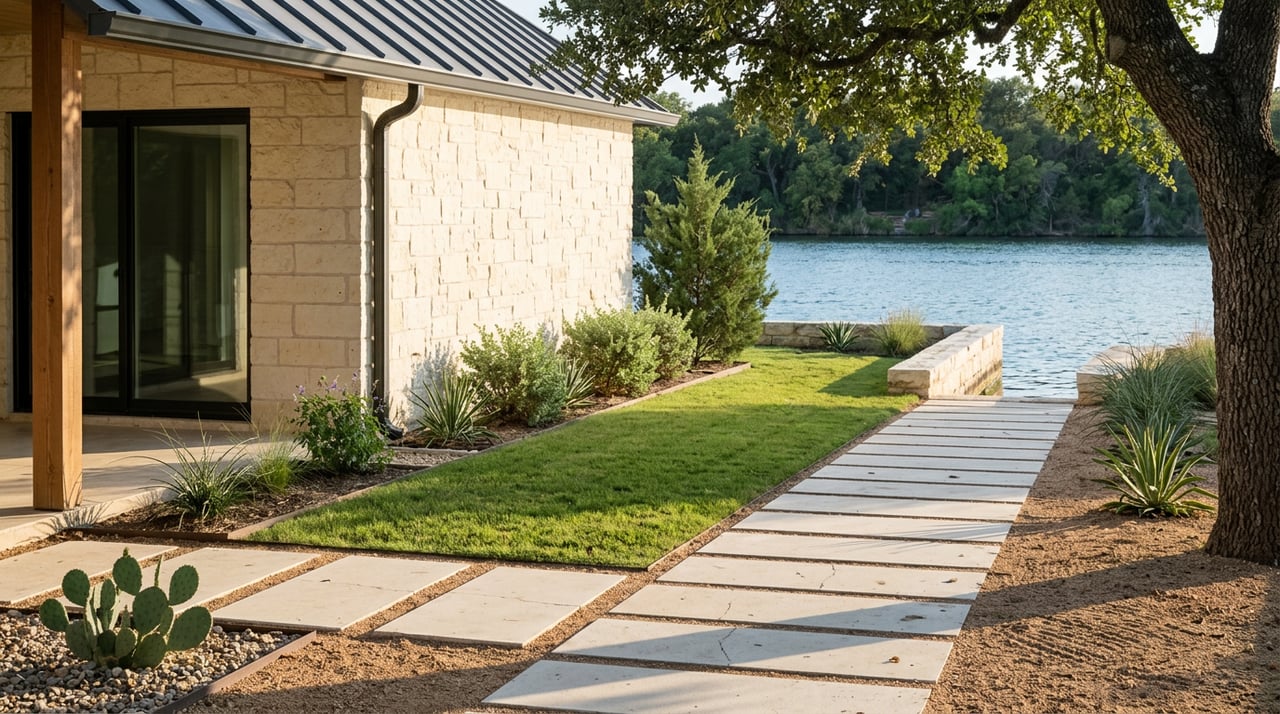
Picture yourself launching the boat on a calm Saturday, no marina membership required, and cruising back to a quiet cove steps from your back porch. If you want a more relaxed slice of Lake LBJ without the premium of busier resort towns, Granite Shoals belongs on your short list. As a first-time lake buyer, you want steady water levels, simple access, and a clear plan for inspections and permits. This guide gives you the essential local facts, a practical checklist, and smart next steps so you can buy with confidence. Let’s dive in.
Why Granite Shoals works for first-time buyers
You get the benefits of Lake LBJ’s operating stability. Lake LBJ is managed by the Lower Colorado River Authority and typically holds close to 824.4–825.0 feet msl. That near-constant level supports year-round boating and more predictable dock conditions compared with lakes that fluctuate widely. You can verify current operations and updates on the LCRA’s lake page at the Dams and Lakes resource.
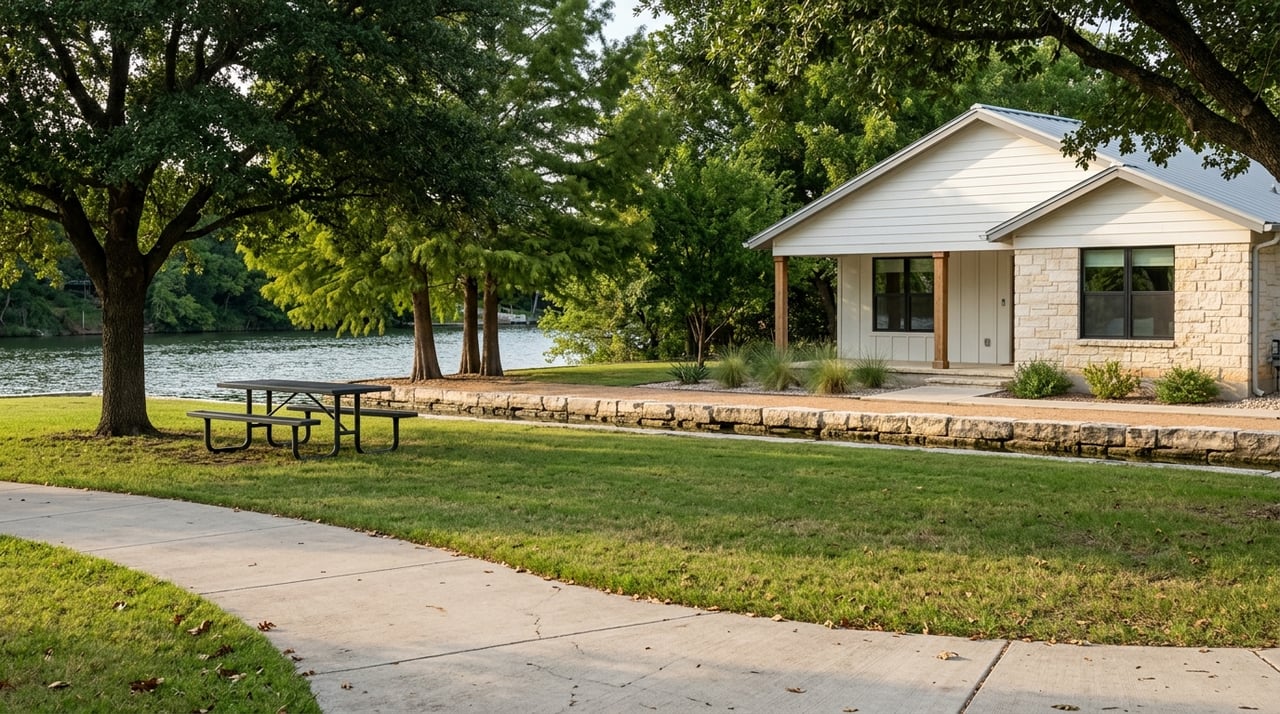
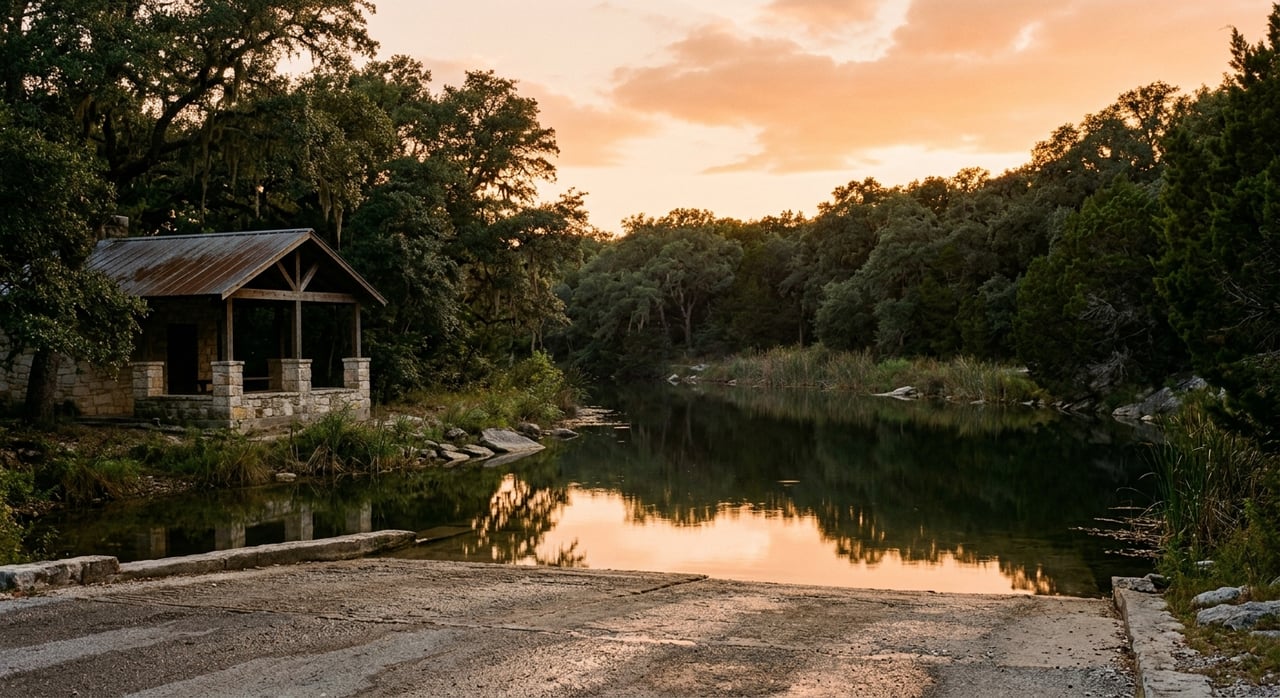
Access is easy and budget friendly. Granite Shoals calls itself a City of Parks and maintains multiple small waterfront parks with public boat ramps. The city offers resident launch stickers or passes and charges a daily fee for nonresidents. Ramps now use QR and digital payments, and residents renew passes annually. Check locations and current rules in the city’s Parks and Facilities directory and local reporting on the city’s move to digital ramp fees and pass renewals in the DailyTrib coverage.
Value stretches further here. Public listing snapshots vary by method and whether waterfront is included, but Zillow’s index shows an observed typical home value around $355,000 in Granite Shoals. Waterfront homes trade on different dynamics and can run higher. Use current MLS data for a precise, up-to-the-moment view, and treat the Zillow snapshot as a general reference.
How to think about water: coves vs open water
Buying on a cove or on open water changes your everyday experience. Here is how to weigh the tradeoffs.
Cove lots: everyday calm
- Pros: Calmer water, less boat wake, and often easier, lower-cost dock upkeep. Great for kayaks, paddleboards, and anchoring near shore. Often more privacy and less traffic.
- Cons: Narrower channels can feel busy on peak weekends, and shallower edges may need a longer slip or dredging. Views can be tree lined rather than panoramic.
Calmer coves reduce wave energy at the shoreline, which can lower wear on docks and bulkheads. Shoreline engineering references note that less wake and wave action often mean less stress on structures, which is why many first-time buyers gravitate to protected water. For background on shoreline stability and failure modes, see the EPA’s guidance on shoreline structures and erosion processes in this technical reference.
Open water: big views, bigger exposure
- Pros: Wide sight lines, quick access to the main lake, and strong long-term demand for big-water views.
- Cons: More wind and boat wake, which can increase dock and bulkhead maintenance and require larger structural design. Potentially more shoreline erosion.
Lake LBJ’s near-constant level helps in both settings because you are not designing around extreme annual drawdowns. It does not remove the need for smart dock engineering, but it reduces some of the uncertainties that come with fluctuating reservoirs. You can confirm operating practices and any flood-operations notices on the LCRA overview.
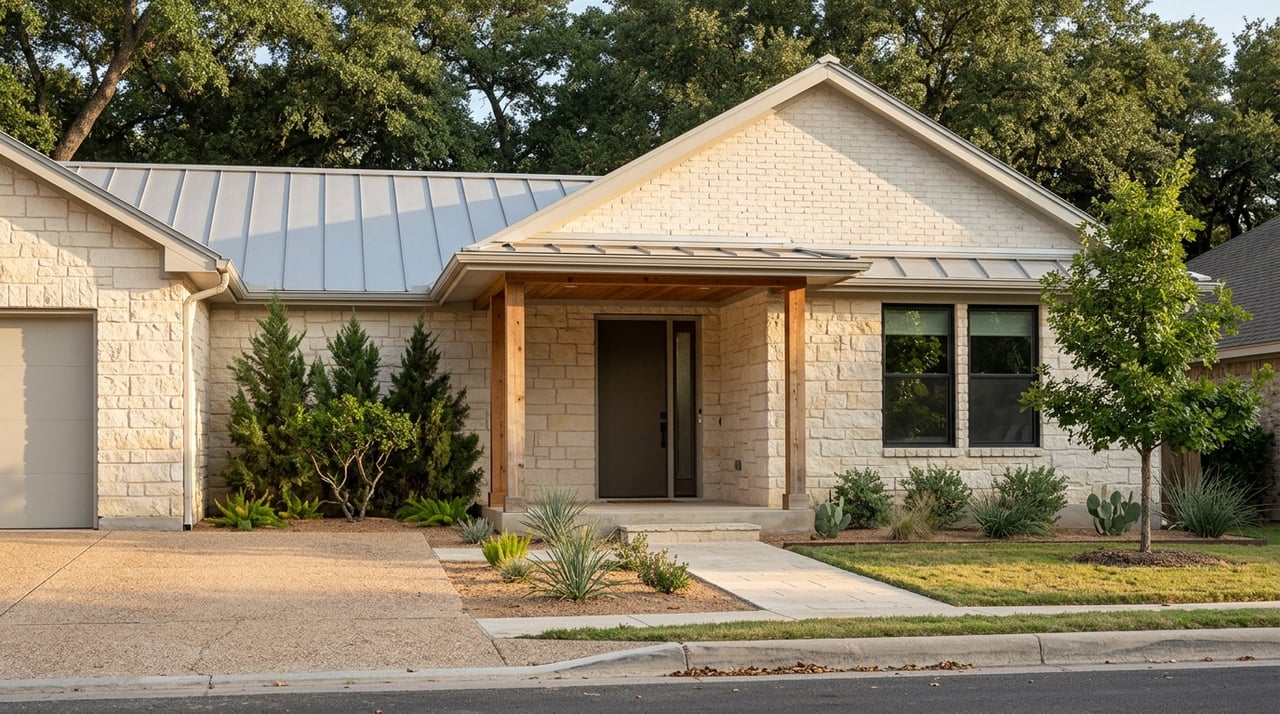
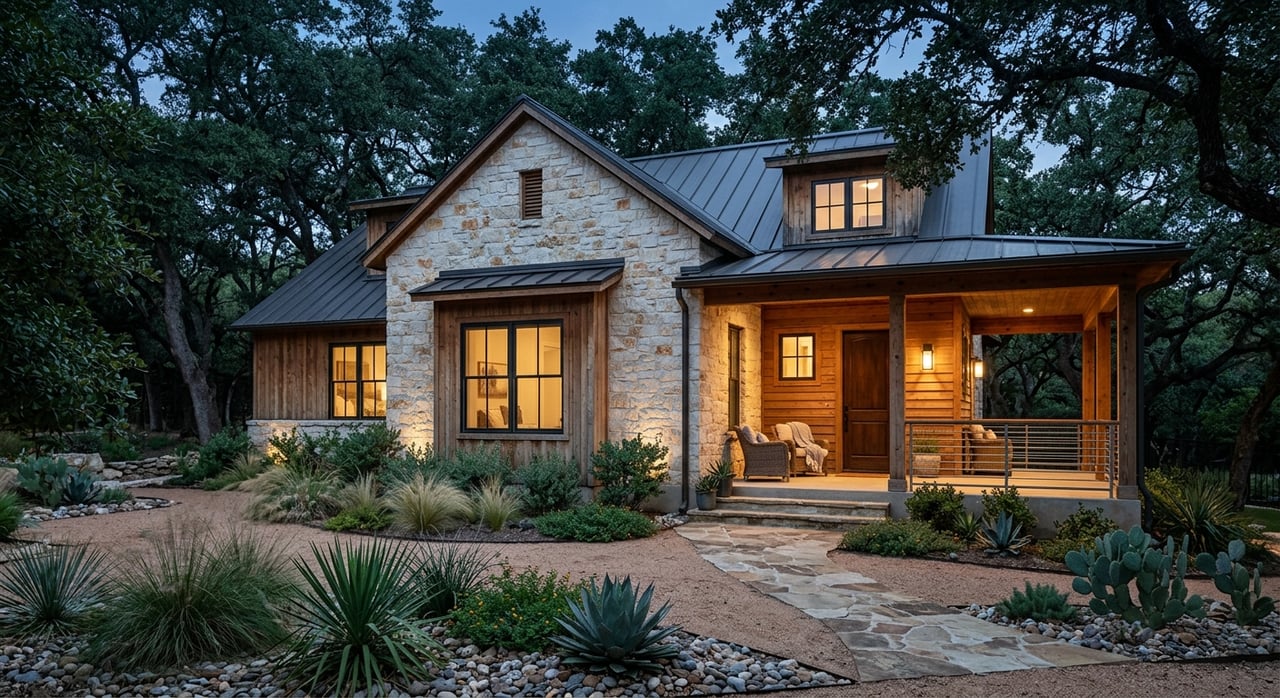
What homes look like here
You will see a mix of homes that fit different budgets and goals:
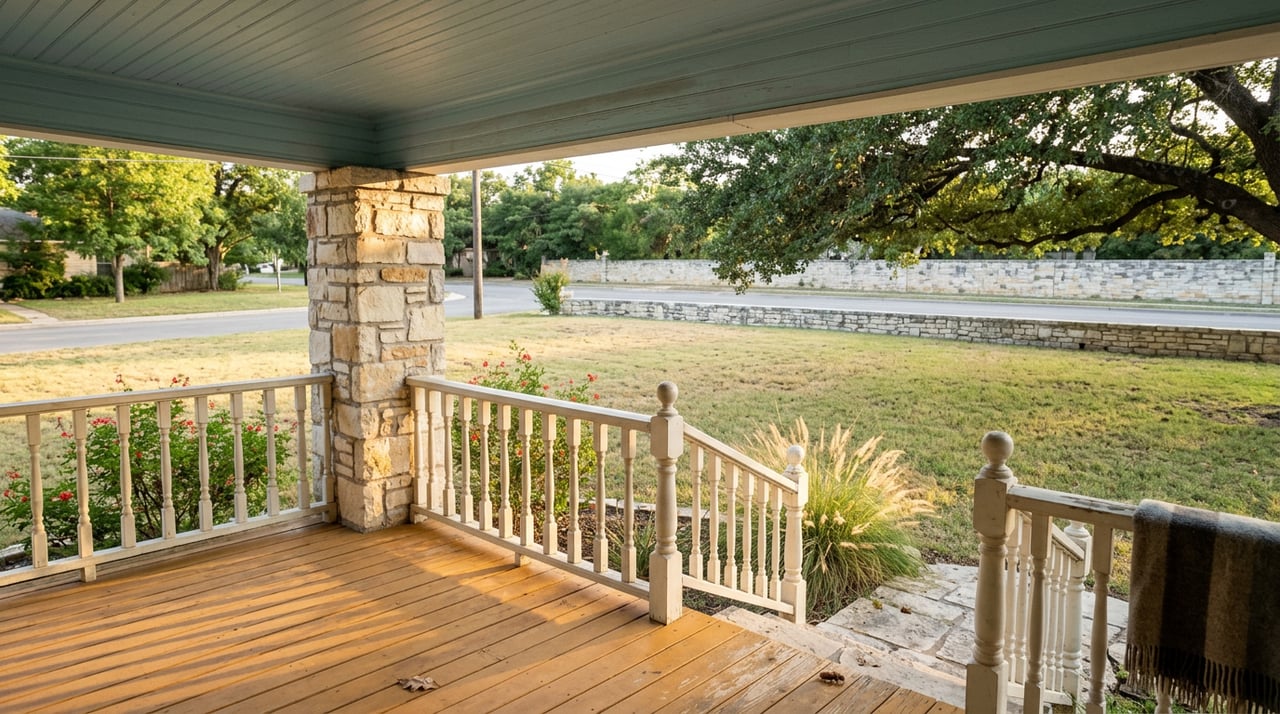
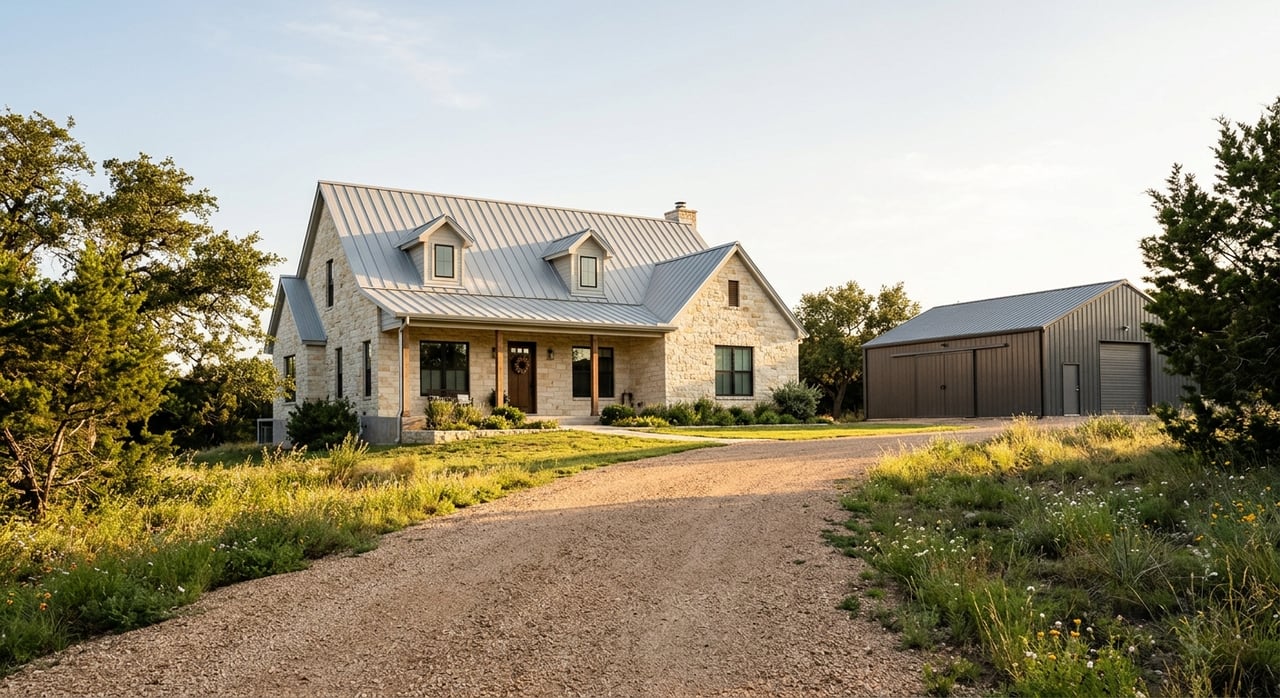
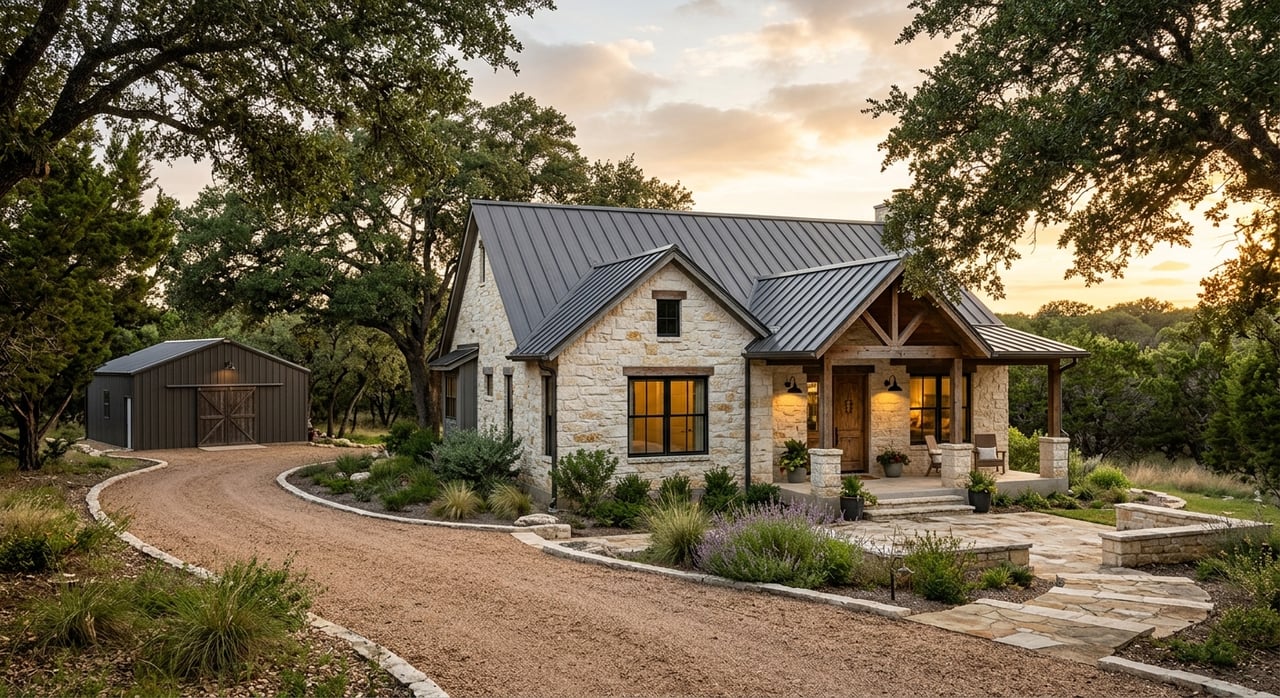
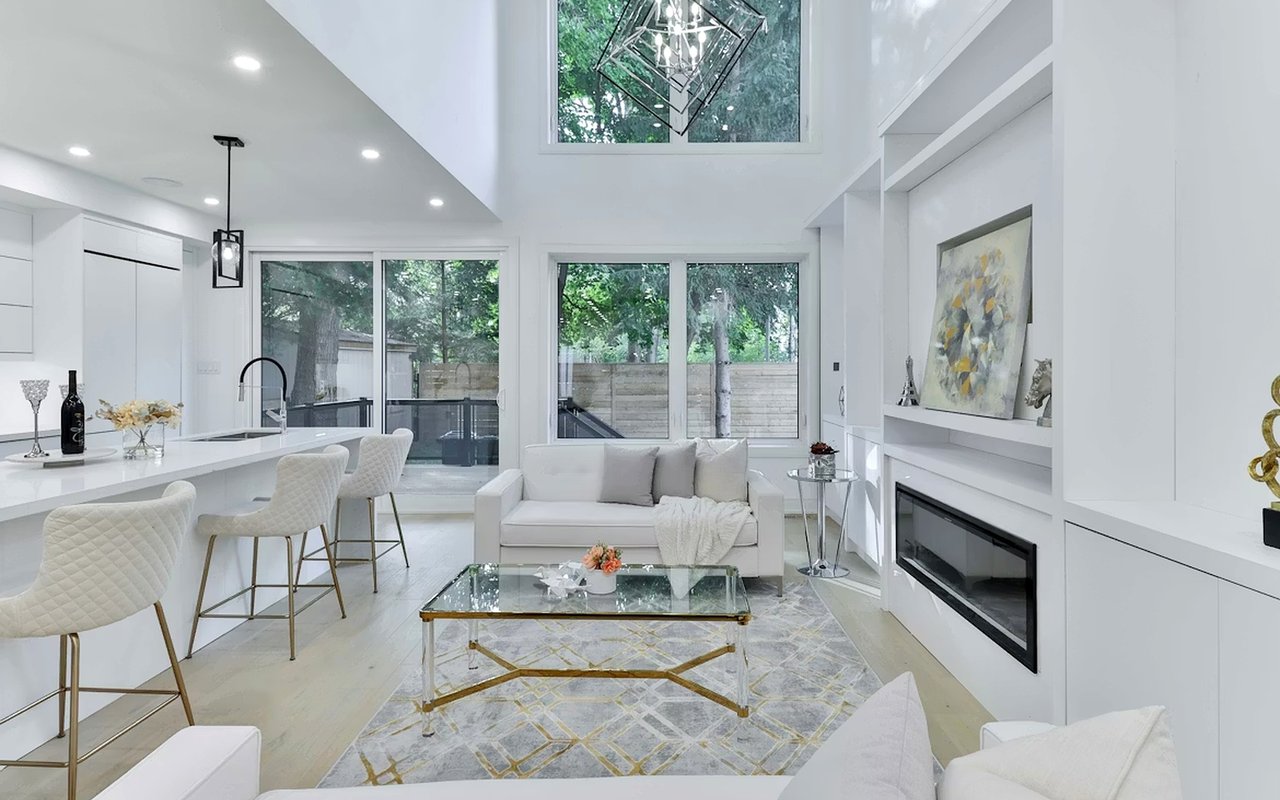
- Starter or weekend cottages. Think smaller, two-bedroom or midcentury cottages with simple footprints and big decks. These often sit on slab-on-grade foundations common to the Hill Country and may use septic systems on older lots.
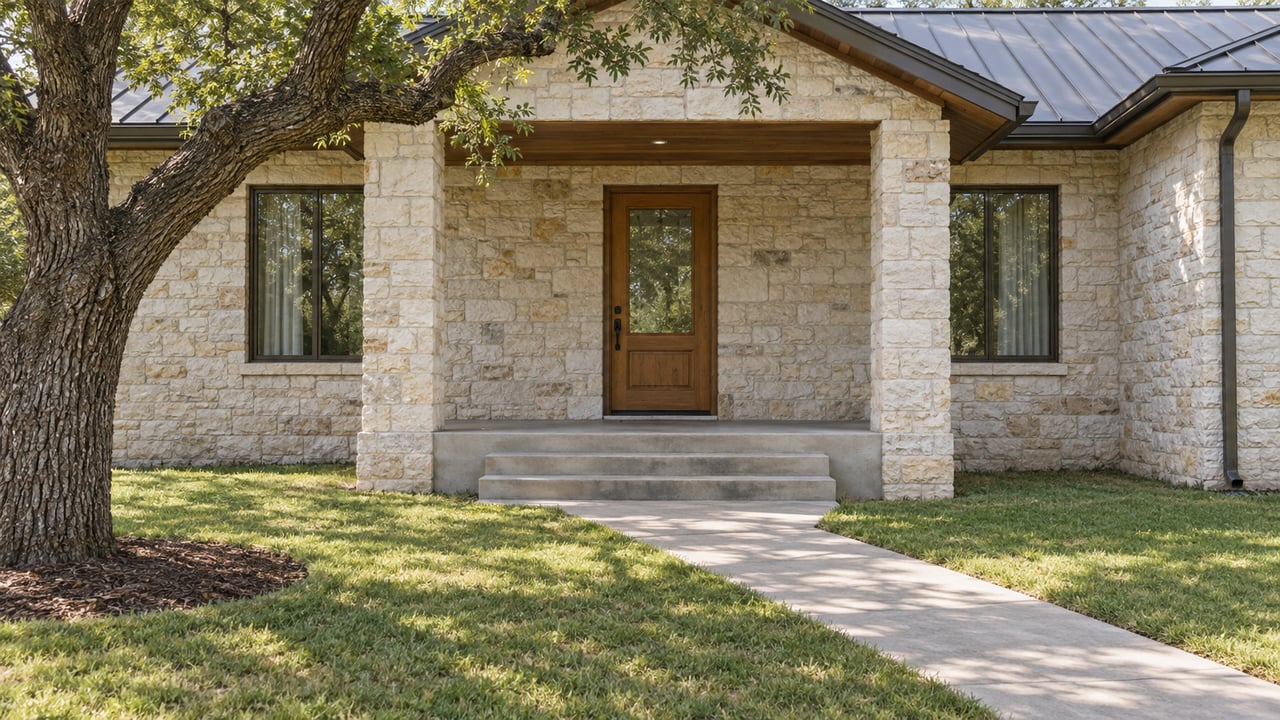
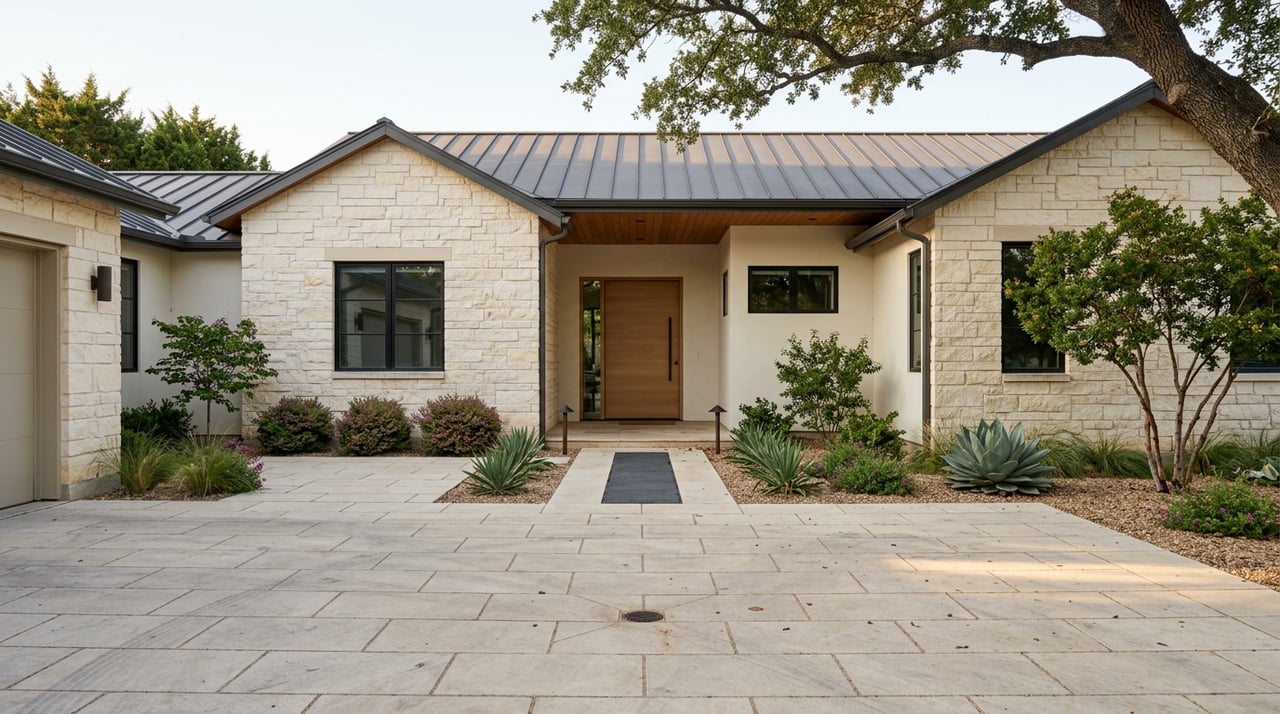
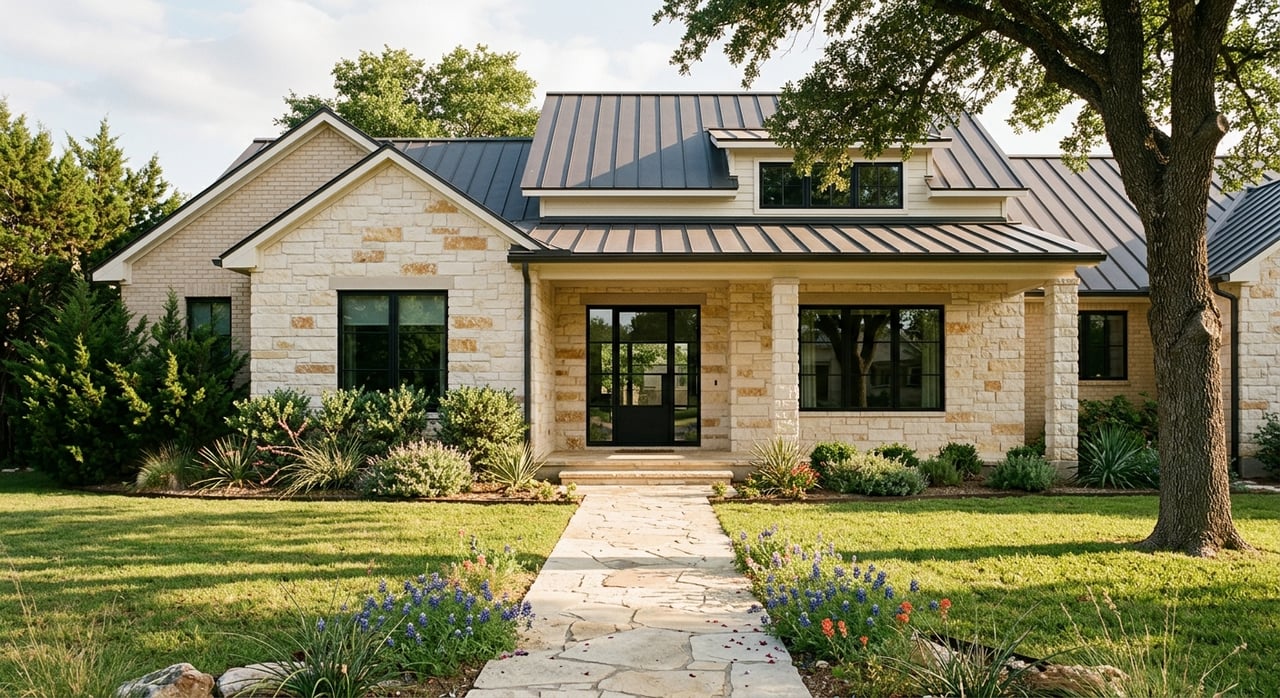
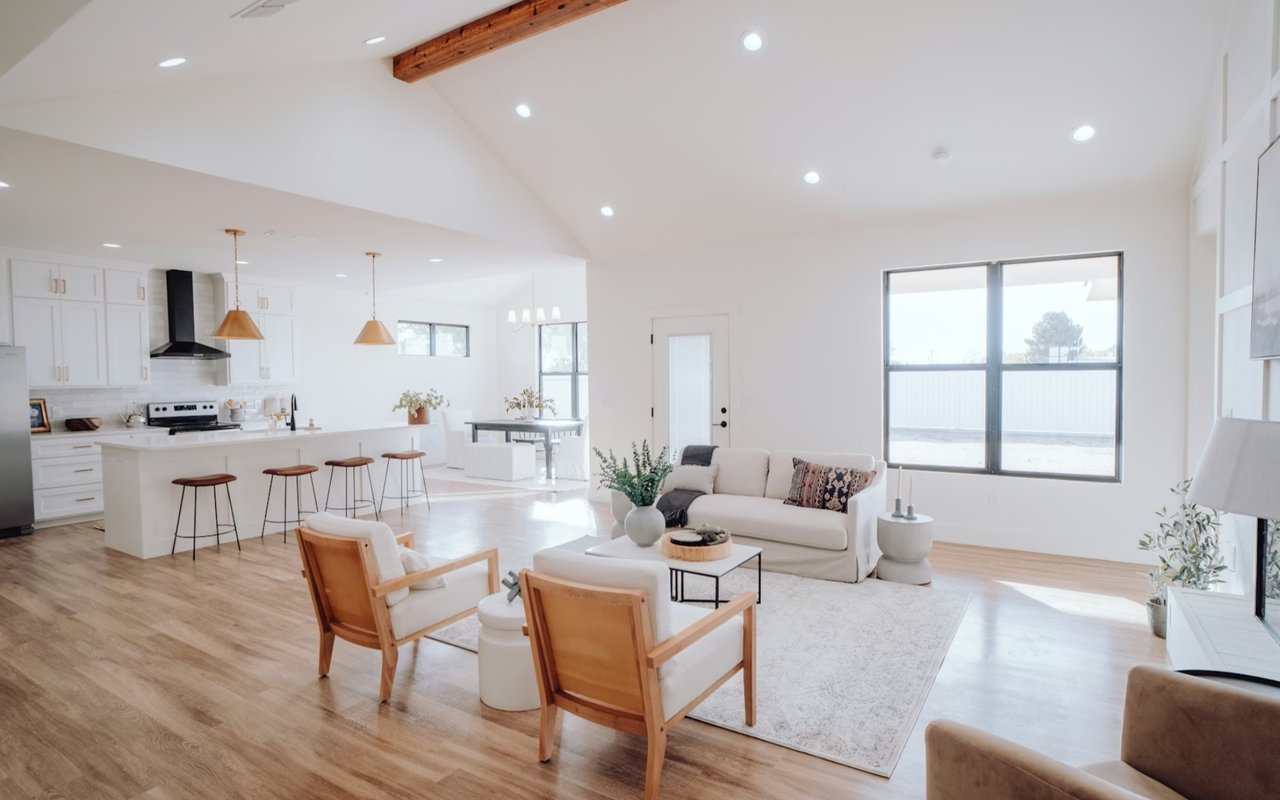
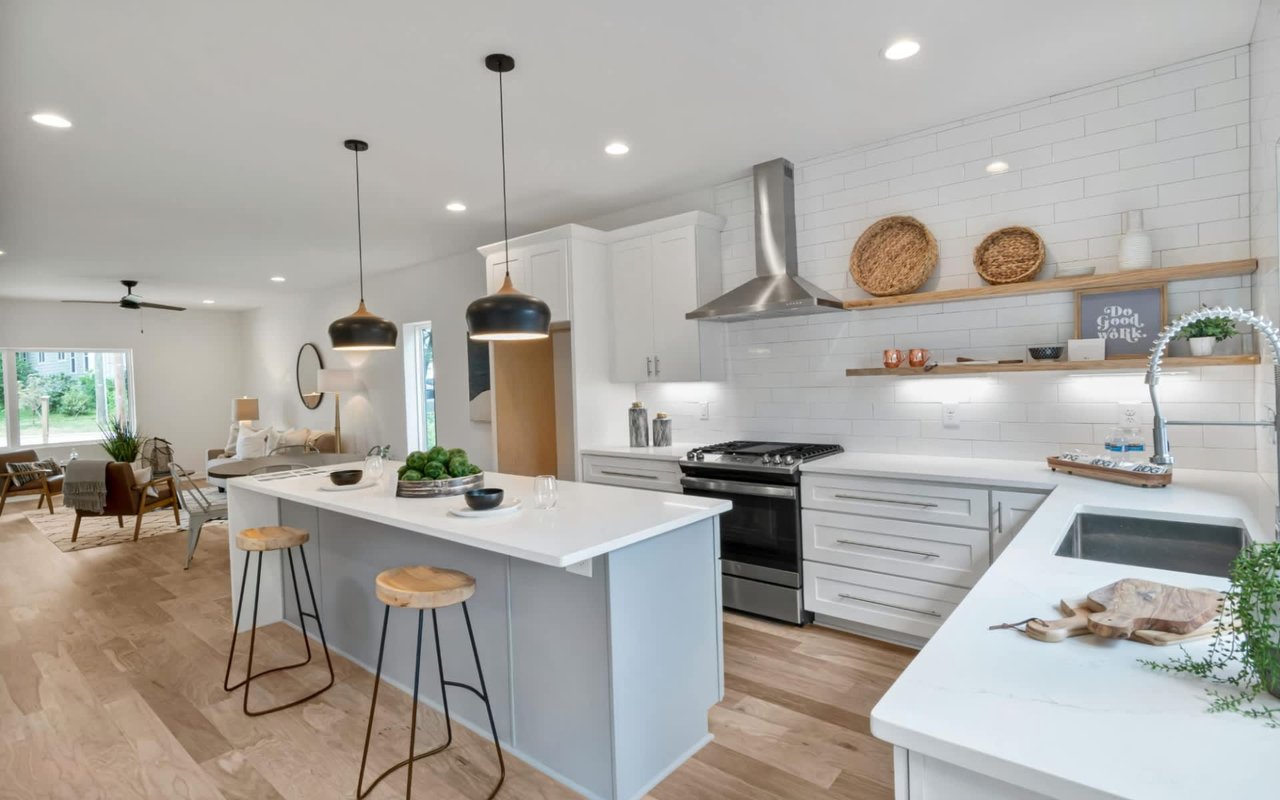
- Midrange ranch homes. Single-story, three-bedroom ranch styles with covered patios and space for a small dock or lift. Many have been updated with new windows, roofs, or outdoor kitchens.
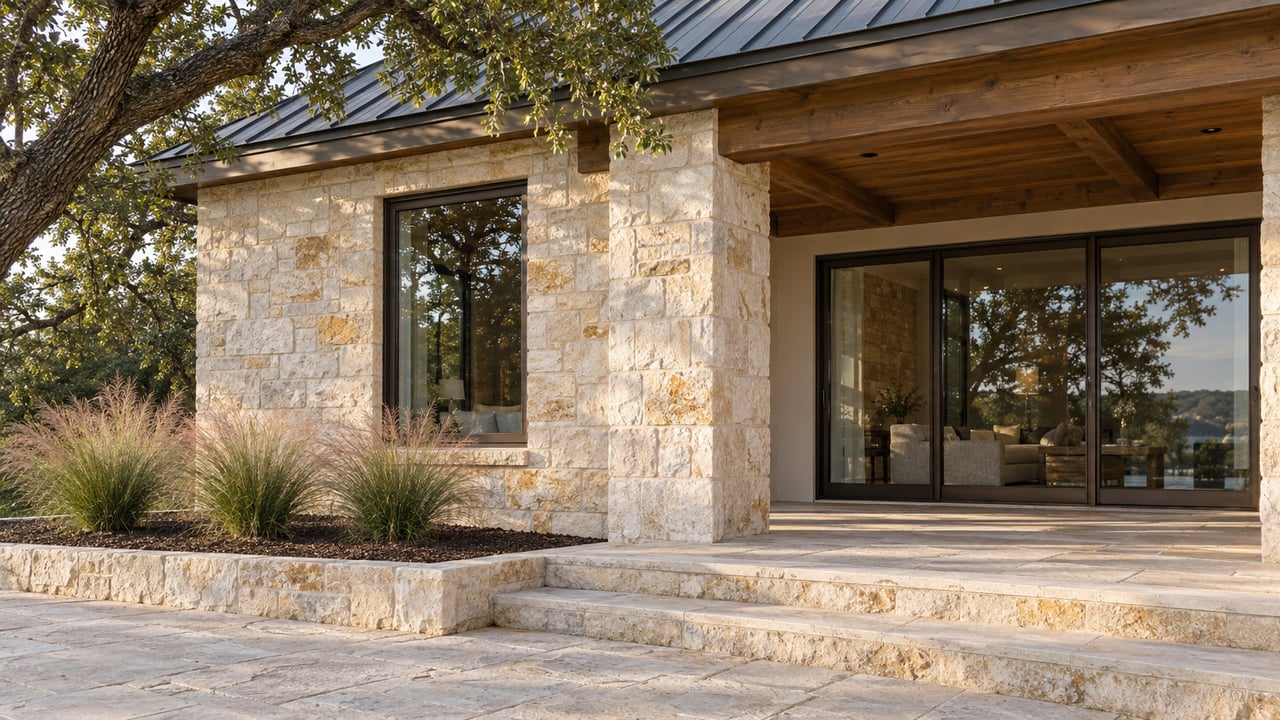
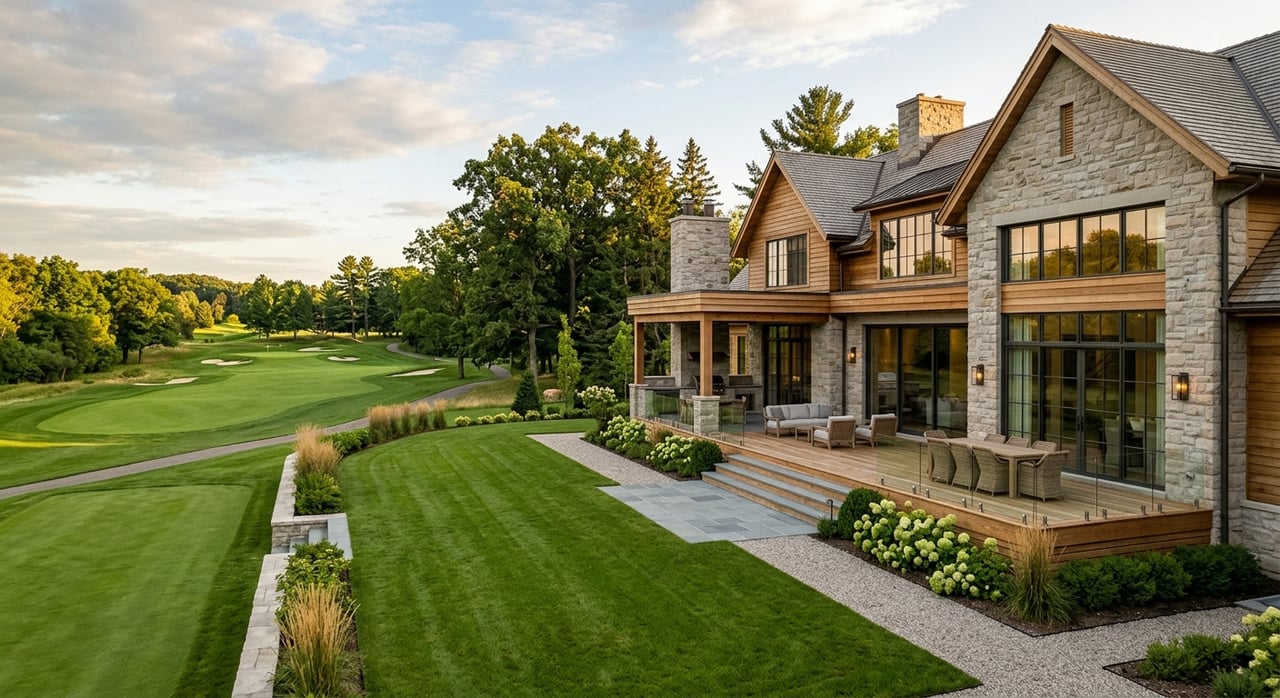
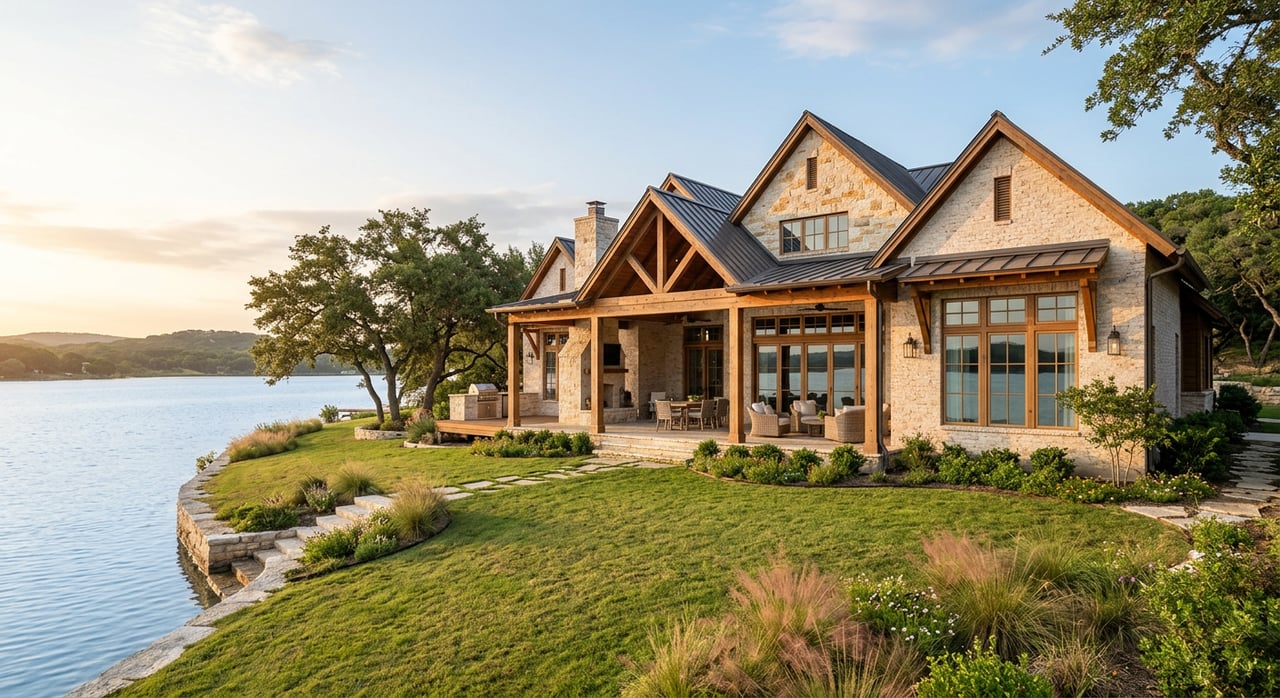
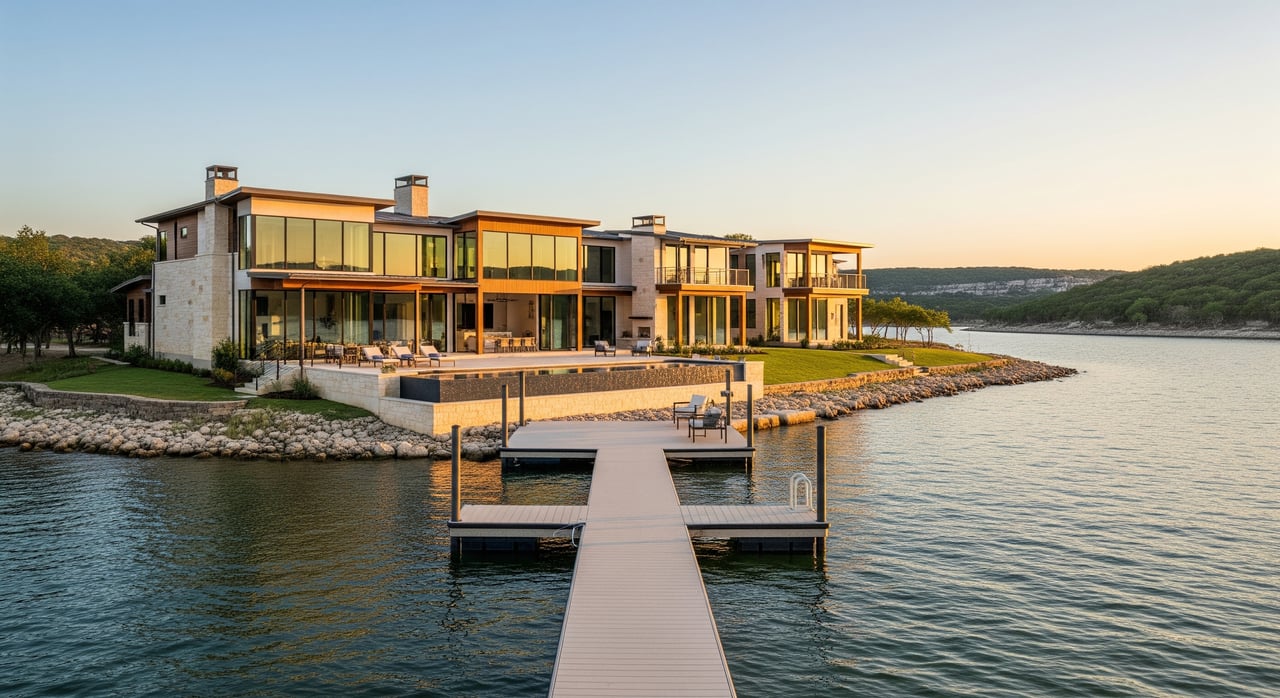
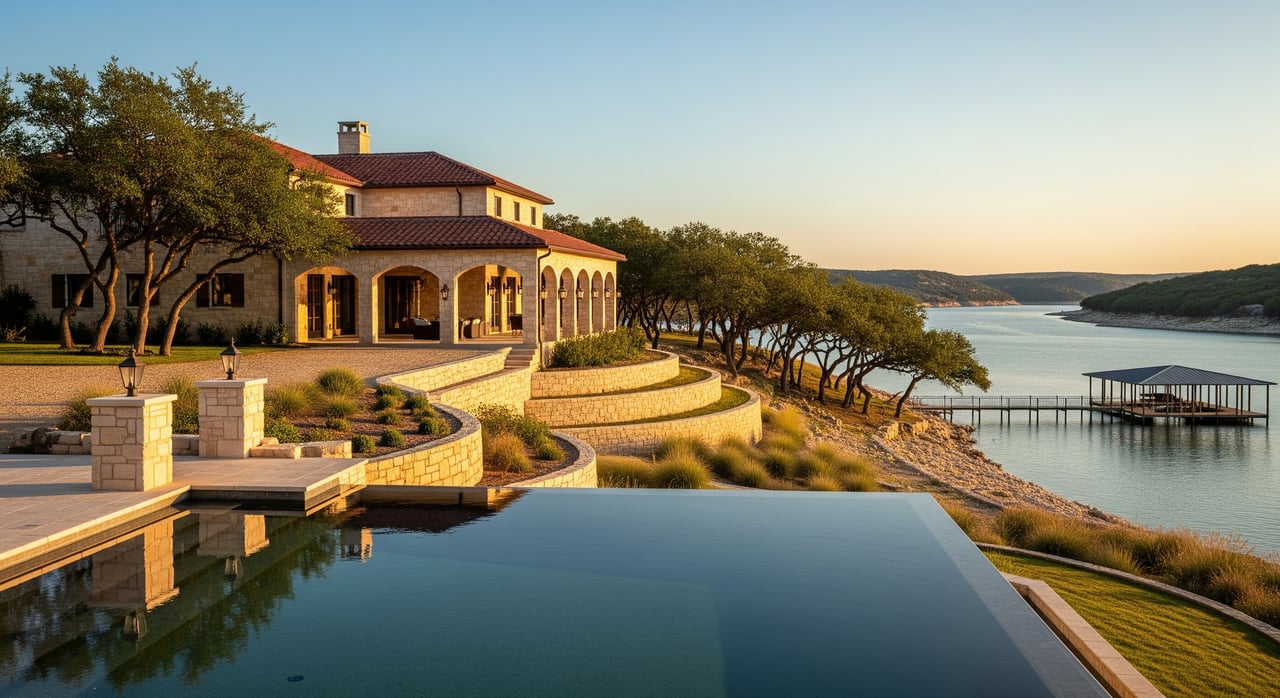
- Custom waterfronts. Larger homes with broad porches, multiple living areas, and well-equipped docks or boathouses.
Snapshot values vary depending on whether waterfront properties are counted. Zillow’s index puts the observed typical Granite Shoals value near $355,000, but you should look to a current MLS search to separate inland from waterfront and to compare by cove, open water, or canal. Start your pricing compass with the Zillow market snapshot and then refine with recent MLS comps.
Where you can launch today
Granite Shoals maintains several public boat ramps across the city so you can access Lake LBJ without a private marina. Local reporting and city resources list eight ramp sites, including:
- Castle Shoals Park
- Blue Briar Park
- Woodland Hills Park
- Crockett Park
- Robin Hood Park
- Clear Cove Park
- Timberhill Park
- Hillcrest Park
The city charges a daily nonresident launch fee and offers resident stickers and annual passes. Ramps use QR and digital payments, and resident permits must be renewed each year. Details and park locations are in the Parks and Facilities directory and the city’s digital-fee update in the DailyTrib report. For other access around the Highland Lakes, check LCRA’s lake resources before you plan a broader outing.
Before you bid: 10 inspection questions
Use this quick checklist to save time, budget correctly, and avoid surprises.
Title and survey. Order a current boundary or ALTA survey that calls out the shoreline, any encroachments, and easements that could affect dock placement. If a listing claims a dock permit, ask for the permit and approvals. You can verify permit history in the city’s permitting portal.
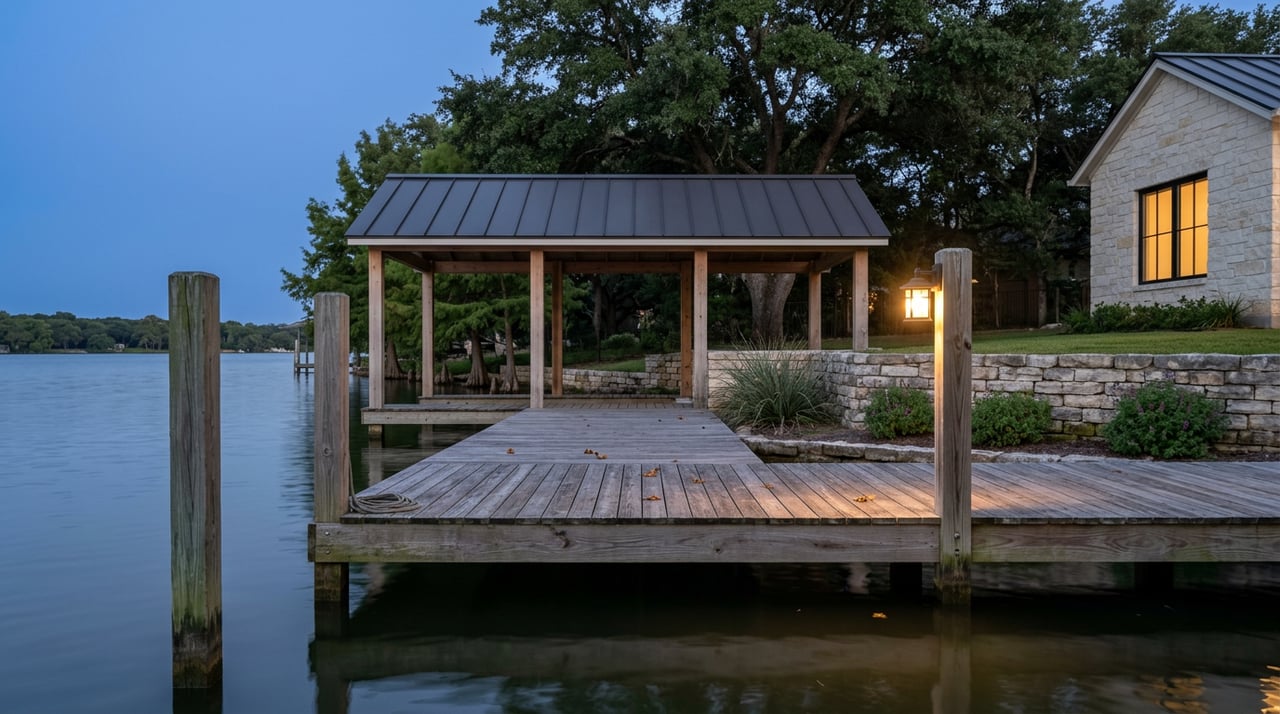
Dock and bulkhead condition. On your first visit, look for leaning or uneven sections, separated joints, corroded piles, gaps behind a retaining wall, or sinking soils at the edge. Ask for dates and receipts for past repairs. For a deeper check, hire a marine or structural professional. The EPA’s shoreline guidance highlights common failure modes and why expert review matters. Read the EPA technical reference.
Dock permits and “grandfathered” status. Do not assume a dock transfers as-is. Confirm permits with the city and ask LCRA about any approvals if the structure extends into Lake LBJ. Start with the city’s permit portal.
Flood risk and insurance. Pull a FEMA FIRMette for the address to see if any part of the lot is in a Special Flood Hazard Area. Being in an SFHA can affect required elevations, insurance costs, and mortgage approval. Use FEMA’s Map Service Center.
Utilities and wastewater. Ask if the home is on city water and sewer or a private septic system. Older lots here often still use septic, which adds maintenance and can limit expansion.
Access and parking. Confirm driveway access is wide and strong enough for a boat trailer. Review city ramp rules on passes, daily fees, and seasonal traffic so you know your best launch times and parking options. See the city’s boat launch ordinance.
Short-term rental rules. If you plan to rent the home, Granite Shoals requires an STR permit and enforces occupancy, tax collection, and 24-hour contact rules. Review the city’s STR application packet and confirm any updates.
LCRA operations. Check LCRA for any notices on lake operations that could affect access, maintenance, or timing. Start with the Dams and Lakes page.
Schools and services. Granite Shoals is served by Marble Falls ISD, and many buyers like to verify the elementary campus location and attendance information. Confirm details directly with the district when schools are part of your decision.
Resale flags. Permitted private docks, clean title, and usable water frontage often support resale. In contrast, mapped floodplain areas or aging, unpermitted shoreline work can complicate financing or insurance. Compare to nearby neighborhoods like Woodland Hills or the Beaver Island area and rely on current MLS comps to price correctly.
Permits and costs to expect
- Public ramp use. Granite Shoals offers resident launch stickers or passes and charges nonresidents a daily launch fee. The city has adopted QR and digital payment at ramps, and resident permits renew annually. Review the Parks and Facilities directory, the digital-fee update, and the city’s launch ordinance for current numbers.
- Dock and shoreline work. Building or repairing a dock or bulkhead can involve city permits and LCRA review, depending on location and scope. Budget for a professional dock and bulkhead inspection and be ready for a multi-agency process. Start your verification in the city permit portal and confirm with LCRA.
- Floodplain and elevations. If any portion of the lot is in a mapped flood zone, you may face elevation requirements and flood insurance. Pull the official FIRMette and check for Letters of Map Change in FEMA’s Map Service Center. You can also review broader risk planning in the Burnet County Hazard Mitigation Plan.
Resale and financing considerations
Clean, documented permissions and predictable access make a difference. A recorded survey, clear title, and transferable, permitted dock approvals help appraisers and lenders. Lake LBJ’s near-constant level supports year-round enjoyment, which many buyers value.
Watch for risk markers that can slow a deal. Mapped floodplain areas, unpermitted shoreline structures, or failing bulkheads can raise questions with underwriters and insurers. Pull your FEMA FIRMette early and address any engineering or permitting gaps during the option period.
Think ahead to your future buyer. Usable water frontage, a safe and functional dock, and proximity to reliable public launches tend to hold demand. Compare your target property against recent MLS sales in nearby waterfront pockets to understand how features and documentation affect price.
Who to contact and where to verify
- LCRA: Water-level operations and lake information. Check the Dams and Lakes page.
- City of Granite Shoals: Parks, ramps, fees, STR permits, and general permitting. See the Parks and Facilities directory, the boat launch ordinance, and the permit portal. STR details are in the application packet.
- FEMA: Flood zone maps and Letters of Map Change. Use the Map Service Center. Broader risk planning is outlined in the Burnet County HMAP.
Ready to find your first lake home in Granite Shoals with a guide who knows the coves, the ramps, and the rules? Reach out to the local team at Landmasters Real Estate for on-the-water advice, current comps, and a step-by-step plan from tour to closing.
FAQs
Is Lake LBJ a constant-level lake and why does it matter for Granite Shoals docks?
- Lake LBJ is operated by LCRA as a near-constant-level reservoir, typically around 824.4–825.0 feet msl, which supports year-round boating and more predictable dock designs; confirm current operations on the LCRA lake page.
How do Granite Shoals public boat ramp fees and resident passes work?
- The city offers resident launch stickers or passes and charges a daily nonresident launch fee; ramps use QR and digital payments and resident permits renew annually, as outlined in the Parks and Facilities directory and the launch ordinance.
For a first-time buyer, is a cove lot or open-water lot better on Lake LBJ?
- Coves offer calmer water and often lower dock maintenance, while open water offers wider views and more exposure to wind and wake; Lake LBJ’s stable levels help in both, so choose based on your boating style and maintenance comfort.
Are many Granite Shoals homes on septic, and does that change your plan?
- Many older lots use septic systems, which add maintenance and can limit expansion; confirm utility service with the city and factor septic inspection or replacement into your budget.
How can you check if a Granite Shoals lake house is in a floodplain?
- Search the property address in FEMA’s Map Service Center to pull a FIRMette; being in a Special Flood Hazard Area can affect building elevation, insurance costs, and loan approval.
Can you run a short-term rental at a Granite Shoals lake home?
- Yes, but you must have a city STR permit and follow occupancy, tax collection, and contact rules; review the city’s Short-Term Rental Application Packet and confirm any updates with the city.