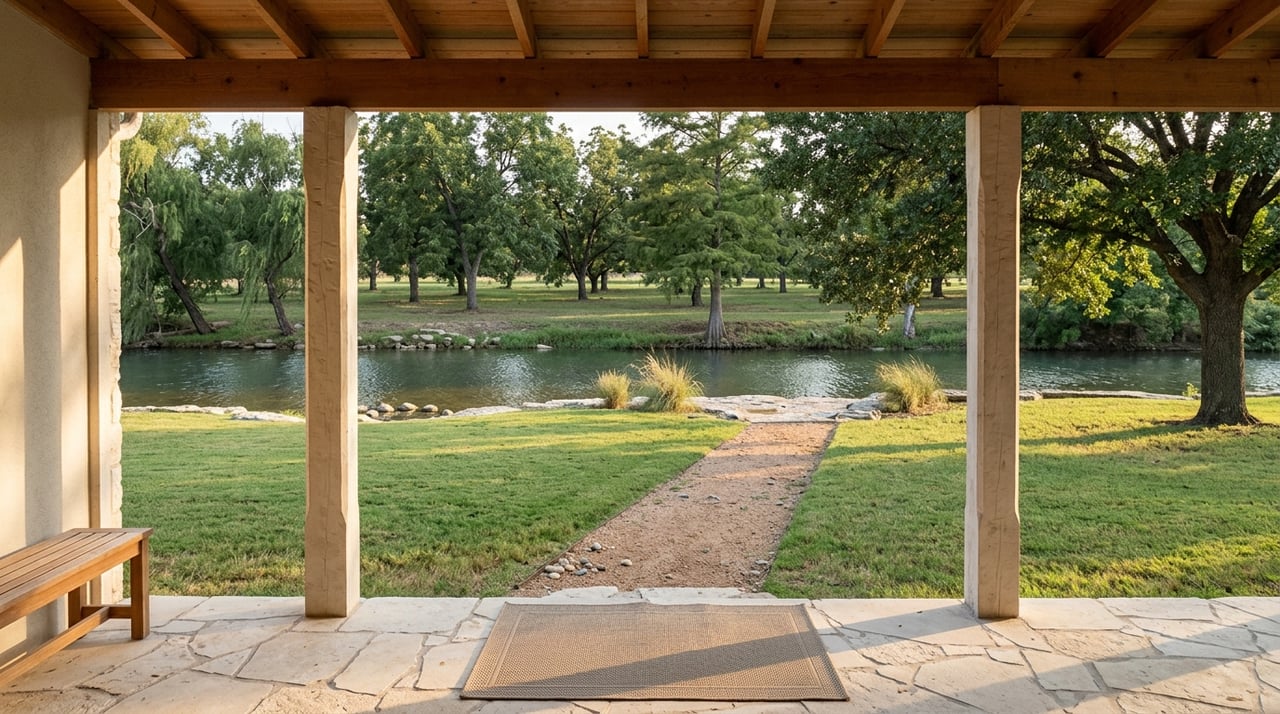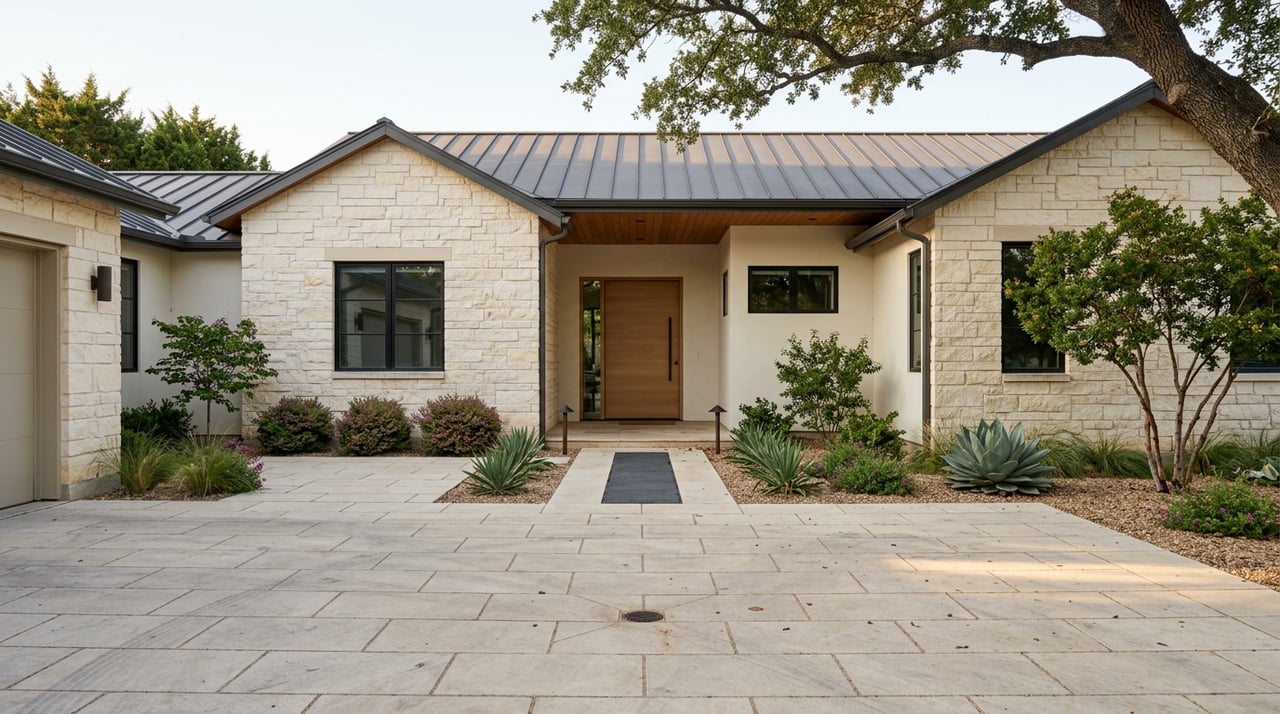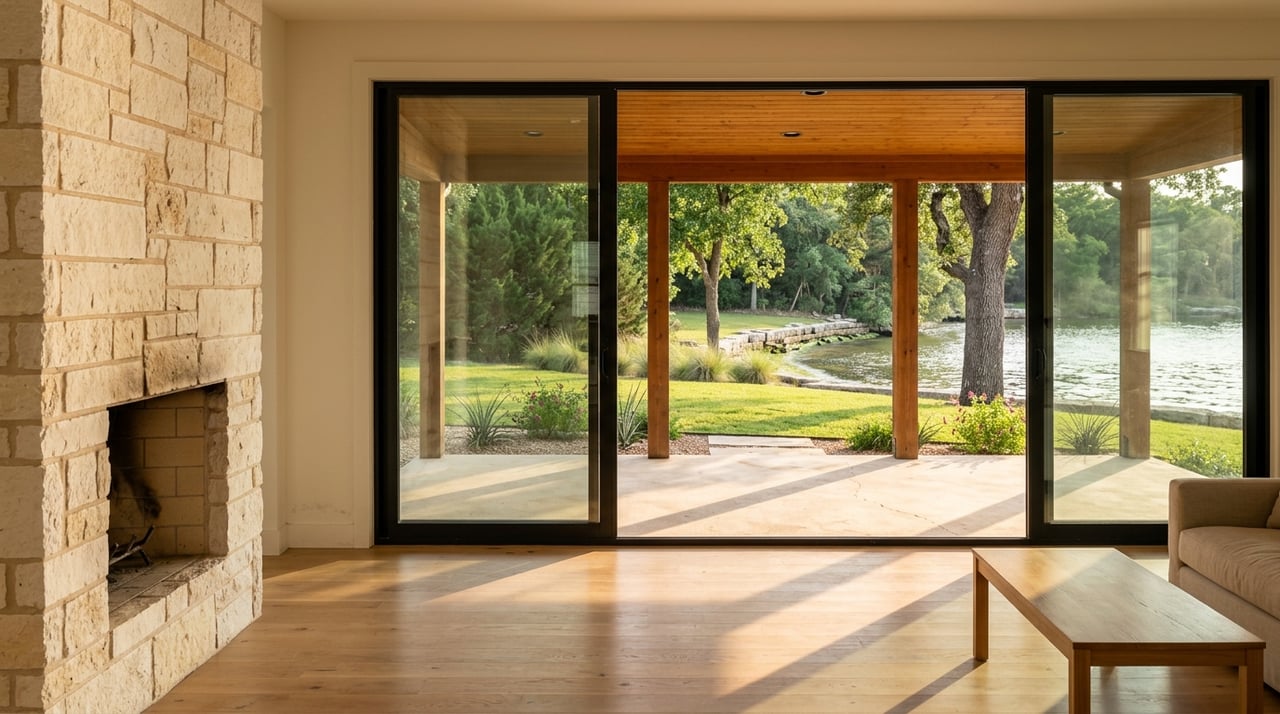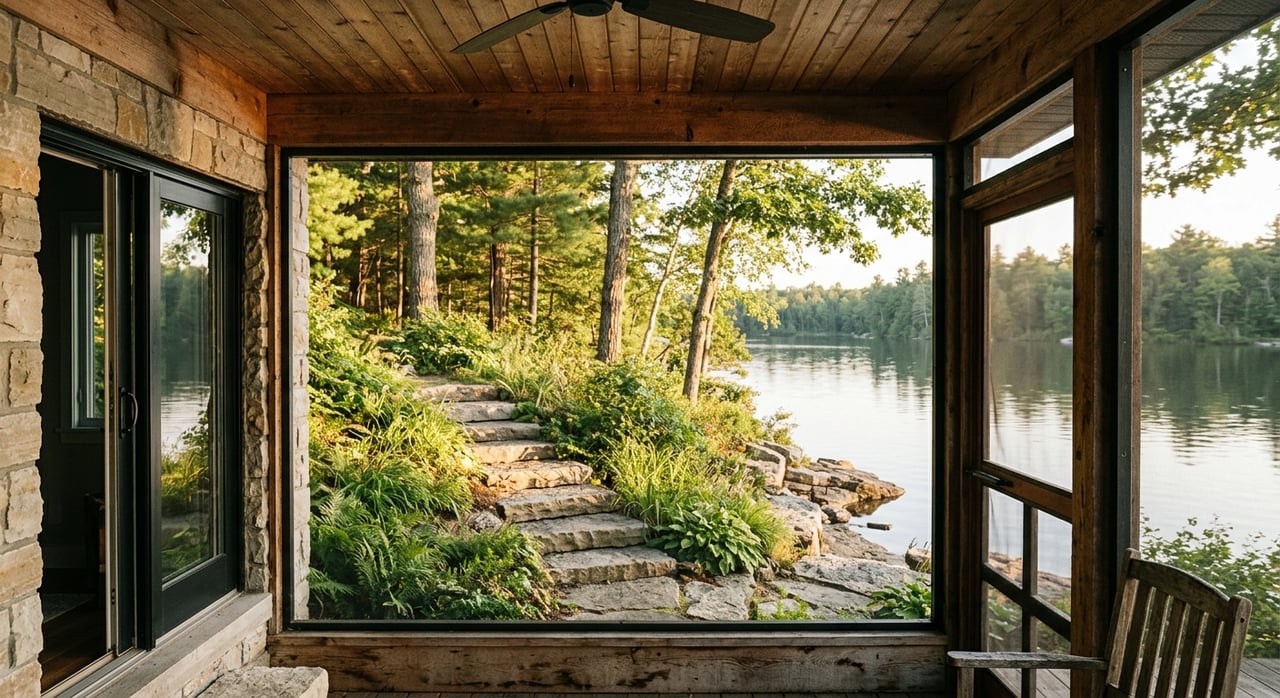
Picture this: weekends on the water, a steady stream of bookings in peak season, and a home you can enjoy when it is not rented. If you are weighing a Lake LBJ waterfront purchase, you want lifestyle and performance to work together. In this guide, you will learn how Lake LBJ’s constant‑level reputation, rental demand drivers, operating costs, and local rules shape returns so you can buy with confidence. Let’s dive in.
Lake LBJ basics and why it stands out
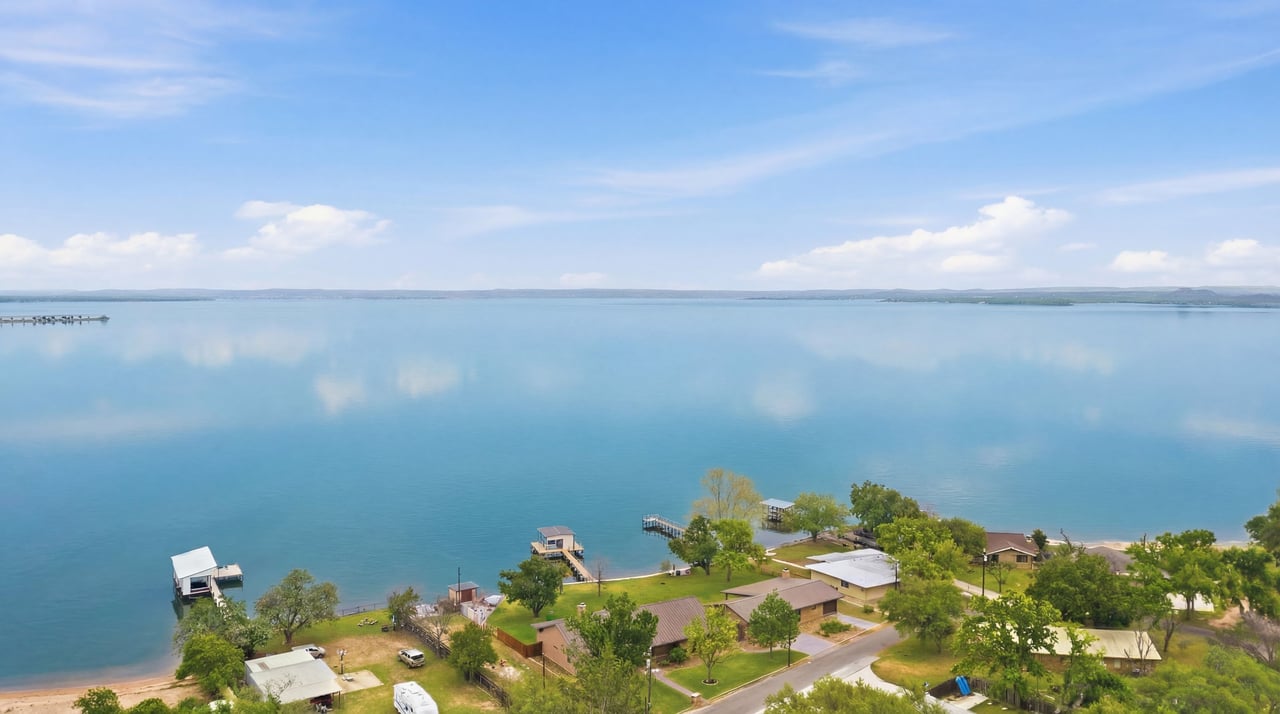
Lake LBJ is part of the Highland Lakes chain on the Colorado River in Central Texas. It is widely described as a constant‑level lake managed by the Lower Colorado River Authority (LCRA), which generally keeps water near a stable pool compared with lakes that rise and fall more. That stability helps protect shoreline usability and dock access across seasons. For investors, that can mean fewer interruptions to boating access and less risk of repeated shoreline rebuilds.
You should still verify current LCRA operations and recent lake level history before you buy. Drought, required releases, or policy changes can affect conditions in any given year. Ask your agent to review lake‑level trends and management updates as part of your due diligence.
Rental demand on Lake LBJ
Close to Austin and Hill Country
Lake LBJ sits about 1 to 1.5 hours from the Austin metro and draws visitors from across the Hill Country. That proximity fuels weekend getaways and repeat stays. Easy access matters for short‑term rentals because guests often choose lakes they can reach quickly.
Strong summer seasonality
Peak demand typically runs from late spring through summer, including Memorial Day, July 4th, Labor Day, and three‑day weekends. Shoulder seasons and winter tend to be softer, though anglers and event travelers still book. Plan for variable occupancy by month and price accordingly.
Amenities that drive bookings
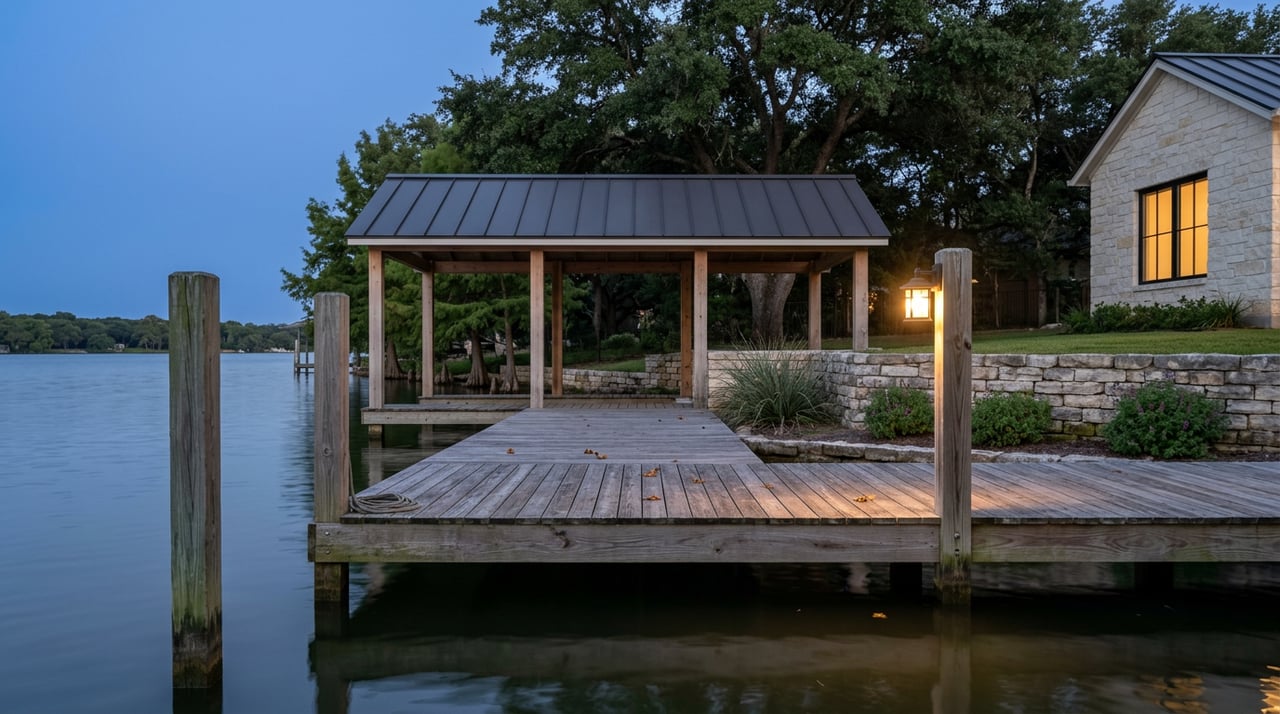
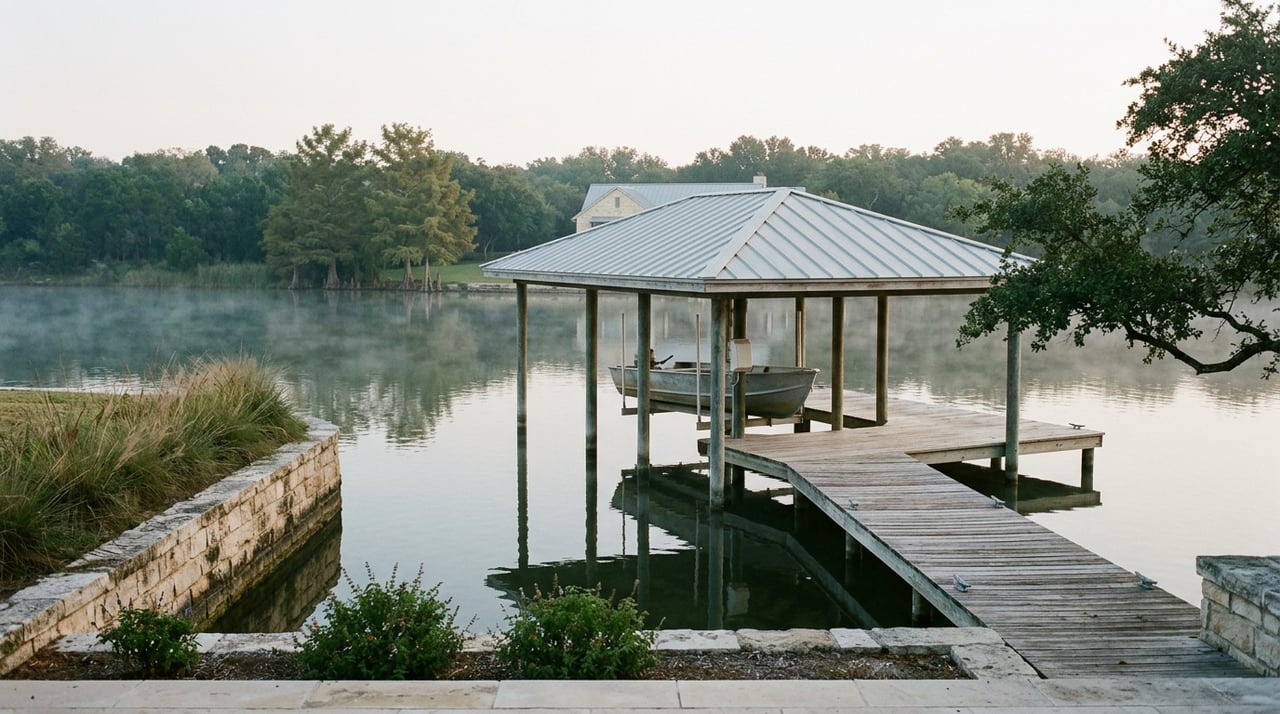
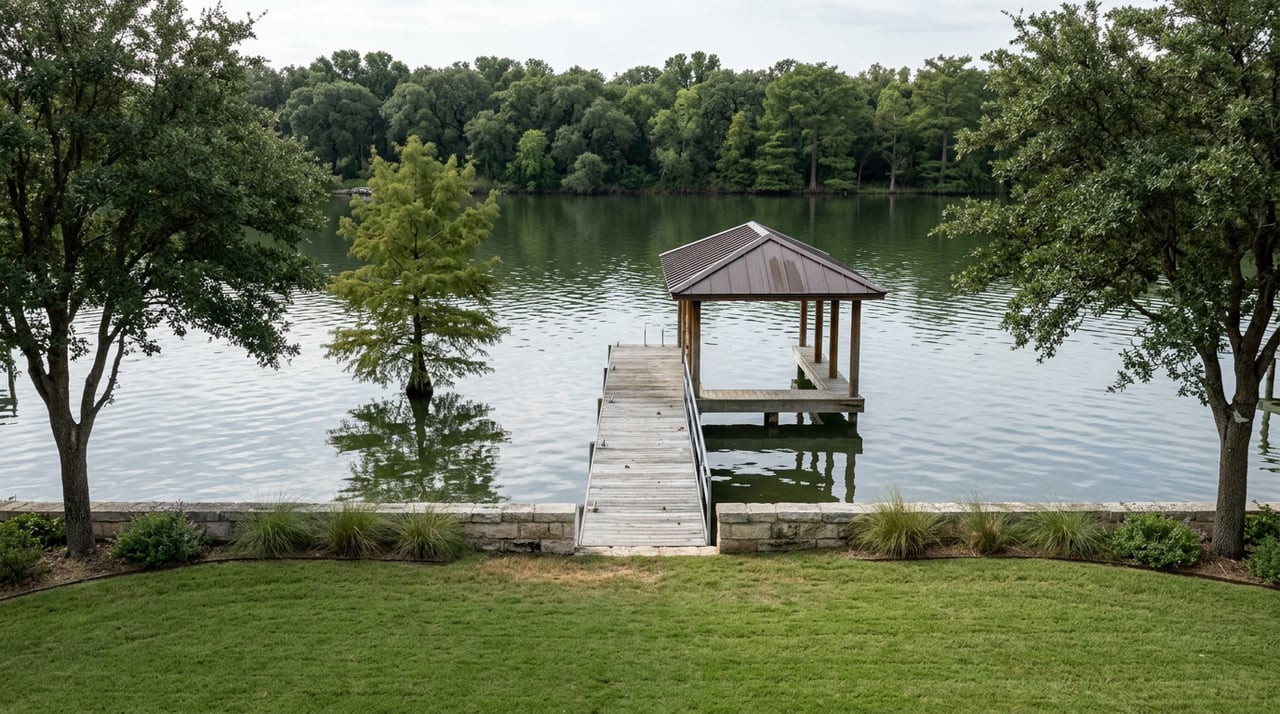
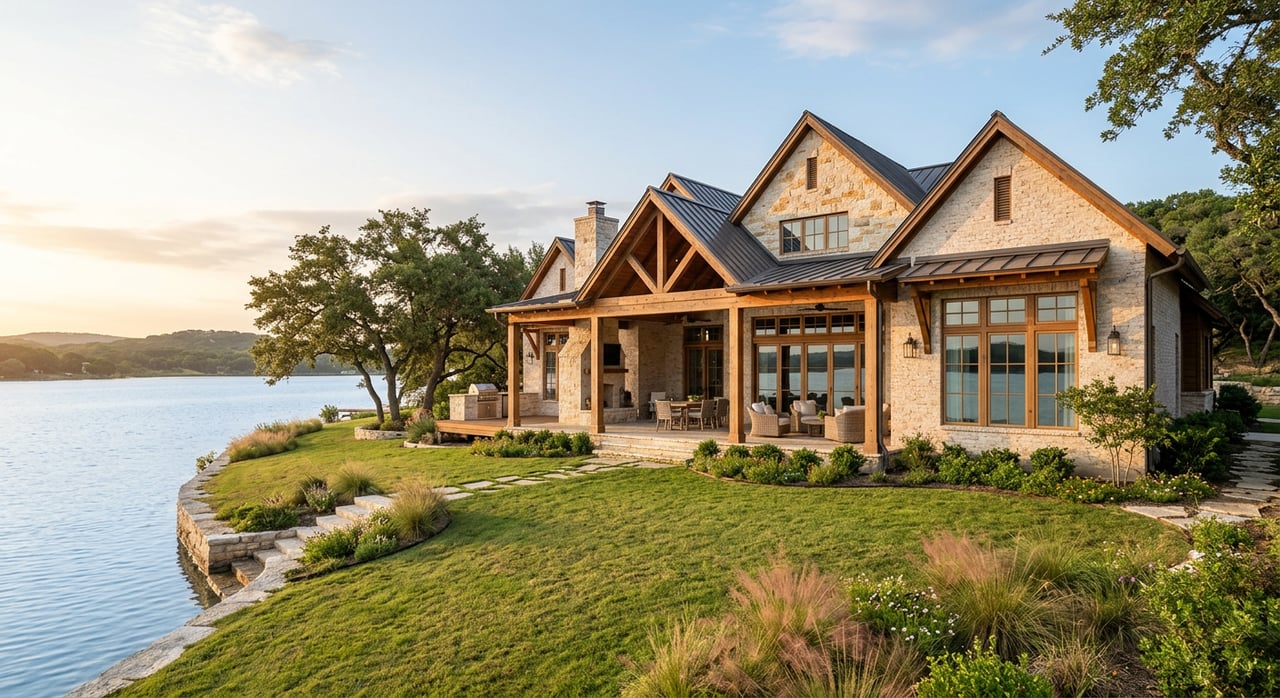
Waterfront features are the big draw. Private docks or slips, access to marinas and boat ramps, and nearby restaurants increase appeal. Proximity to resort areas such as Horseshoe Bay or to small‑town amenities in Marble Falls, Kingsland, and Granite Shoals can lift occupancy and average daily rate.
Investment math that matters
Core metrics to know
- Gross rental yield = annual gross rent divided by purchase price.
- Net operating income (NOI) = gross income minus operating expenses, before mortgage.
- Cap rate = NOI divided by purchase price.
- Cash‑on‑cash return = cash flow after debt divided by cash invested.
- Break‑even occupancy (for STRs) = fixed annual costs plus goal profit, divided by ADR times nights per year.
These help you compare properties and stress test assumptions before you make an offer.
Estimating revenue on Lake LBJ
Start with market data for comparable waterfront homes by bedroom count and cove. Pull average daily rate and occupancy from STR analytics tools and recent listings with similar amenities. Weight your model by season, since summer is the revenue engine and winter is slower. Do not forget to set holiday pricing, minimum stays, and realistic owner‑use days.
Expenses to budget upfront
- Fixed and annual: property taxes, homeowners and windstorm insurance, flood insurance if required, HOA dues, utilities baseline, internet and TV, and any LCRA or dock‑related fees.
- Variable and occupancy‑linked: STR management fees that can run roughly 18 to 30 percent, cleaning per turnover, consumables, lawn care, pest control, and potential septic pumping.
- Maintenance and capital: dock and boathouse repairs, seawall or shoreline work, roof and HVAC, appliances, paint, and code compliance. Waterfront features often increase long‑term capital needs, so build a larger reserve.
- Vacancy and reserves: hold back 5 to 15 percent or more of gross rents for vacancies and emergencies. Being conservative protects your return in lower‑demand months.
Financing and taxes
Lenders view second‑home and investment loans differently. If a property will be primarily rented, expect investment loan terms and higher down payments. For taxes, rental income is generally taxable but benefits from deductible expenses and depreciation, and owner use can change tax treatment based on vacation home rules. If you plan to offer short‑term rentals, register and remit state and local hotel occupancy taxes as required. Verify current rules with the Texas Comptroller and your local jurisdiction.
Rules, permits, and insurance
STR and HOA rules vary by area
The Lake LBJ shoreline crosses several cities and counties, including parts of Burnet County, Llano County, Marble Falls, Kingsland, and Horseshoe Bay. Each can have different short‑term rental permits, occupancy limits, and noise standards. Many HOAs set minimum stays or restrict STRs entirely. Review city or county ordinances and the HOA covenants, conditions, and restrictions before you write an offer.
Docks and shoreline work need approval
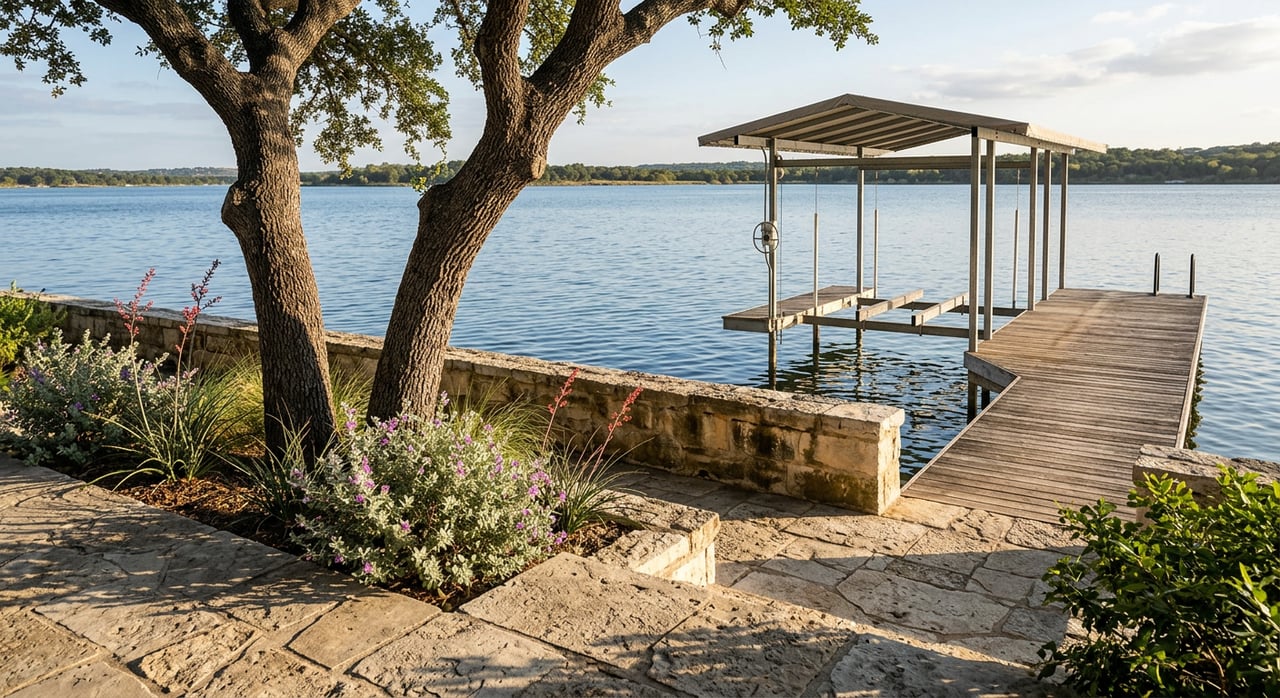
LCRA generally oversees docks, boathouses, and shore protection on the Highland Lakes. New construction, expansions, and certain repairs often require permits and inspections. Confirm that existing structures on the property were permitted and that there are no outstanding violations. Budget for permit fees and compliant construction standards when planning upgrades.
Insurance considerations on the water
Waterfront does not always mean high‑risk flood zone, but many parcels sit in areas where flood insurance is advisable or required by lenders. Central Texas also sees wind and hail exposure that can raise homeowners premiums. Obtain homeowners, wind, and flood quotes early, and include dock or boathouse coverage. Premiums can materially affect your annual return.
Environmental checks worth doing
Regional water quality advisories and algal blooms can happen and may dampen bookings during events. Shoreline erosion or sediment buildup can require costly fixes such as riprap or seawalls. Ask about cove boat traffic and typical noise patterns, since heavy traffic can affect guest experience and maintenance at your dock.
Property and neighborhood fit
Main‑lake vs cove value
Main‑lake frontage offers big views and fast access to open water, which often commands higher prices and nightly rates. It can also mean more wind, wave action, and boat traffic. Protected coves can be more comfortable for swimming and paddle craft and may yield steadier shoulder‑season occupancy.
Amenities that move the needle
Private, well‑maintained docks with slips are among the strongest drivers of demand and ADR. Bedroom and bathroom count must match your comps to set pricing. Outdoor living such as covered decks, kitchens, and lakeside fire pits can extend the season and boost reviews. Ensure parking accommodates vehicles, boats, and trailers within neighborhood rules.
Utilities, septic, and access
Confirm whether the home has city water and sewer or a private well and septic system. Septic capacity and condition can influence guest limits in some jurisdictions and affect maintenance costs. Also look at road access, slope, and parking layout, since steep drives or narrow easements can limit usability for larger groups.
Neighborhood snapshots to explore
- Marble Falls and Granite Shoals: close to full‑service amenities that support longer stays.
- Kingsland, Sunrise Beach, and Highland Haven: central access with a mix of permanent residents and vacation rentals.
- Horseshoe Bay and resort pockets: higher‑end product and amenities, often with stricter HOA rules on rentals.
Due diligence checklist
Before you make an offer, line up answers for these essentials:
- Confirm city or county STR rules, required permits, and HOA policies.
- Pull STR comps for similar waterfront homes by cove and bedroom count.
- Request LCRA records for the dock and any shoreline work, and verify permits.
- Get homeowners, wind, and flood insurance quotes and factor premiums into returns.
- Review FEMA flood maps and any available elevation certificates.
- Verify sewer or septic; obtain inspection and pump records if applicable.
- Ask for a recent survey to confirm shoreline, setbacks, and easements.
- Request shoreline and erosion history and any seawall repair documentation.
- Price out dock and shoreline maintenance or replacement with local contractors.
- Speak with local property managers about ADR, seasonality, minimum stays, and cleaning fees.
- Clarify loan classification and terms for second‑home versus investment financing.
Key data to collect
To compare options side by side, gather these metrics for each property:
- ADR by season and average ADR for comparable waterfront 3‑ and 4‑bedrooms.
- Average occupancy by month and annual occupancy rate.
- Typical STR management fee and cleaning fee per turnover.
- Property tax rate and recent tax bills from the local appraisal district.
- Insurance premium differences between waterfront and nearby inland homes.
- Recent costs to repair or replace docks, boathouses, or seawalls in the market.
Risks and how to mitigate them
- Regulatory change: Cities or HOAs can tighten STR rules. Mitigation: verify today’s rules and include contingencies tied to rental approvals.
- Dock and shoreline costs: Hidden repairs can derail returns. Mitigation: inspect docks and seawalls and budget a higher capital reserve.
- Insurance volatility: Premiums can rise or carriers can exit. Mitigation: secure quotes early and stress test your model with higher premiums.
- Seasonality dependence: Summer drives most revenue. Mitigation: set conservative winter occupancy, build a cash cushion, and tailor amenities for shoulder seasons.
- Water quality and traffic: Advisories or heavy boat traffic can impact bookings. Mitigation: choose coves with favorable conditions and communicate rules and expectations to guests.
Bottom line: Is Lake LBJ a smart buy?
With stable water levels compared with many Texas lakes, strong summer demand, and easy access from Austin, Lake LBJ can be a compelling investment for second‑home owners and STR operators. The returns hinge on picking the right cove, pricing to seasonality, and budgeting for waterfront‑specific costs like docks and shoreline care. If you do the homework on rules, insurance, and maintenance, a Lake LBJ waterfront can deliver both lifestyle and income.
Ready to explore the best opportunities and run a property‑specific pro forma? Connect with the local team at Landmasters Real Estate for waterfront guidance backed by five decades of Hill Country experience.
FAQs
What makes Lake LBJ different for investors?
- Its widely cited constant‑level management helps preserve dock access and reduces shoreline disruption compared with lakes that fluctuate more.
How do short‑term rental rules work around Lake LBJ?
- Rules vary by city, county, and HOA, so you should confirm permits, minimum stays, occupancy limits, and enforcement before you buy.
Do I need flood insurance for a Lake LBJ home?
- Not every waterfront parcel is in a high‑risk zone, but many lenders require flood coverage, so pull FEMA maps and quotes during due diligence.
What expenses surprise first‑time lake investors?
- Dock, boathouse, and shoreline maintenance can be significant over time and should be included in your reserve budget.
How does a main‑lake location affect returns?
- Main‑lake homes often command higher ADRs and prices due to views and access, but they can face more wind, waves, and traffic.
What is a quick way to screen a Lake LBJ listing?
- Estimate ADR and occupancy from similar waterfront comps, subtract realistic management and operating costs, then compare NOI and cap rate to your targets.