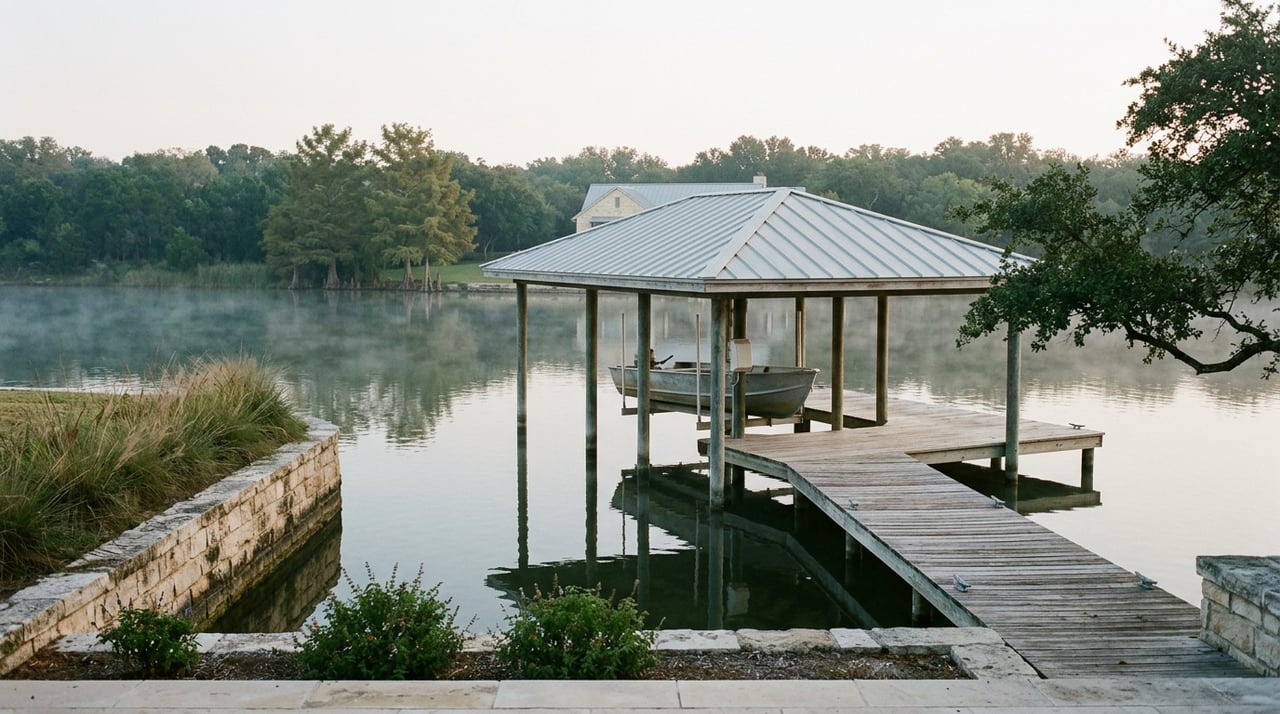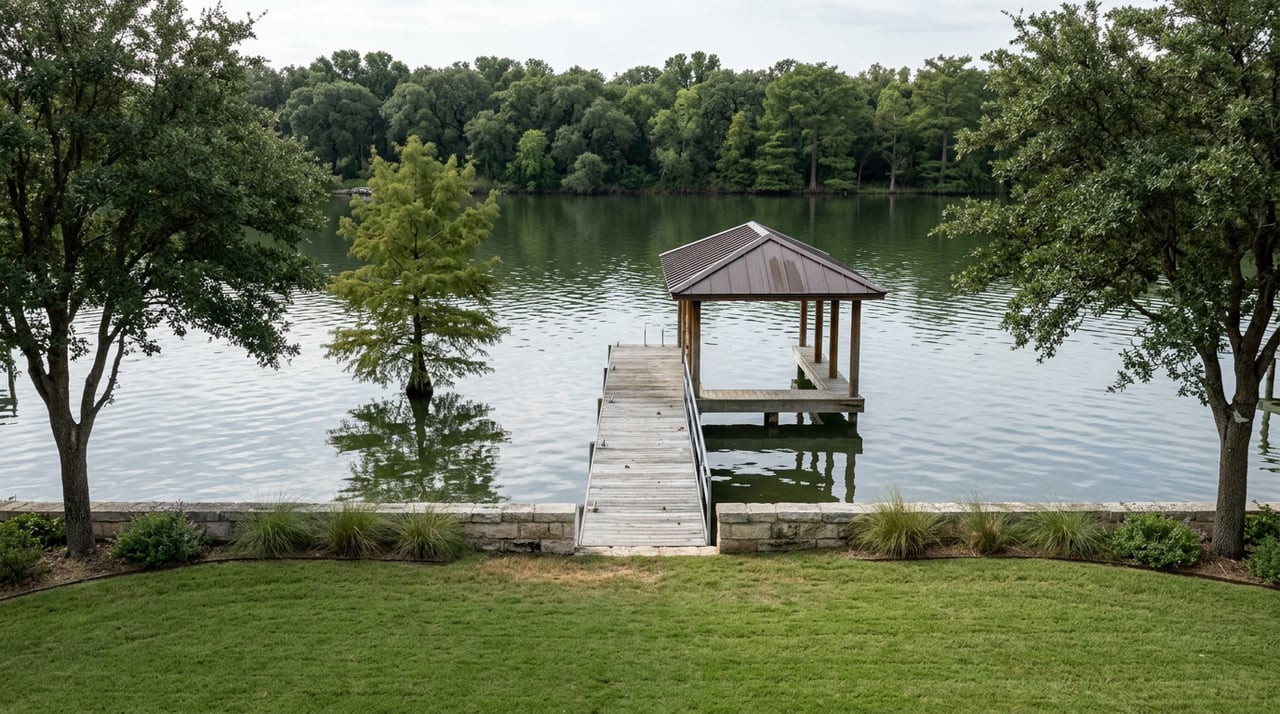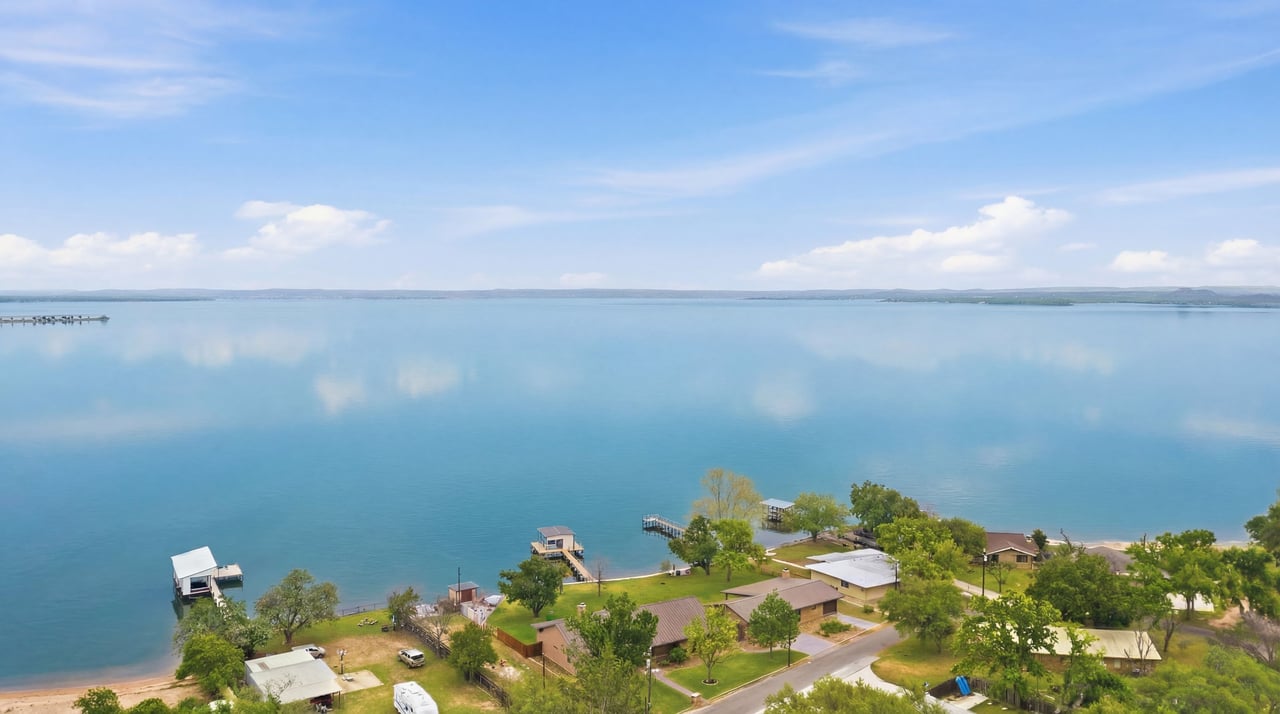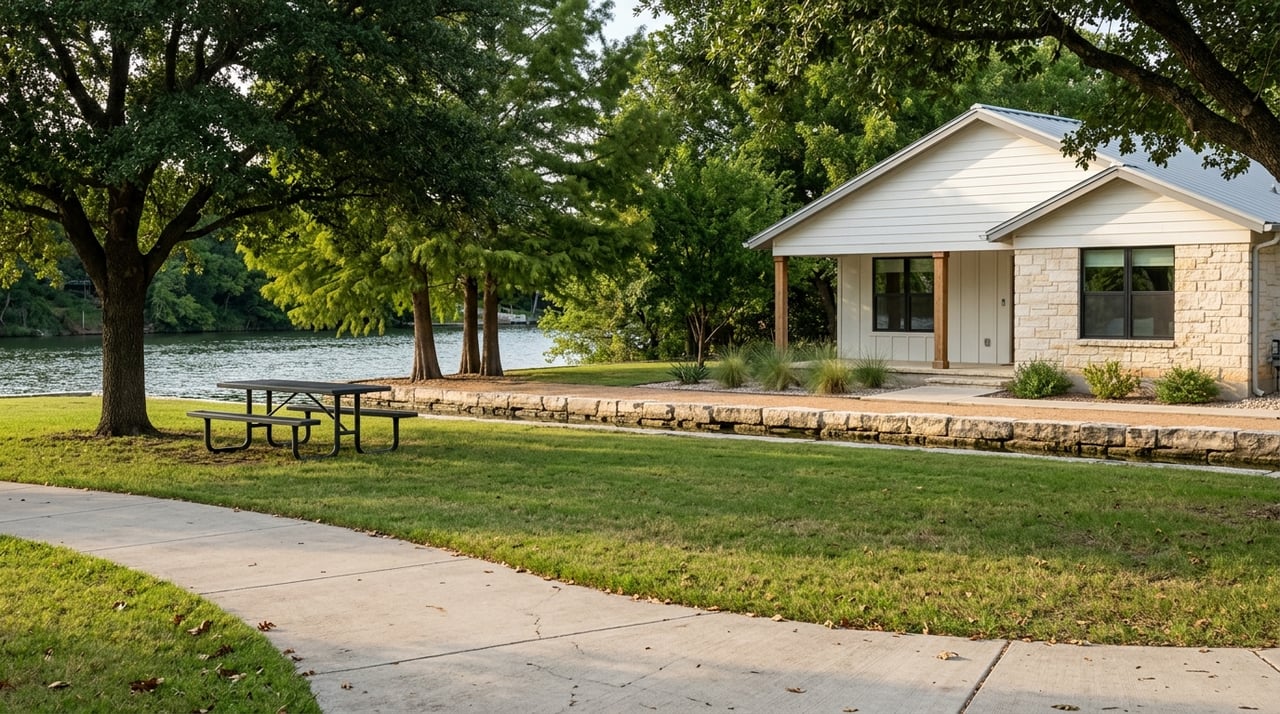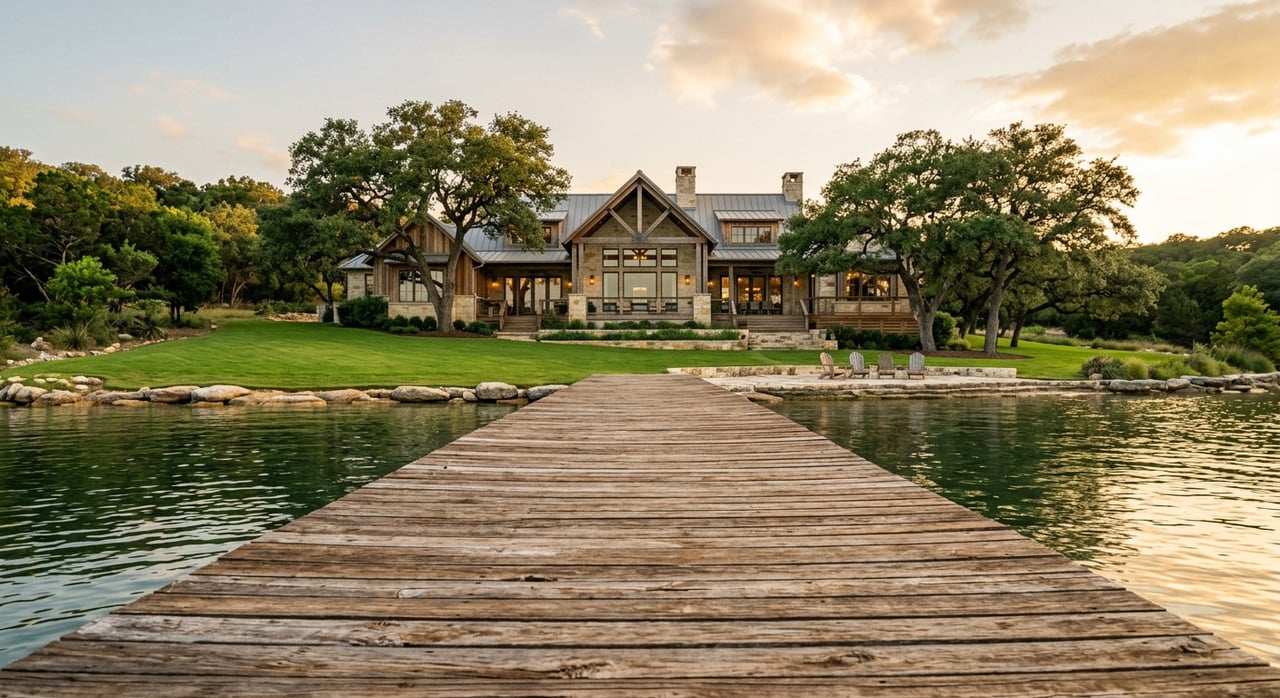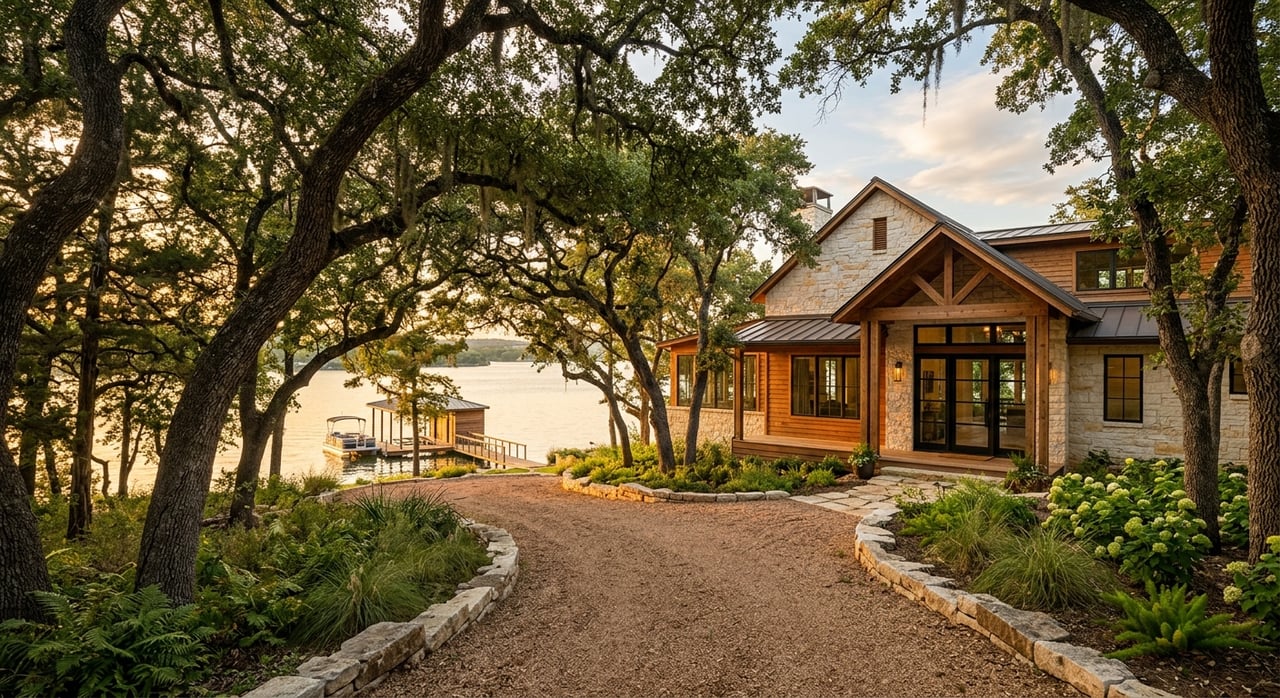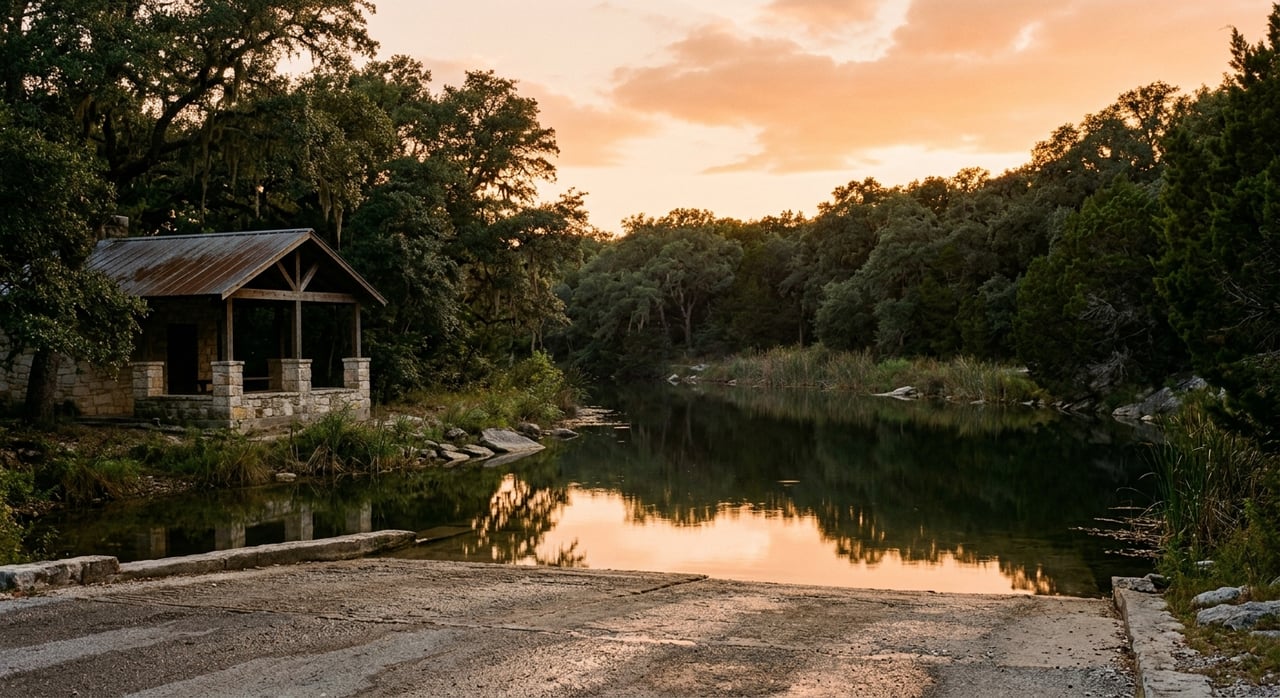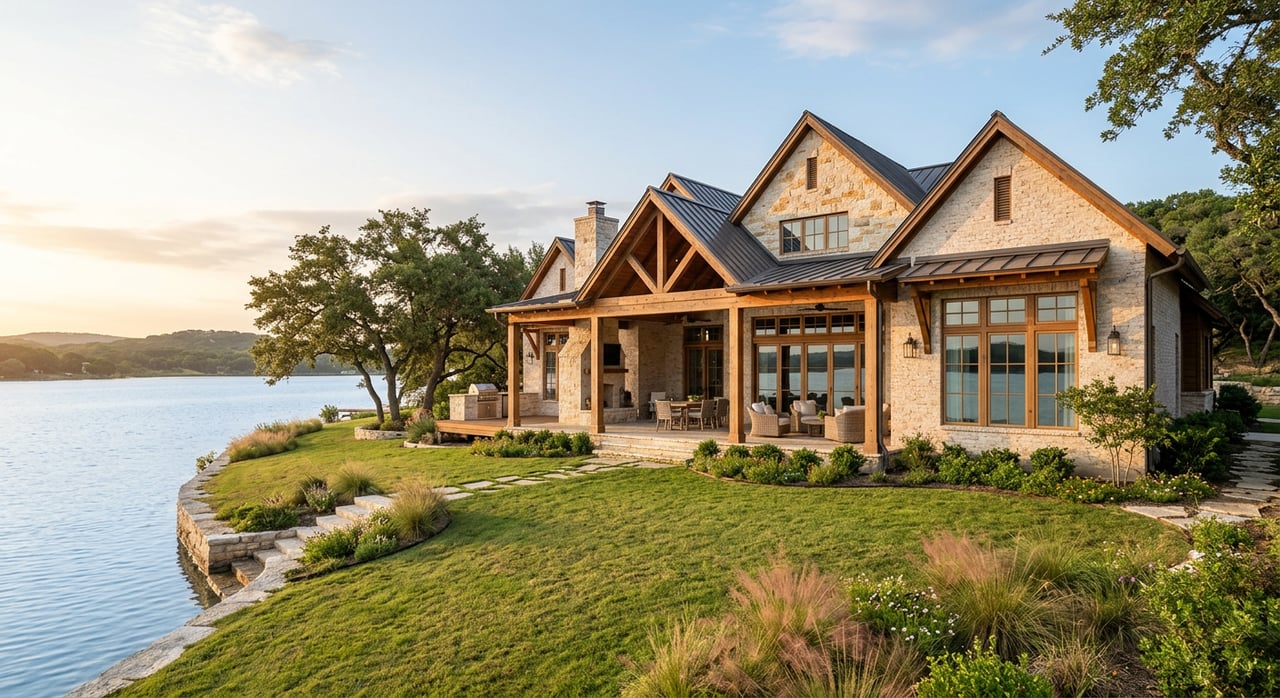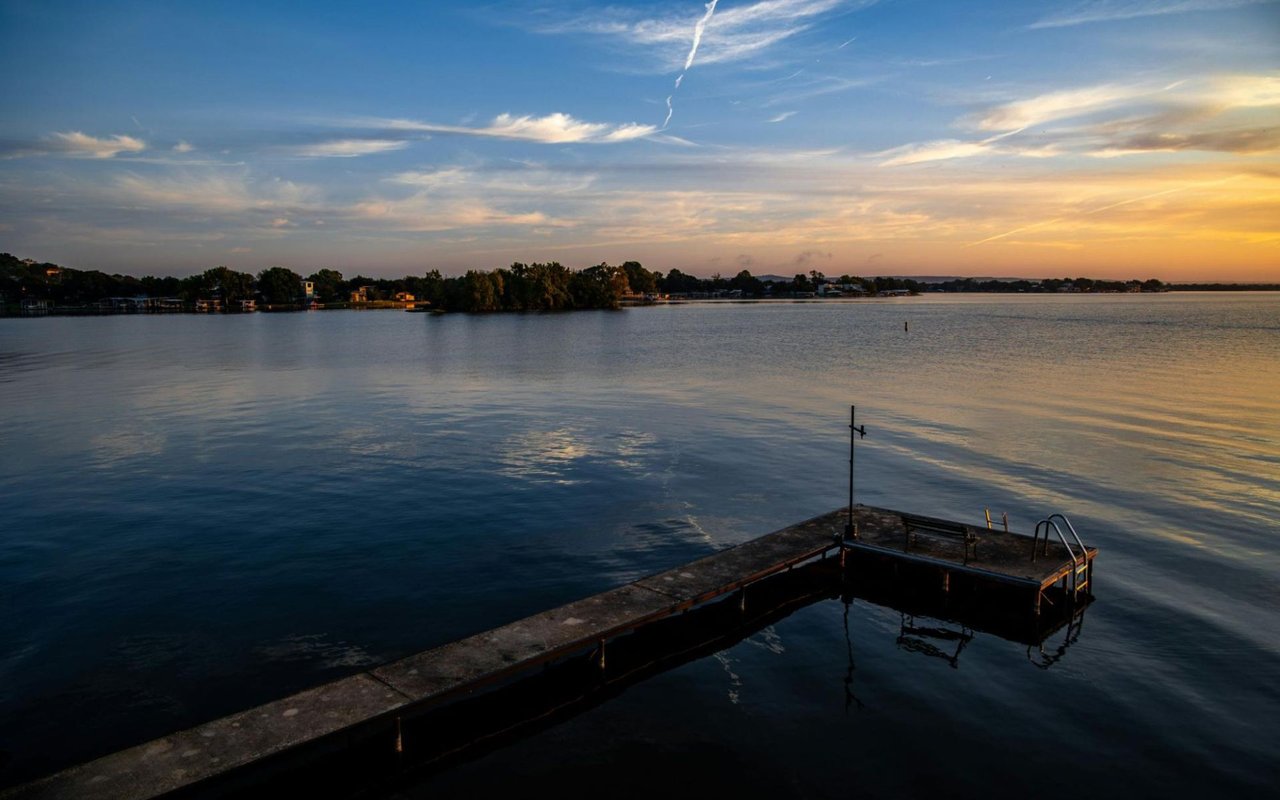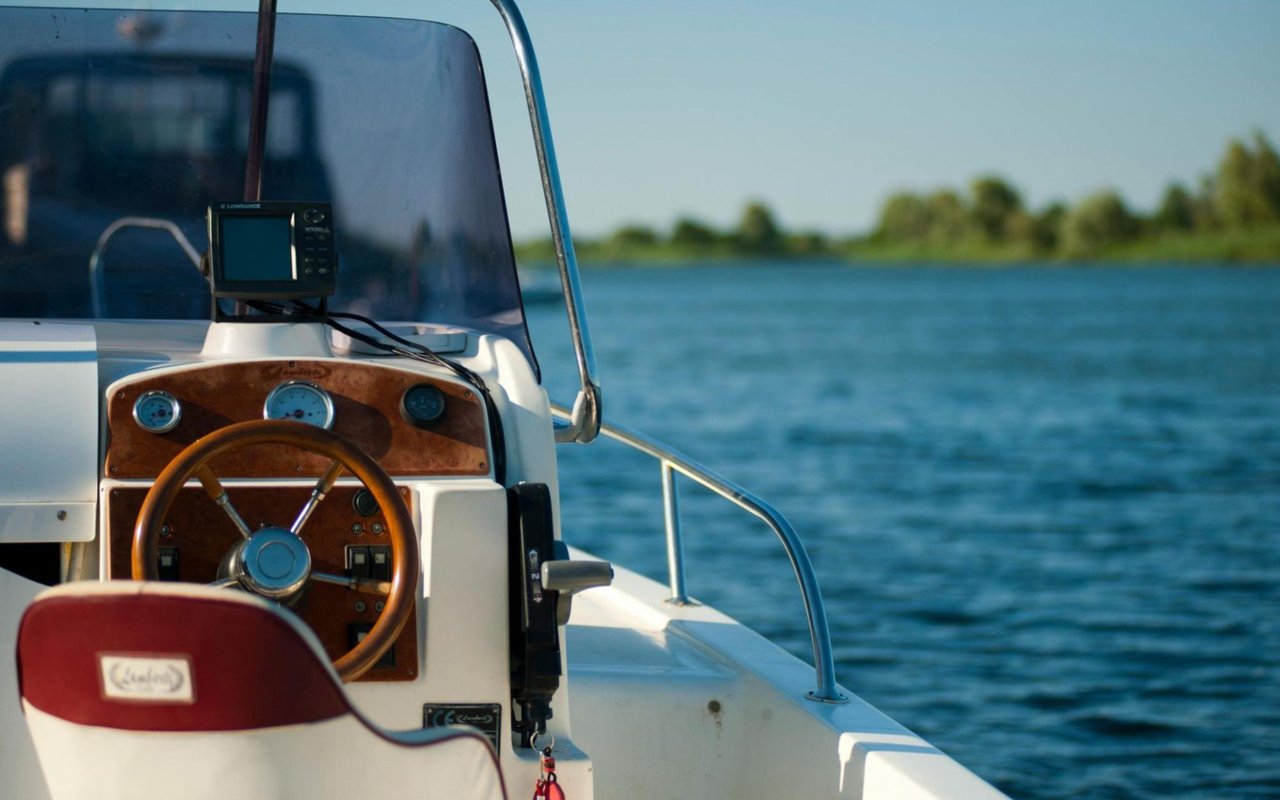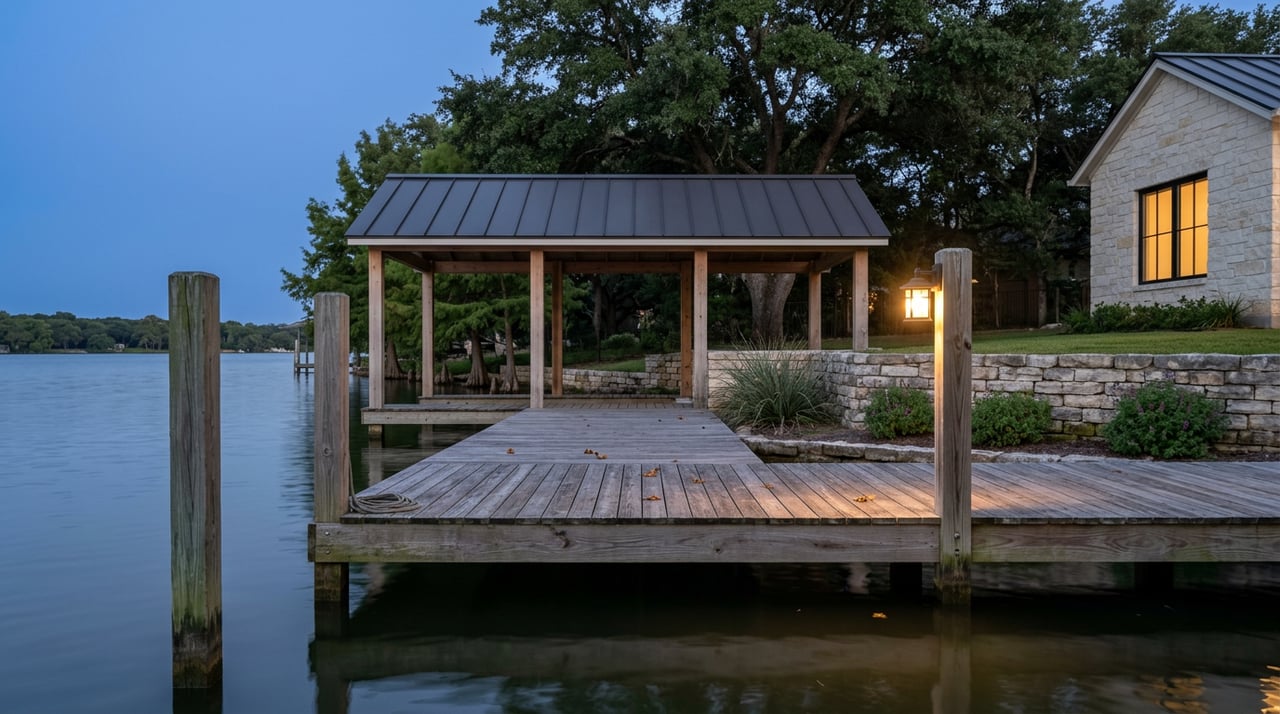
Drive the shoreline roads in Granite Shoals on any weekend afternoon and you will pass block after block of private docks, most of them attached to homes you cannot see from the street. Lake LBJ frontage here is almost entirely privately owned, the way it is in most of the Highland Lakes. What makes Granite Shoals different is what the city did about the people who do not own that frontage. Fifteen of its 19 public parks sit on the water, and eight of those have boat launch ramps. No other city or community on Lake LBJ comes close to that number, according to Granite Shoals Police Chief John Ortis, who has said as much directly to local reporters covering the city's boat ramp policy.
That fact alone is not the story. The story is what the city did with it this year. Across three separate council actions in 2026, Granite Shoals rewrote the rulebook governing who launches for free, who pays, and how much, closing out a process that had been building since the ramps went digital two summers ago.
Why a lake town needed eight public ramps in the first place
Most lake communities in the Highland Lakes solved public water access one of two ways: either the state or the river authority built a handful of regional ramps, or private marinas filled the gap for a fee. Granite Shoals took a third path. Because the city incorporated around a lake resort development rather than growing up alongside one central marina, it ended up owning a scattered network of small waterfront parcels instead of one large public beachfront. Over time those parcels became parks, and enough of them included a boat ramp that the city now operates eight of them across neighborhoods like Castle Shoals, Blue Briar, and Timberhill.
Chief Ortis put the logic behind this plainly when the city first rolled out QR-code payment kiosks at the ramps: the fee system was never about charging people to use the lake itself. It was about maintaining land the city owns.
"This is not about usage of the lake, this is about the usage of city-owned land and parks. We have more public boat ramps than any other city or community on Lake LBJ, and the majority of the people who use our boat ramps are out-of-towners."
That distinction matters more than it sounds. Lake LBJ is a shared public waterway managed by the Lower Colorado River Authority. The ramps that reach it are not. Every ramp sits inside a city park, on city-owned land, maintained with city money, which is exactly why Granite Shoals has the legal room to charge nonresidents while keeping access free for the people whose property taxes fund the parks in the first place.
The year the city closed the loop
The current rules did not arrive all at once. They came together across three separate actions this year, each one tightening a system the city had been running in a slightly different form since 2019.
| When | What happened |
|---|---|
| January 2026 | City reminded residents that boat launch permit stickers expire every December 31 and must be renewed annually to keep free ramp access |
| March 2026 | Council voted to double the nonresident daily launch fee from $10 to $20, alongside a community center rental fee increase, citing rising maintenance costs |
| August 2026 | Council approved an ordinance cleanup, capping free resident passes at two per household and clarifying nonresident pass terms |
The January step was routine, the kind of reminder cities send every year. The March vote is where the money changed. Council members moved to double the nonresident daily fee after the city's Parks Committee reviewed what it actually costs to keep eight ramps and 19 parks in working order. The annual nonresident pass held steady at $200, and residents kept free access as long as their sticker was current.
The August meeting is where the paperwork finally caught up to the money. At the council's August 25 session, staff walked through a review that had turned up redundant language left over from earlier versions of the ordinance. Ortis, presenting the changes, said the update mostly removed wording that no longer served a purpose. But buried in the cleanup was a substantive change: households are now capped at two free annual launch passes, with any additional pass for the same address costing $20 in administrative fees. Nonresident daily passes were confirmed to expire at the end of the day they are issued, with same-day boat retrieval included at no extra charge, and the $200 annual nonresident pass was clarified as non-prorated and non-transferable for the remainder of the calendar year it is purchased in.
What this actually means if you live here
For most single-boat households, nothing changes. You still register once, get your sticker, and launch for free at any of the eight ramps for the rest of the year. The change matters most to households with more than one boat, or more than one adult who tows independently, since a second household pass now carries that $20 administrative charge rather than being automatically free.
For anyone hosting visiting family or friends who bring their own boat, the math shifted too. A weekend guest launching without a resident in the boat now pays $20 for the day instead of $10, a change that took effect back in March and was simply written into cleaner language in August. If that guest plans to come back several times a season, the $200 annual nonresident pass starts to look like the better deal, since it covers unlimited launches through December 31 regardless of when in the year it is purchased.
Where the fee money actually goes
Every dollar collected from nonresident passes lands in a restricted parks fund. By ordinance, that money can only be spent on the city's 19 public parks, not on police, streets, or general operations. It pays for the boat ramp equipment itself, the lock box receptacles and permit envelopes, and repairs to the ramps and surrounding park land.
It is also part of what keeps places like Quarry Park running. The park sits next to City Hall on land that used to house the operations of a granite quarrying company, and today it includes covered tennis courts, a butterfly garden, and the Manzano Hike, Bike and Run Trail, named for Granite Shoals native and Olympic silver medalist Leo Manzano. None of that infrastructure came from a marina fee or a state grant. It came from the same restricted fund that the $20 nonresident boat pass feeds into, which is the clearest evidence that the city's parks-first approach to lake access pays for itself in more than one way.
The practical takeaway
If you already live in Granite Shoals and own a boat, the one thing worth doing before your next trip to the water is checking that your permit sticker is current for 2026. If it lapsed at the end of last year and you have not renewed, you are technically a nonresident at the ramp until you do, and the city's ordinance allows a $200 citation for launching without a valid pass. Renewal is simple: an application to City Hall at 2221 N. Phillips Ranch Road, by mail, email, or in person, gets you a new sticker.
If you are weighing a second vehicle pass for a spouse, adult child, or a boat you keep at a second address in town, budget the $20 administrative fee rather than assuming it is automatically free the way the first two passes are.
And if you are simply trying to understand why a town this size feels this generous with its shoreline, the answer is not luck. It is a deliberate structure, built park by park since the 1960s, funded in a way that asks visitors to help pay for what residents already own a share of.
Granite Shoals did not get more boat ramps than anywhere else on Lake LBJ by accident, and the city did not spend a year rewriting the rules around them for no reason either. Both are the product of a small town treating its public land as public land, worth maintaining, worth funding, and worth getting the paperwork right on.
If you're weighing a move to the Lake LBJ area or thinking about what your own waterfront access could look like here, LandMasters Real Estate has spent decades getting to know these shoreline communities from the inside. Reach out for an Instant Home Valuation or a conversation about what life on this stretch of the lake actually looks like day to day.