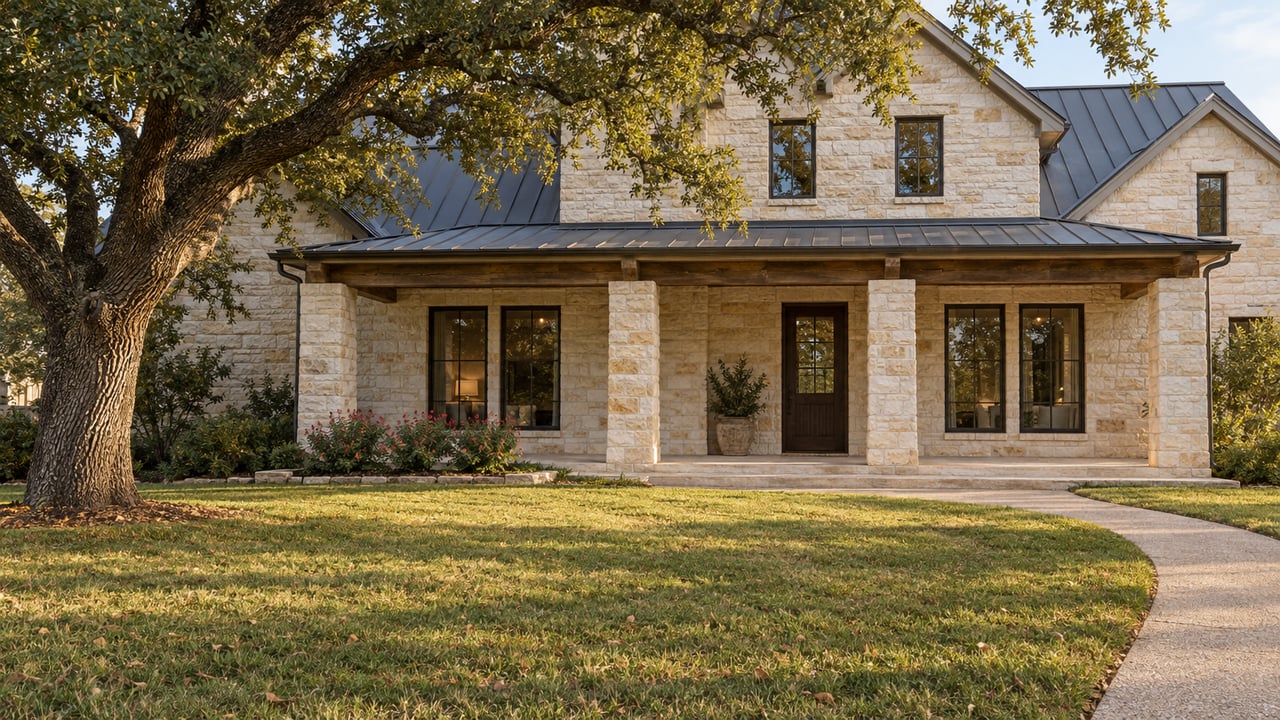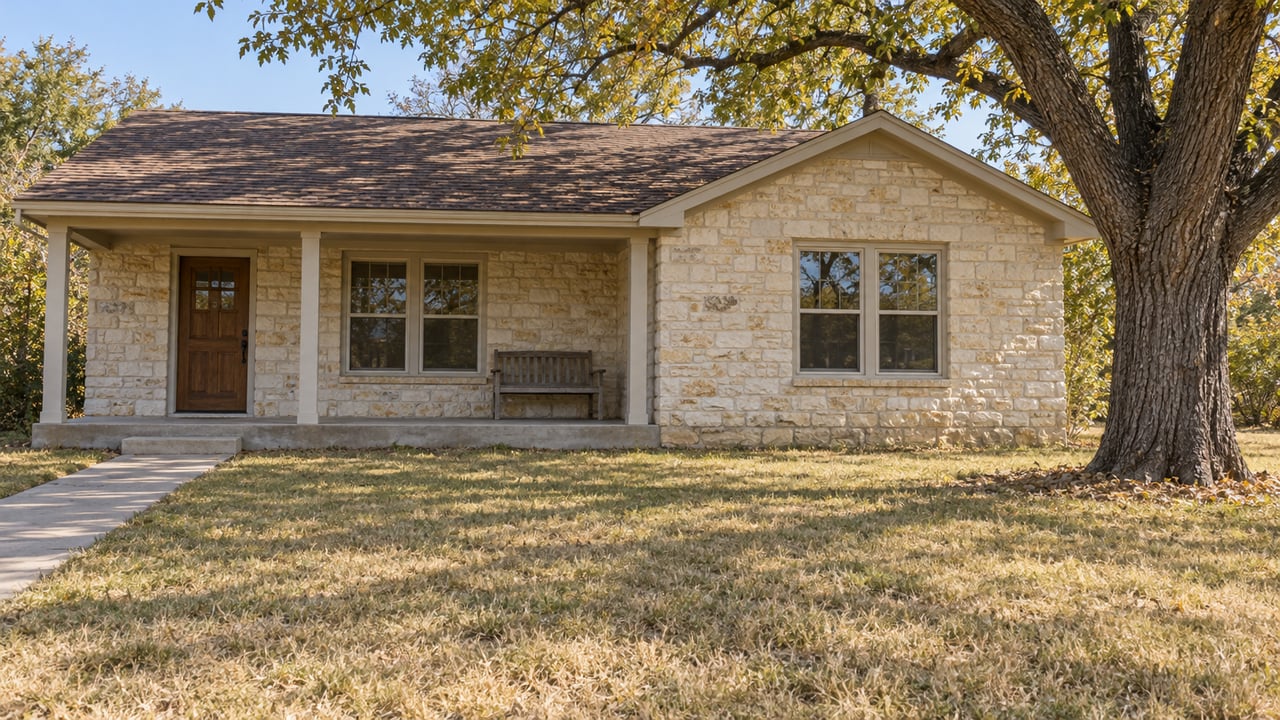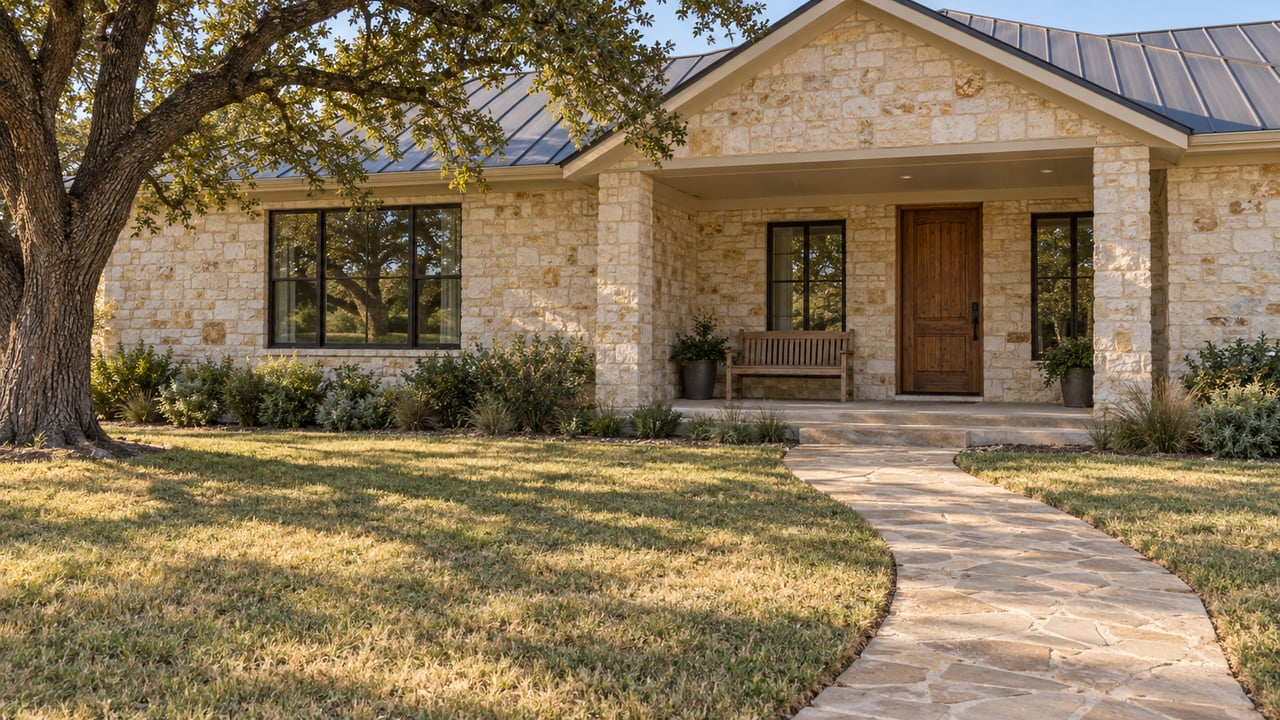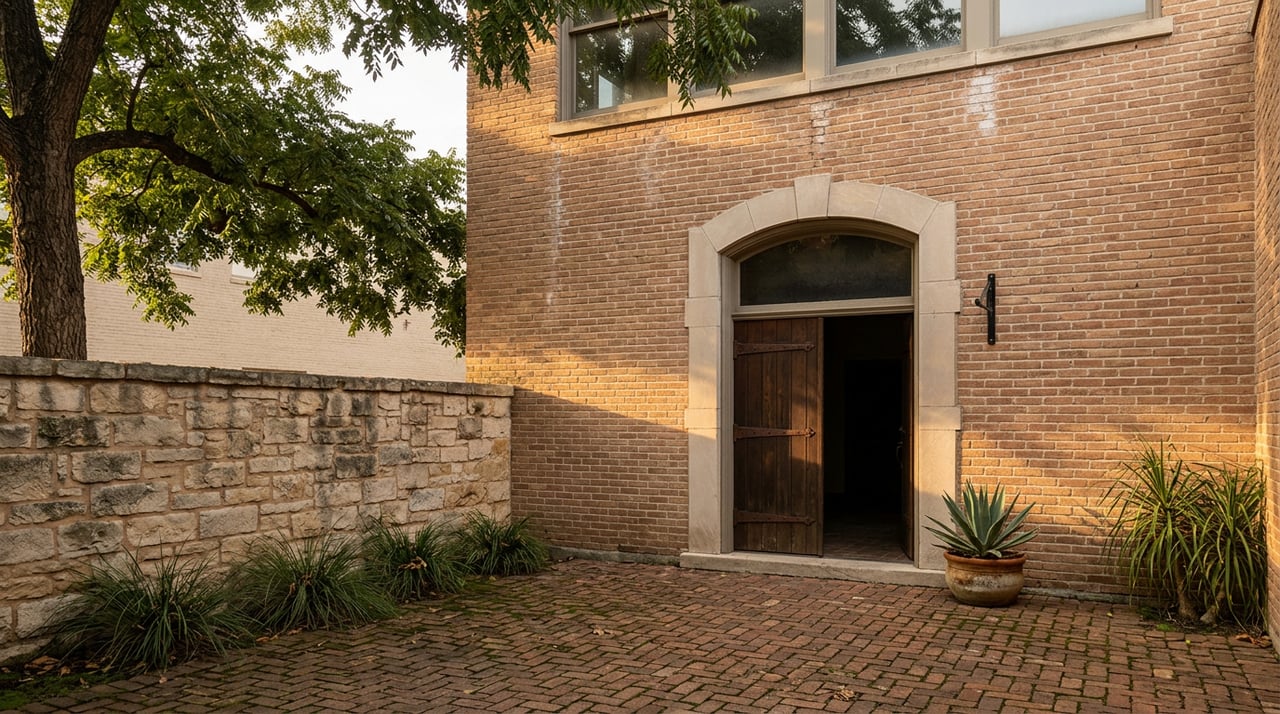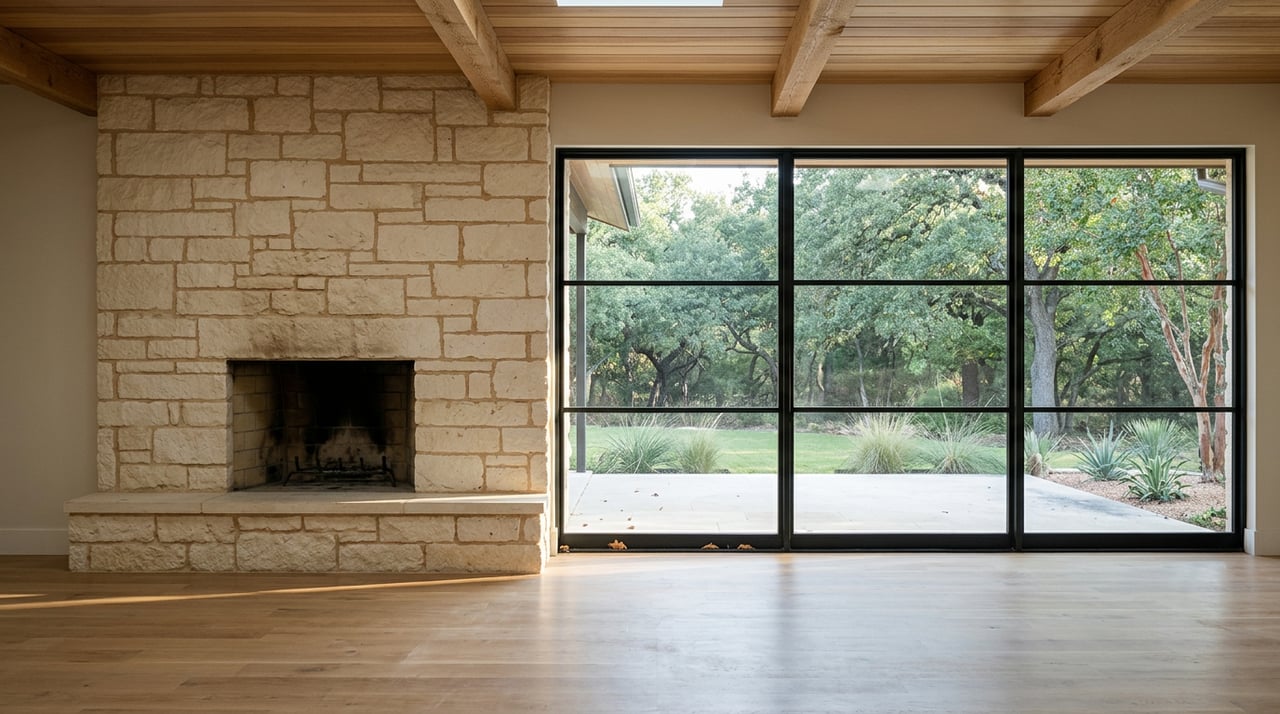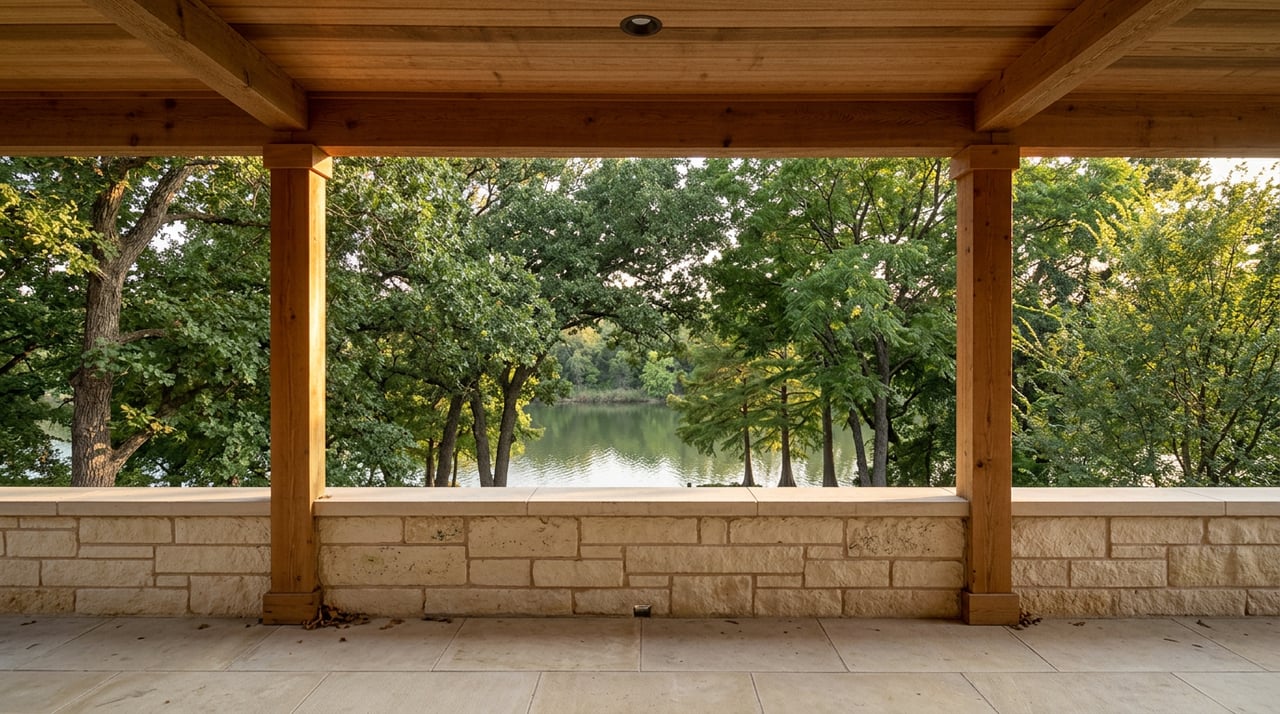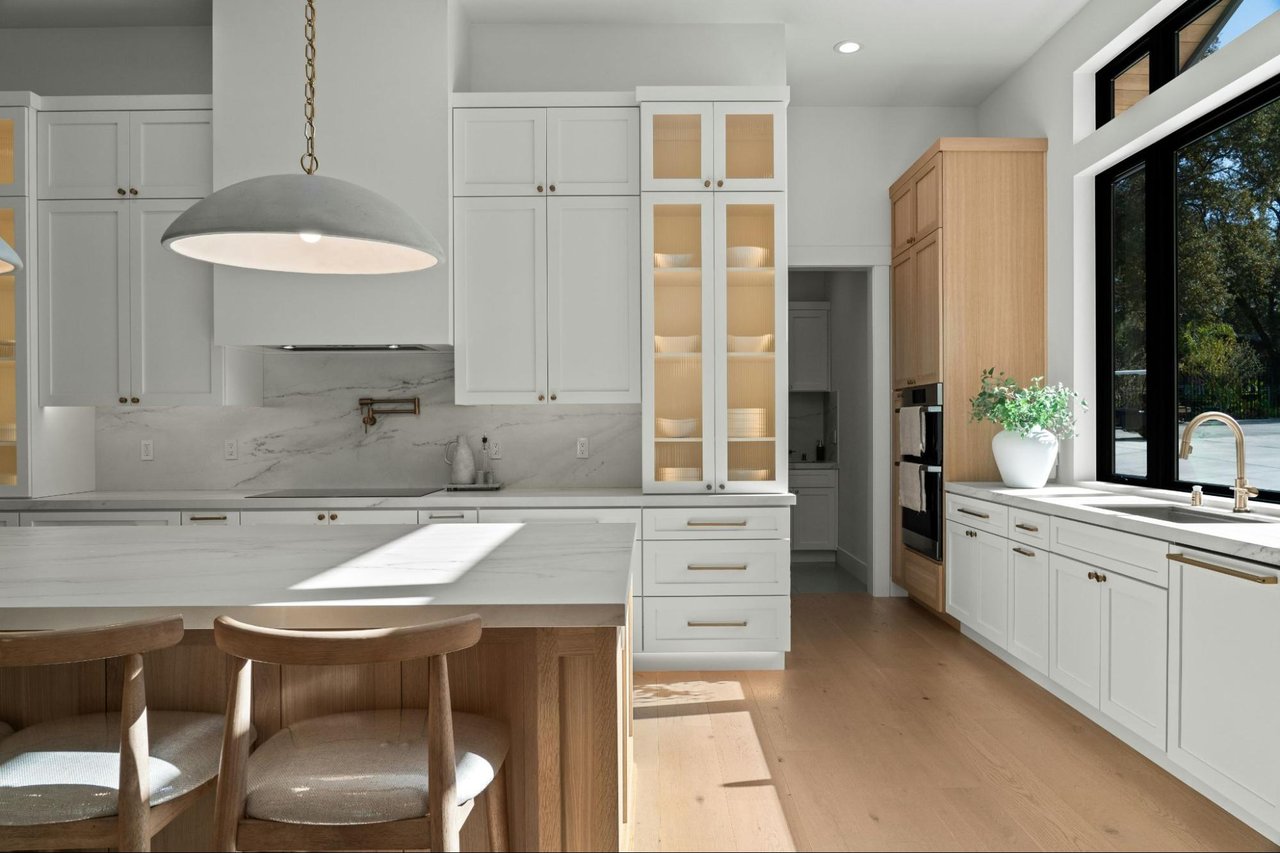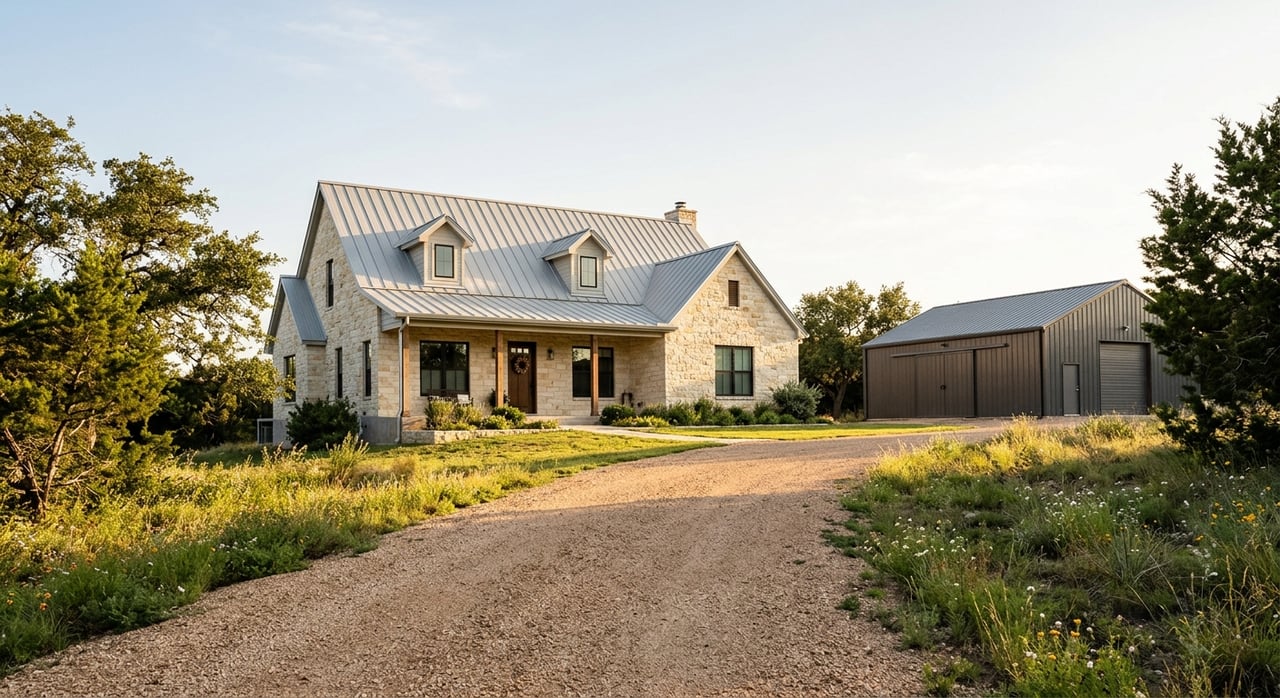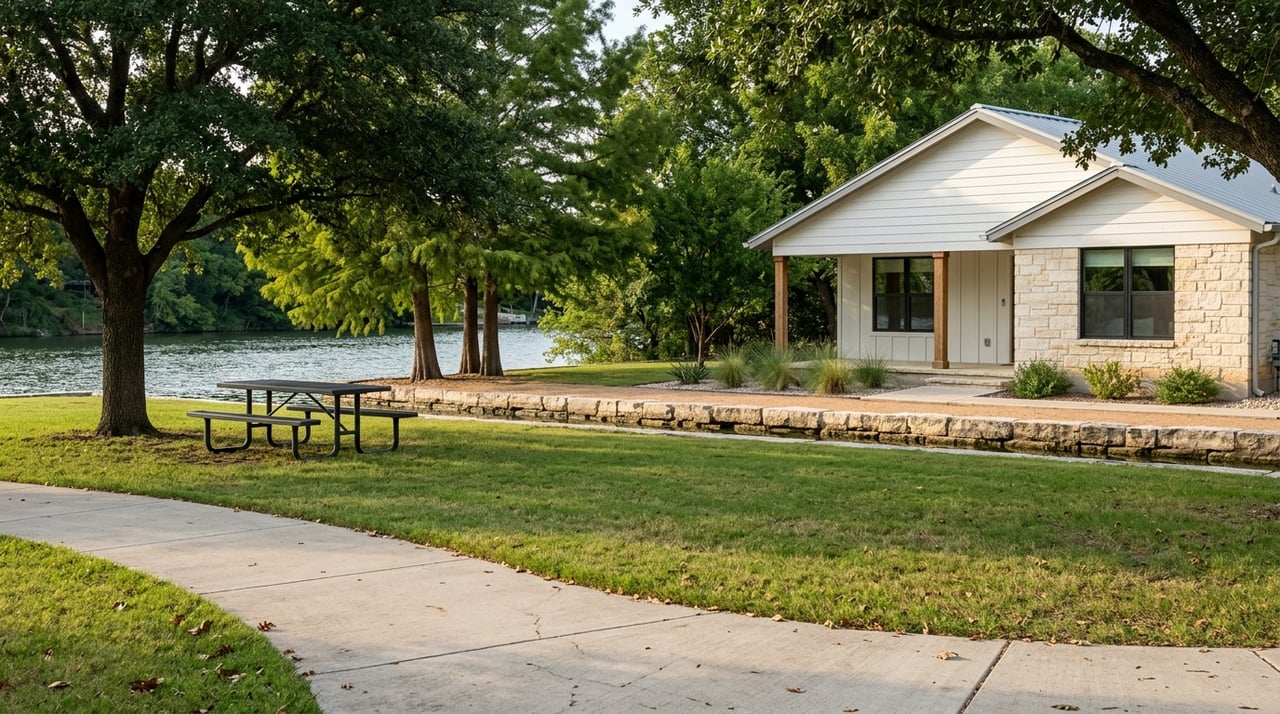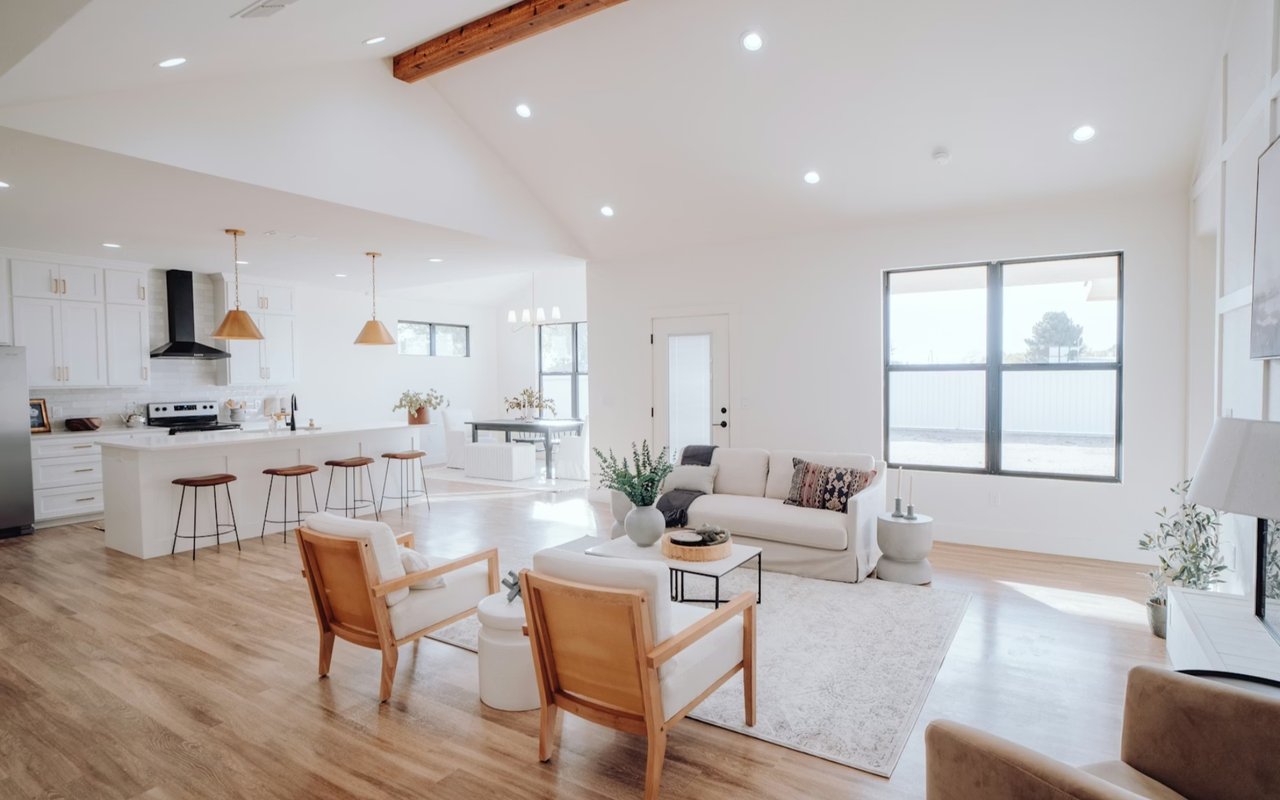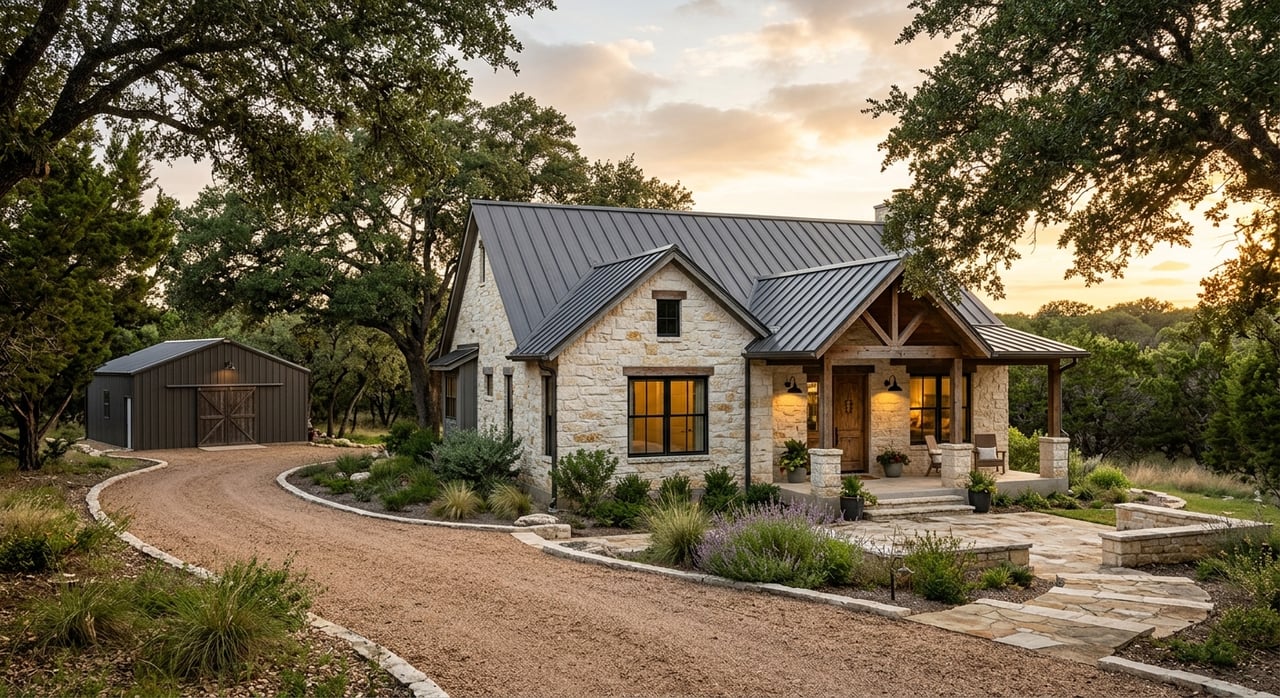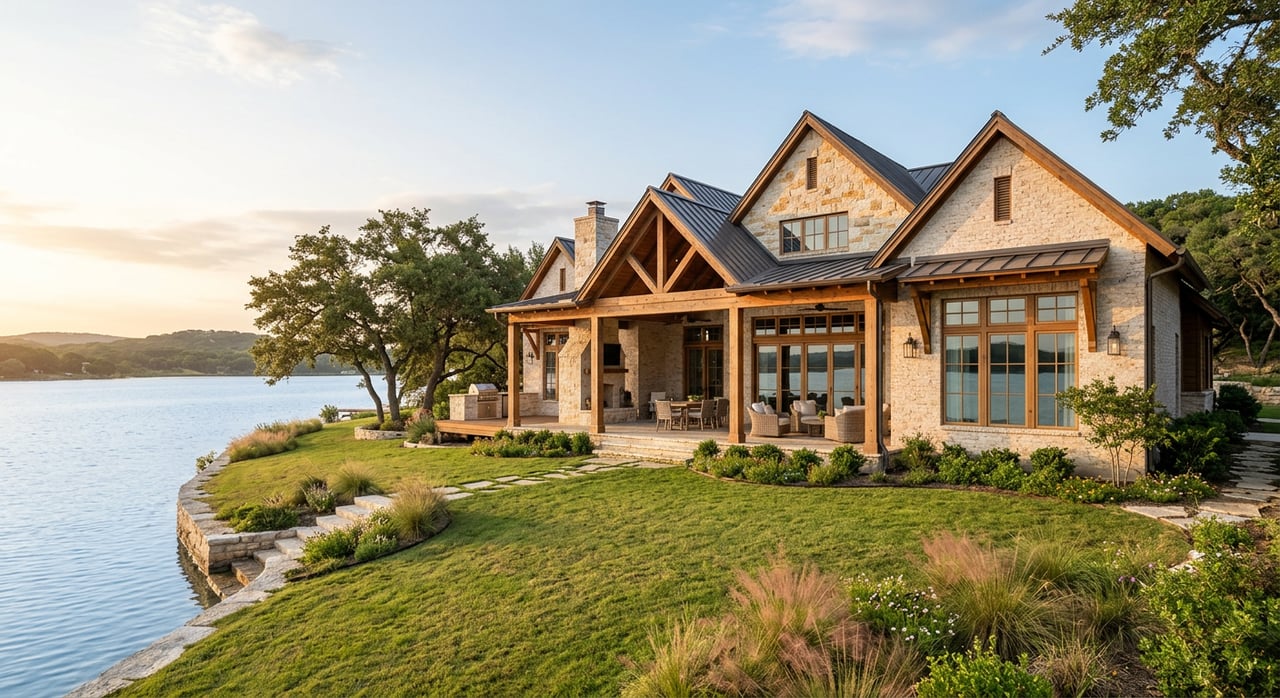
At the Aug. 25, 2026 council meeting, the Horseshoe Bay Resort Racket Club asked for a break on the building permit for its new clubhouse. Under the city's old method of charging 1% of construction cost, the fee would have been about $66,500. Council approved $9,616 plus 115% of any professional review costs, based on the square-footage formula staff had just presented. That clubhouse belongs to a $10 million racquet-sports expansion, with four dedicated padel courts, that is projected to open by summer 2027.
The same night, council adopted Ordinance 2026-08-013, which rewrote the whole building and development fee schedule. If you're holding a vacant lot in Horseshoe Bay, or about to close on one, the change moves the risk in your budget. The permit has become one of the smallest and most predictable numbers in a custom build. The costs that can still surprise you depend on what's growing on the lot and how long the project takes.
The permit is now simple arithmetic
Under the adopted schedule, a new single-family home pays a $250 review fee plus $0.75 per square foot, plus 115% of professional costs if the city brings in outside review, plus a $10 technology fee. A casita pays the same $0.75 per square foot. An accessory structure pays $150 plus $0.25 per square foot.
Since the formula is based on size, two 4,000-square-foot homes pay the same base fee whether one has standard finishes and the other has imported stone and a custom wine room. Here's the arithmetic for a few sizes, before any professional review costs:
| Home size | Review fee | Square-foot charge | Tech fee | Base permit total |
|---|---|---|---|---|
| 2,500 sq. ft. | $250 | $1,875 | $10 | $2,135 |
| 4,000 sq. ft. | $250 | $3,000 | $10 | $3,260 |
| 6,000 sq. ft. | $250 | $4,500 | $10 | $4,760 |
These totals are sample calculations from the published rates, not quotes. Other items have flat fees, each with the same $10 technology fee on top: a deck or boat dock is $450 plus any professional costs, a pool $750, a spa $250 and a reroof $250. A one- or two-family remodel pays $150 for review and $375 for the permit, plus the $10 technology fee and any professional costs. The schedule adds a catch for anyone buying a dated house to redo, though. A renovation that touches half or more of the existing area counts as new construction.
The city also changed how you pay. DailyTrib reported that permit deposits are gone. Applicants are now charged in steps as the project moves forward, and work can't continue until any balance is paid. The city tied the changes to GovWell, an online system it announced would start Oct. 5 for building permits, plan submittals, inspection scheduling and application tracking. Development Services Director John Byrum explained the goal to DailyTrib:
"By bringing these steps together in one platform, we aim to reduce delays, improve visibility into the review process, and make it easier for applicants to understand next steps."
The city keeps its GovWell help at horseshoe-bay-tx.gov/govwellhelp, and Development Services can be reached at 512-598-9959.
Pay-as-you-go means less cash tied up at the start. It also means an unpaid balance can stop a crew in the middle of a project, so who pays which city invoice, and when, belongs in your builder contract.
Trees can cost more than the permit
The same fee schedule lists tree mitigation at a 2:1 ratio and $200 per required caliper inch, with a maximum of $20,000 per lot. On the 4,000-square-foot example above, that cap is about six times the base permit.
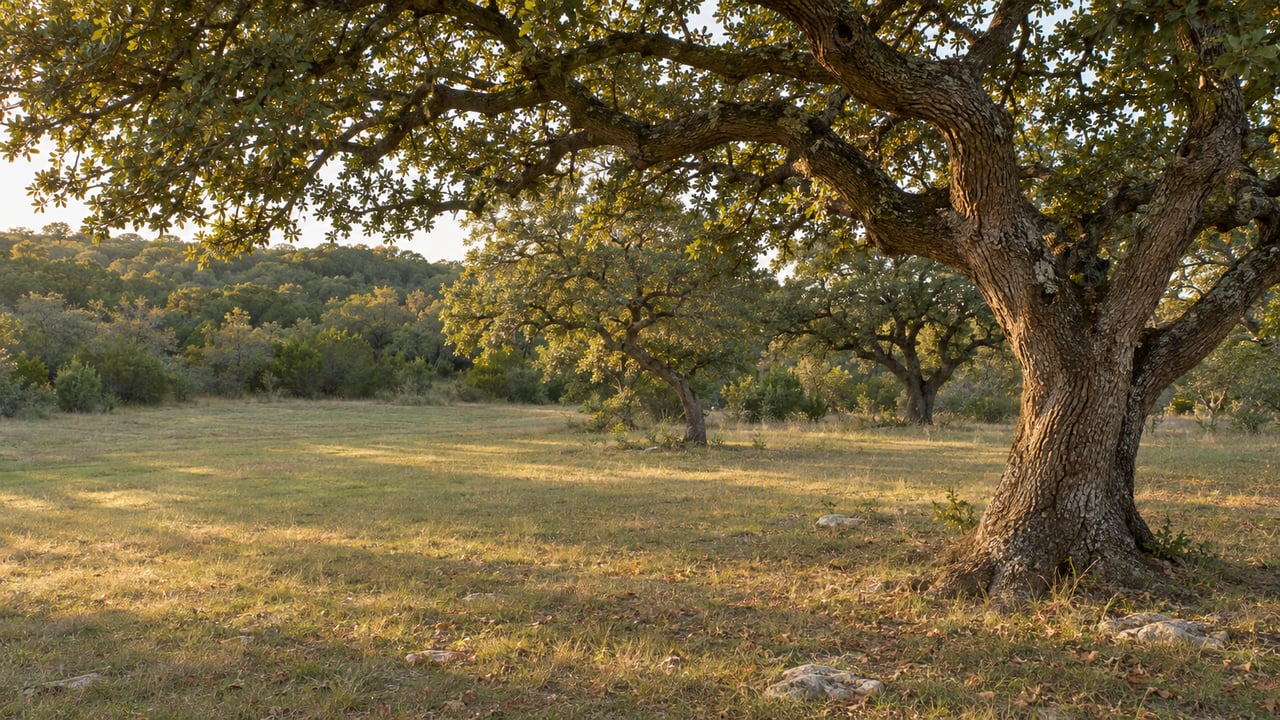
Which trees count is set by the city's tree protection article. A protected tree is a living tree with a caliper larger than 16 inches, measured 4.5 feet above natural ground. A grand tree is a native mature tree at least 24 inches in diameter at that height. For trees with several trunks, the code counts the largest trunk plus half the combined diameter of every other trunk over three inches. A big multi-trunk live oak can count as protected even if no single trunk looks that large.
The rule applies differently depending on whether the lot is developed:
- Vacant lots and undeveloped land: You need a building or construction permit before removing a protected or grand tree.
- Developed lots: No permit is needed to remove a protected or grand tree.
- Dead, dying or diseased trees: These don't need a removal permit when restoring the tree isn't practical.
So the vacant lot is the version of the property where the rules carry the most weight. Where the house sits, how wide the driveway runs and where the pool goes all decide which tagged trees stay and which come out.
The code also requires a tree survey with all construction and building plans. A registered professional surveyor has to certify it, tag each tree, list its type and size, and draw a dripline for each tree at one foot of radius per inch of diameter. The survey covers protected and grand oaks, elms, cypress, maples, pecans, sycamores and palms, and it must be done within one year of submittal to the city. If you buy a lot this winter and don't submit plans until early 2028, expect to pay for a new survey.
The code also limits what you can plant back. Texas red oak, Spanish oak, Shumard oak, southern red oak, blackjack oak and the rest of the red and black oak group can't be planted in the city because they're highly susceptible to oak wilt. Your landscape plan should start from that list.
Approvals come in a set order
The tree survey doesn't go to the city first. The Horseshoe Bay Architectural Control Committee says any construction that affects the exterior of a home, or the property it sits on, needs ACC approval before you apply for a city permit and before work begins. The committee's submission checklist adds that all maintenance fees must be current before an application is processed.
The steps run in this order:
- Assemble the ACC package. The new-home submission checklist, revised 09/2026, asks for a Burnet County 911 address form, the recorded plat, and a tree and topographical survey.
- Prepare the site and grading plans. The site plan must locate structures against the parcel lines and show setbacks, driveways, parking and easements. The grading plan must show existing and proposed contours at 5-foot intervals or tighter, with 1-foot preferred, along with finished-floor elevations, driveway slope, drainage and cut-and-fill limits. The ACC may require a sealed grading plan.
- Add the architecture and finishes. The checklist calls for impervious-surface calculations, a stamped and sealed architectural set with four elevations and a square-foot breakdown, a storyboard of exterior colors and materials, and a landscaping plan that shows the trees and vegetation you're keeping.
- Then go to the city. With ACC approval in hand, the application goes to Development Services for the permit priced by the schedule above.
The tree survey appears in step one and governs step four, so the one-year limit starts running early.
The clock has a price too
Delays have line items of their own. The first building permit extension costs $1,000, and the second costs $2,500. Under the new rules, the Development Services director decides third and fourth extension requests, and fifth and sixth extensions still go to council. Starting work without a permit costs double the required review and permit fees.
Put together, two extensions cost $3,500, more than the base permit on the 4,000-square-foot example. A build that runs long can spend more on extensions than it did on the permit.
If the plan includes renting it out
Buyers who plan to rent the finished home short-term should budget for a cost that recurs every year. The short-term rental permit fee doubled from $600 to $1,200, which DailyTrib listed among the biggest changes in the new schedule. Under the city's short-term rental ordinance, permits expire one year after issuance and must be renewed before they lapse. Applicants name a 24-hour contact who can respond to complaints within one hour and submit a floor plan showing sleeping areas. Owners need annual independent fire-extinguisher inspections and smoke alarms. Listings can't advertise occupancy above two adults per bedroom plus two more, and rentals to guests under 21 aren't allowed.
The occupancy limit is tied to bedroom count, so how many bedrooms you design shapes what you can later advertise as a rental.
Quick answers for lot buyers
Does the $0.75 rate apply to a guest casita? Yes. The schedule lists a casita, or ADU, at $250 review plus $0.75 per square foot, the same as a single-family home.
Can I clear trees before I buy, or before I have plans? On a vacant lot, removing a protected or grand tree requires a building or construction permit first.
Do planning applications and code enforcement go through GovWell too? DailyTrib reported that they were expected to move to GovWell later, after building permits.
This post is general information, not legal, tax or financial advice. Confirm your own lot, plans and rental intentions with the city, the ACC and the right professionals before you commit.
Before you write an offer on a Horseshoe Bay lot, walk it with someone who knows where the big oaks, the setbacks and the slope will land on a site plan. LandMasters Real Estate has helped buyers and builders size up Hill Country lots for five decades, and we're glad to walk this one with you. If you already own a lot and are deciding whether to build or sell, start with our Instant Home Valuation.