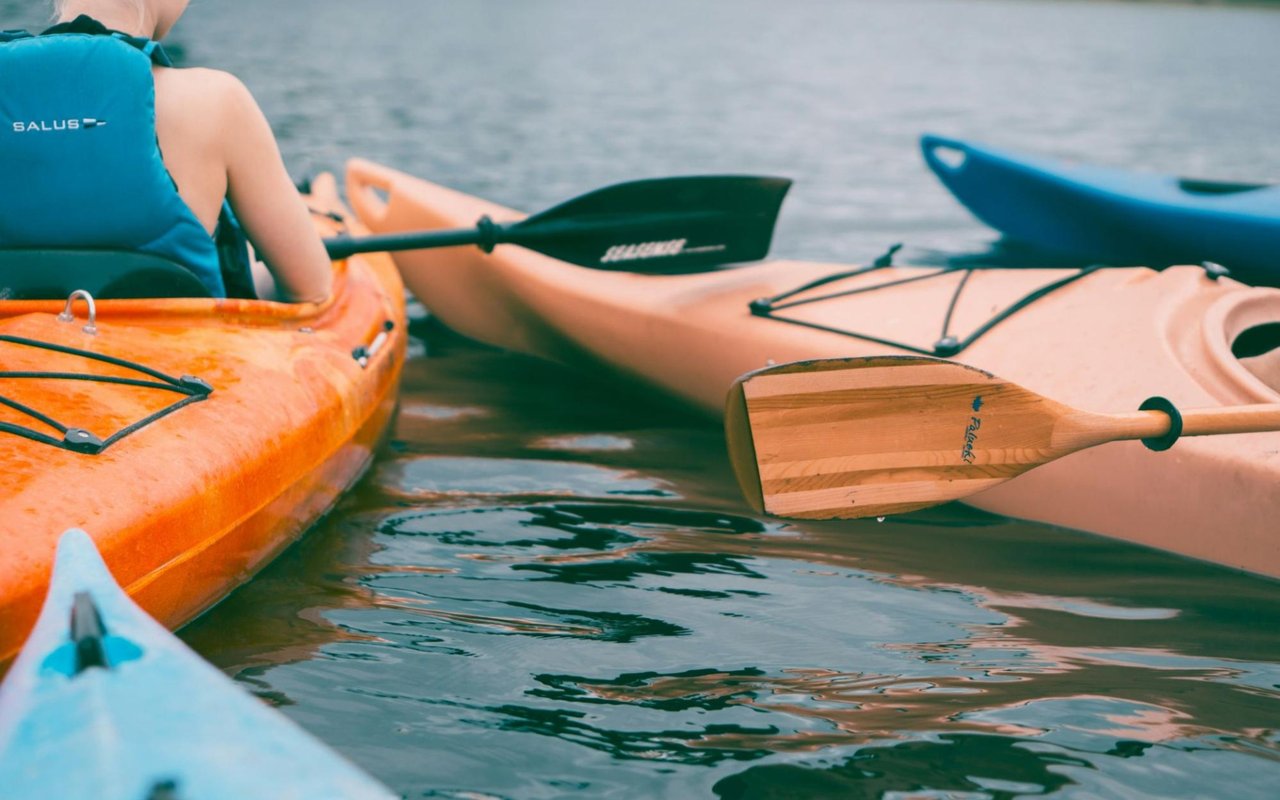
The Texas Parks and Wildlife Department's most recent public visitor count, from 2023, put Inks Lake at more than 228,000 visitors in a single year, a figure that ranked it 10th out of the state's 89 parks. Ask anyone paddling the no-wake zone on a Tuesday morning, though, and they will tell you the lake feels close to empty.
Both things are true, and the reason they can both be true is the whole story of how this place actually works.
The Main Ramp Shapes the Experience
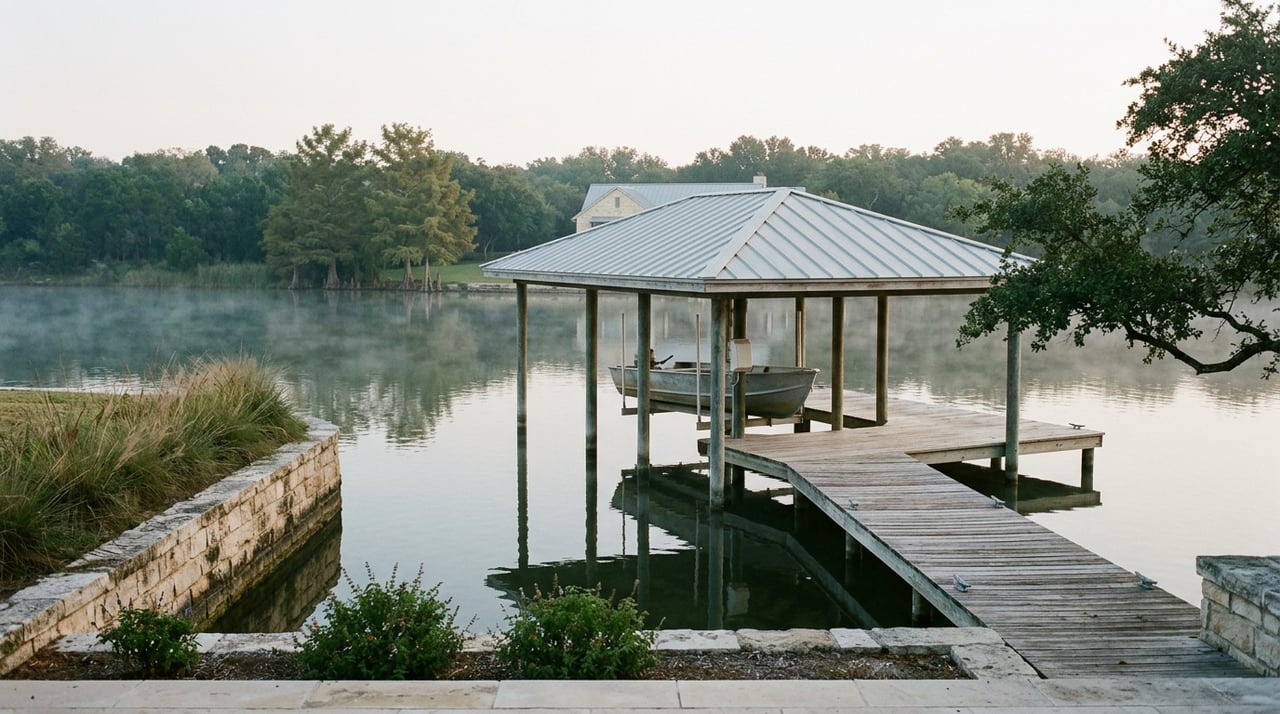
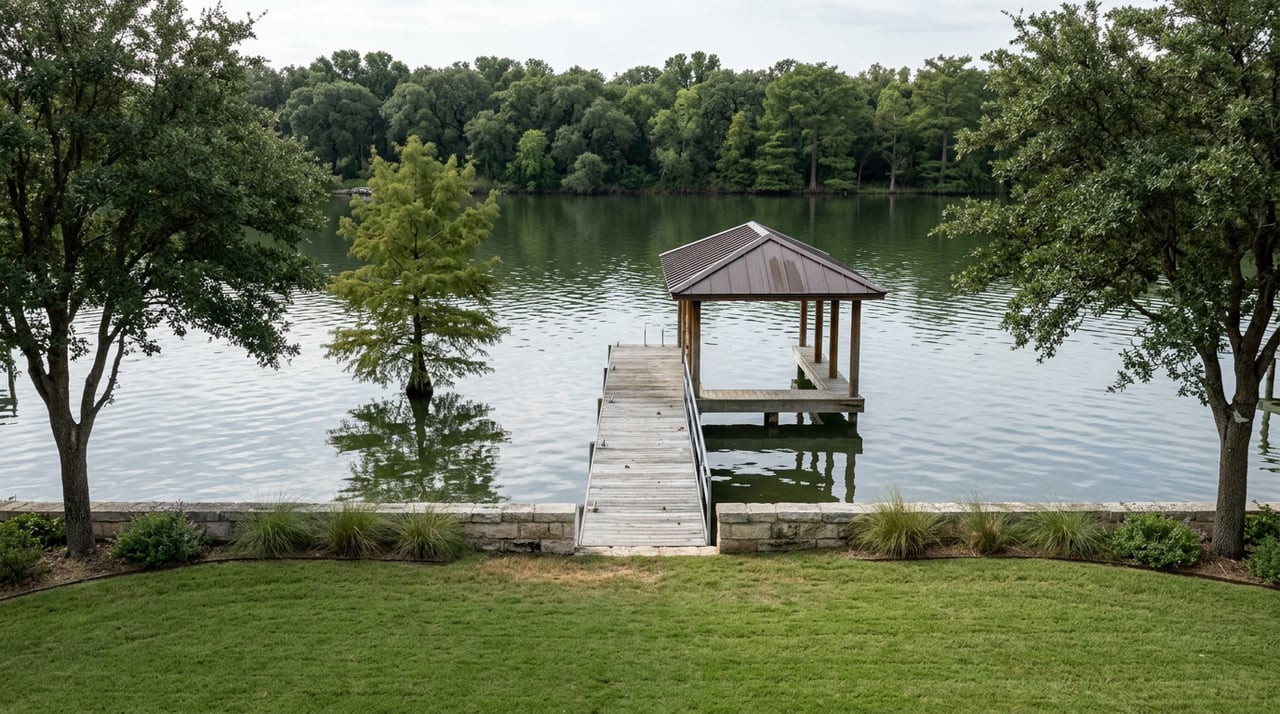
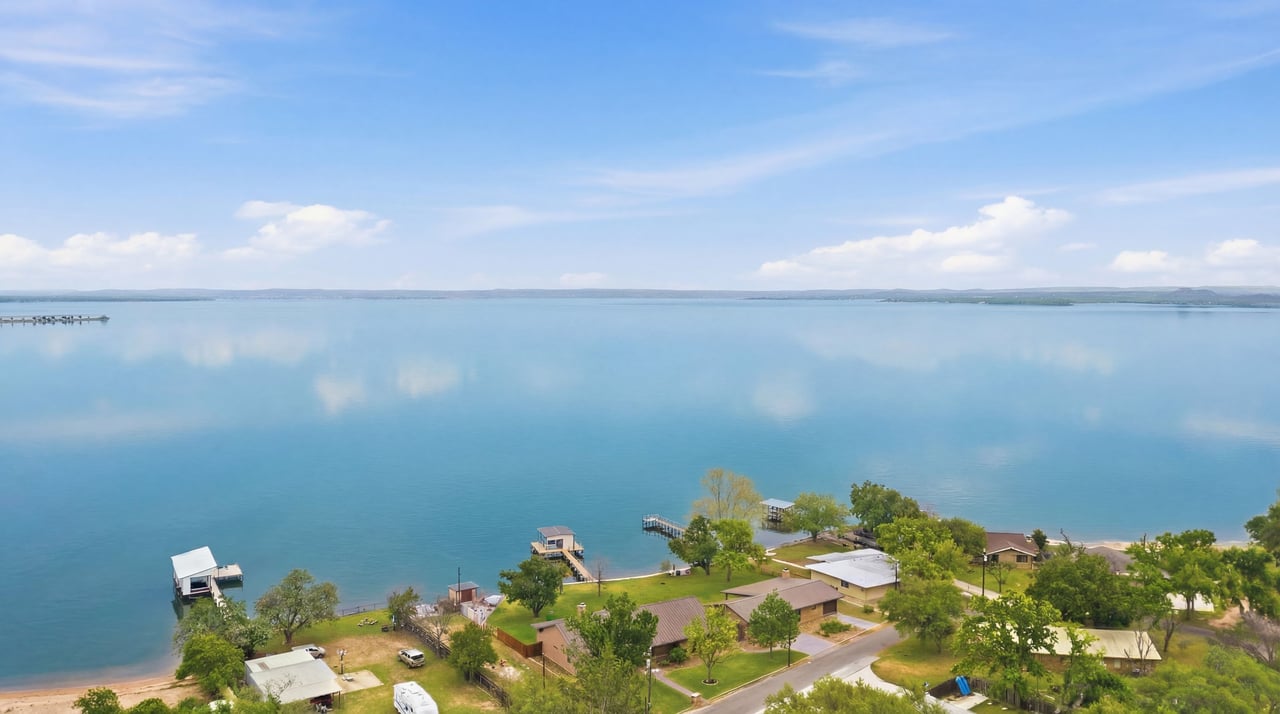
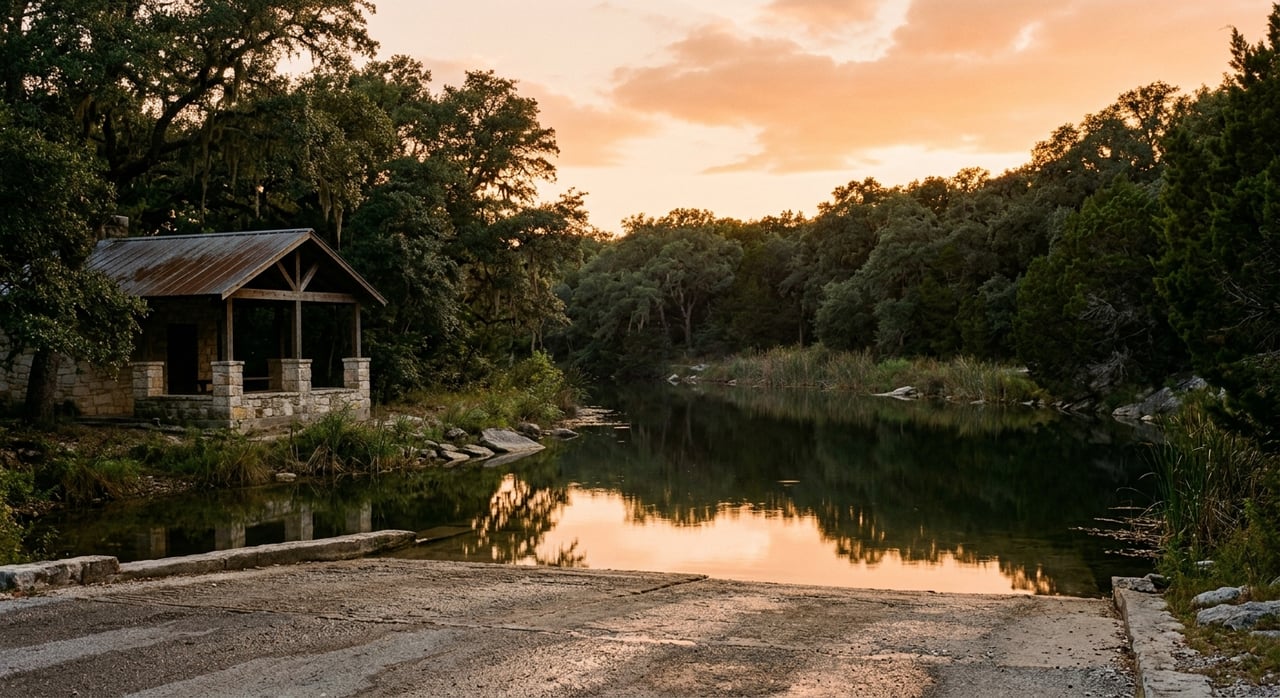
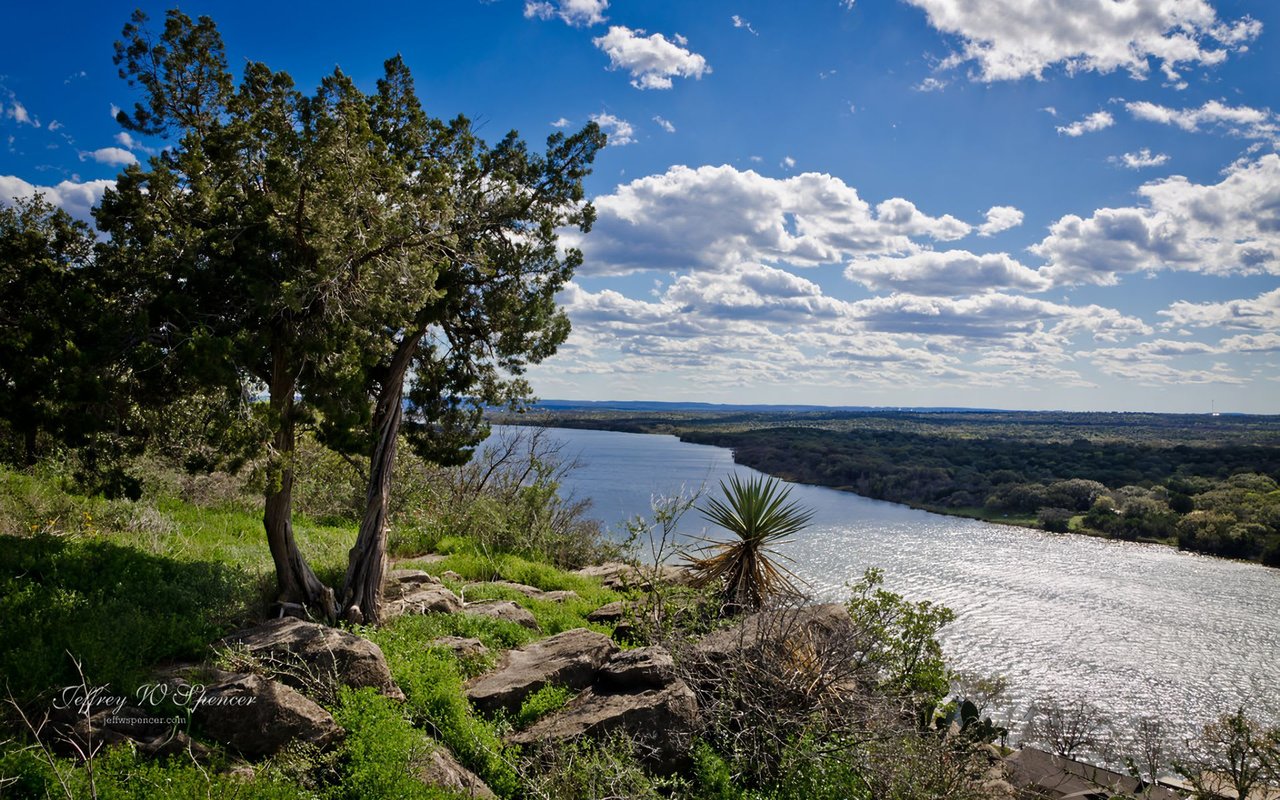
Inks Lake is small. At 831 acres and roughly 4.2 miles long, it is the smallest of the first four Highland Lakes, tucked between Lake Buchanan upstream and Lake LBJ downstream. Unlike Lake LBJ, which has boat ramps scattered across multiple communities and marinas, Inks Lake has exactly one primary public launch, and it sits inside the state park.
The park absorbs the volume. The lake surface does not. If you have ever wondered why Inks Lake never feels like Lake LBJ on a July Saturday, the contrast between land and water is the place to start.
Burnet County Park has a second, smaller ramp that functions as the local's workaround, quieter and with fewer crowds than the state park launch. A couple of private options exist too, including Devil's Cove Marina. Those alternatives do not change the basic math: access remains limited, and the main launch handles much of the public boat traffic.
The tradeoff shows up on the land side of the park, not the water. Day-use and camping reservations sell out with enough regularity that the park's own site tells visitors to book ahead if they want to guarantee entry. The lake stays open. The parking lot does not always have room for you.
What's Actually Restricted Right Now
As of late July, a burn ban has been in effect at the park. No wood or charcoal fires are allowed under the current order, which means campsite cooking has to run on containerized fuel like propane until the ban lifts. If you are planning an evening around a fire ring, plan around a propane stove instead, at least for now.
The park also posts a standing water advisory that locals learn to read like a weather forecast rather than breaking news. Algae blooms show up in the warmer months, especially in stagnant coves, and the park's guidance is simple: treat any algae you see as something to avoid, particularly if you have a dog with you. It is not a headline every time it appears. It is a recurring seasonal fact, the kind you check before you let the kids or the dog wade in rather than something that shuts the lake down.
Boaters also live with a standing zebra mussel advisory. The invasive species has established itself in the reservoir, and the rule for anyone trailering a boat elsewhere afterward is clean it, drain it, dry it, every time. It is one of those details that separates people who actually use the lake from people who are visiting once.
Where the Regulars Actually Go
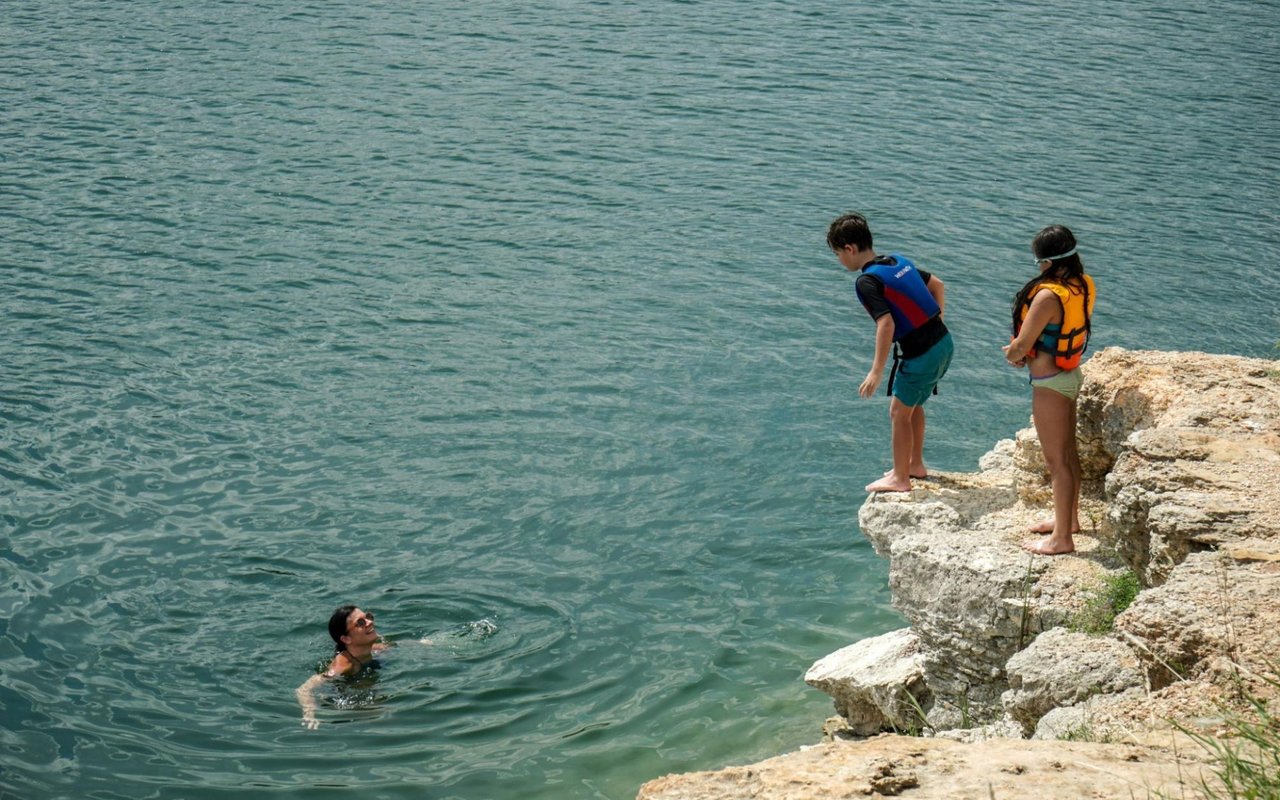
Devil's Waterhole remains the park's signature swim spot, and for good reason. The trail in is short, a flat 0.2 miles from the designated parking area, which makes it accessible without being a project. The tradeoff is that everyone knows this, so arriving before 10 a.m. in peak summer is the difference between a spot on the rocky shoreline and a long wait.
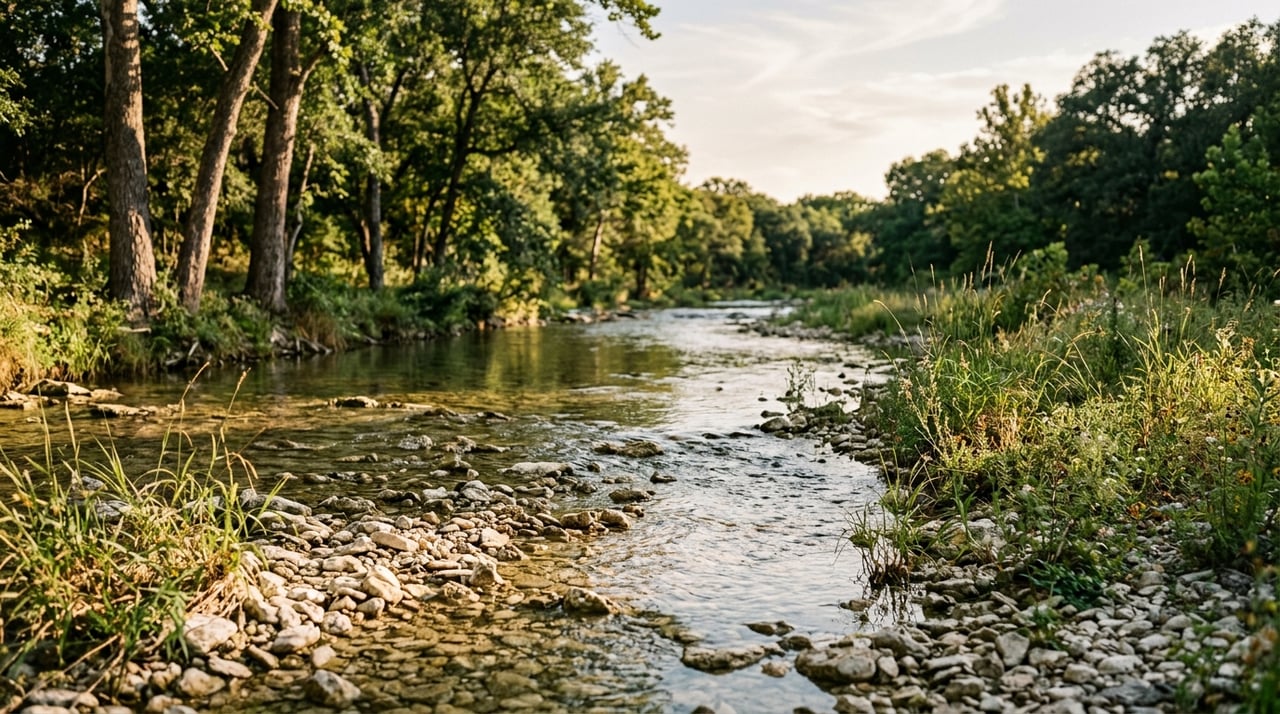
Valley Spring Creek is the quieter alternative, but it comes with a condition attached that a lot of first-time visitors miss. The scenic waterfalls upstream of the lake only show themselves when the creek is actually running. It is not a guaranteed feature. It is a seasonal one, dependent on flow, which is exactly the kind of detail that separates a local's mental map of the park from a tourist's.
The Devil's Backbone Trail, which runs along the water in the park's northern section and passes its own popular swimming hole, carries a summer caveat regulars know to plan around. Sections can get overgrown as the season progresses, and long pants are worth the discomfort given the poison ivy along parts of the brush. None of this is a reason to skip the trail. It is a reason to dress for it.
In a report by 101 Highland Lakes, TPWD operations trainee Edward Terry said: "We offer a lot of outdoor recreation that folks can't get in town." Terry pointed to the lake's constant water level, the more than nine miles of hiking trails, and ongoing work on accessibility to both the shoreline and the trail system as the specific reasons the park keeps pulling numbers that outpace parks twice its size.
After Dark, the Boat Ramp Becomes Something Else
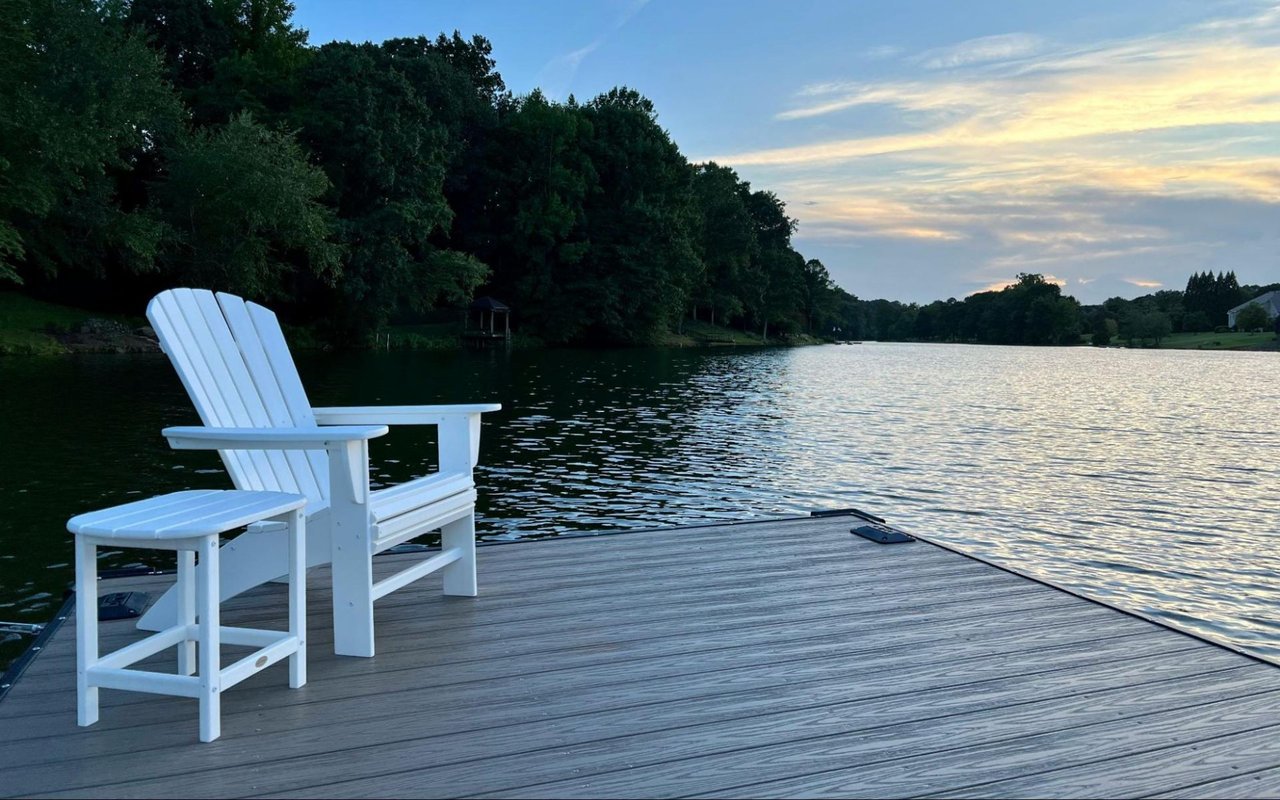
Come evening, the same launch point that handles the day's boat traffic turns into the park's informal amphitheater. The Austin Astronomical Society runs periodic star parties at the Boat Ramp, setting up high-powered telescopes for anyone who shows up with a chair and a blanket. The invitation is about as simple as it gets: bring your chairs, blankets, and binoculars for a night with the stars.
It is a small thing, but it is the kind of small thing that tells you what this community actually values after the boats come in. The same stretch of concrete that handles trailers all day becomes a gathering spot for people who came specifically for the dark sky over the water.
The Stretch Outside the Gate
Inks Lake's day-to-day rhythm does not end at the park boundary. Inside the gate, near the Park Store in the Central Park area, Kona Ice of the Hill Country sets up on weekends and most summer weekdays, selling drinks and frozen treats to a steady stream of people walking back from the water. Hours shift with the season, so it is worth checking before you plan an afternoon around it.
A short drive up Highway 29 toward Buchanan Dam puts you at Reverend Jim's Dam Pub, open from noon to midnight Sunday through Thursday and eleven to midnight on weekends. It functions as the area's low-key gathering spot, the kind of place where an annual community cookout fundraiser becomes a fixture on the calendar year after year rather than a one-time event.
For anyone who wants the practical version of all this in one place, free hiking trail maps and current local information are available at the Lake Buchanan/Inks Lake Chamber of Commerce and Visitor Center, open Monday through Saturday from 9:30 a.m. to 4:30 p.m. It is a small stop, but it saves the trouble of guessing which trail connects to which parking area.
The Real Takeaway
The number that matters here is not really the visitor count. It is the ratio between that count and Inks Lake's limited launch access that helps explain the difference. A park pulling 228,000 annual visitors would feel overrun almost anywhere else on the Highland Lakes chain. At Inks Lake, the geometry of one main ramp, a handful of quieter alternatives, and a lake small enough to fill up on land before it fills up on water keeps the actual experience of being here closer to what it looked like a decade ago than the visitor numbers would suggest.
That is not a coincidence. It is what happens when a small reservoir routes much of its public boat traffic through the main launch while other access options remain limited. For now, the mechanism holds. The park gets busy. The water mostly doesn't.
If you are curious what living inside that mechanism actually looks like day to day, from lake access to the small businesses that keep this stretch of Burnet County running, LandMasters Real Estate knows this shoreline the way locals do, one launch point, one trail, one season at a time. Reach out anytime to talk through what you're seeing on your side of the lake.
This article is general information, not legal, tax or financial advice. Consult a qualified professional about your situation.